Best Online Homeschool Programs in Australia (and How to Choose What Actually Works)
What does ‘best’ even mean?
If you’ve been searching for the best online homeschool programs in Australia, you’ve probably noticed how many options there are, and how different they all feel.
Some offer full curriculum packages.
Some are structured online platforms.
Others provide printable units or subject-based resources.
And somewhere in the middle of all that, it can be hard to work out:
What actually counts as a “program”
What will meet registration requirements
And what your child will realistically engage with day to day
Because “best” doesn’t just mean most comprehensive, especially in a homeschool setting.
What works for you?
For many families, the biggest challenges aren’t about coverage. They’re about:
keeping their child interested
reducing the daily workload
finding something flexible enough to adapt to real life
and supporting learners who don’t thrive in rigid or screen-heavy systems
So instead of asking “Which program is best?”, it can be more helpful to ask:
What kind of homeschool program will actually work for your child, and for you?
What “Online Homeschool Program” Really Means
In Australia, there’s no single model of homeschooling, and “online program” can mean a few very different things.
Some families choose structured, all-in-one curriculum providers that map out each subject in detail.
Others use online learning platforms or virtual schools, where lessons are delivered digitally and progress is tracked through the system.
And many families take a more flexible approach, combining different resources, or using project-based learning to explore multiple subjects through a single, meaningful idea.
All of these can meet homeschool requirements. But they offer very different experiences.
Some are highly structured and prescriptive.
Some rely heavily on screens.
Some are designed to be picked up, adapted, and used in a way that fits your child’s pace and interests.
The right fit depends less on the program itself, and more on how your child learns, and how you want your homeschool to feel.
A Quick Note Before We Compare Options
This guide isn’t about ranking programs from “best” to “worst”.
Instead, it’s here to help you understand:
the different types of homeschool programs available in Australia
the strengths and limitations of each
and how to choose an approach that works in your home, not just on paper
Because the most effective homeschool program isn’t necessarily the most structured or the most comprehensive.
It’s the one your child will actually engage with, and the one you can realistically sustain.
Types of Homeschool Programs in Australia
When people search for online homeschool programs in Australia, they’re often looking for a single, complete solution.
But in practice, most families end up choosing (or combining) from a few different types of programs, each with its own strengths and trade-offs.
Understanding these can make it much easier to find something that actually works in your home.
Structured Curriculum Providers
These programs offer a full, pre-planned curriculum across subjects like English, maths, science, and humanities.
They’re often designed to be followed in sequence, with lessons, worksheets, and assessments already mapped out.
Best for:
families who want clear structure and progression
those who prefer a “school-like” approach at home
What works well:
takes the guesswork out of planning
makes it easier to demonstrate coverage for registration
provides a clear sense of progress
Things to consider:
can feel rigid or hard to adapt
may rely heavily on written work or worksheets
not always engaging for learners who prefer hands-on or creative approaches
A well-known example of this type of curriculum provider is Euka.
Online Learning Platforms & Virtual Schools
These programs deliver lessons through a digital platform, sometimes with videos, quizzes, and progress tracking built in.
Some operate like full online schools, while others supplement homeschool learning.
Best for:
families who want guided, screen-based instruction
learners who enjoy interactive or tech-based learning
What works well:
minimal planning required
built-in tracking and reporting
easy to follow day-to-day
Things to consider:
can be very screen-heavy
limited flexibility in how content is explored
may not suit learners who need movement, variation, or creative expression
Printable & Unit-Based Programs
These programs provide themed units or subject-based resources that can be printed or used digitally.
They’re often more flexible than full curriculum programs and can be used selectively.
This might include downloadable unit studies, themed project packs, or printable curriculum resources available through independent providers and homeschool creators.
Best for:
families who want some structure without committing to a full program
those who like to mix and match resources
What works well:
flexible and easy to adapt
can be used alongside other programs
often lower cost than full curriculum packages
Things to consider:
still requires planning and organisation
can become worksheet-heavy depending on the resource
may feel fragmented without a clear overall approach
Project-Based & Interest-Led Programs
This approach uses extended projects to explore multiple learning areas at once - for example, designing something, investigating a topic, or creating an artefact over time.
Rather than separating subjects, learning is integrated and often driven by curiosity, creativity, or real-world ideas.
Some Australian providers (including smaller, independent creators) focus on this kind of project-based approach, offering structured but flexible projects that can be adapted to each learner.
Best for:
learners who struggle with traditional or worksheet-based approaches
families who want flexible, low-pressure learning
children who engage more deeply with hands-on, meaningful tasks
What works well:
encourages deep thinking and sustained engagement
naturally integrates multiple subject areas
adaptable to different energy levels, interests, and needs
Things to consider:
looks different from traditional “school”
may require a mindset shift around what learning evidence looks like
works best when supported with clear guidance (rather than completely open-ended)
At-a-Glance Comparison
What to Look for in a Homeschool Program
Once you understand the different types of homeschool programs available, the next step is working out what will actually fit your child and your day-to-day life.
Because the right program isn’t just about what it includes. It’s about how it feels to use, week after week.
Here are a few things worth paying attention to as you choose.
Does it reduce, or increase, your workload?
Some programs look comprehensive, but rely heavily on you to:
prepare materials
explain concepts
adapt lessons
keep everything moving
Others are easier to pick up and use, with built-in guidance that supports your learner without requiring constant input.
There’s no right or wrong here, but it’s worth being honest about what you realistically have capacity for.
A program that looks “complete” can quickly become overwhelming if it adds to your daily load.
Can your learner engage with it consistently?
Engagement isn’t about excitement every day, it’s about whether your learner can:
start without resistance
stay with the task long enough to think
return to it again the next day
Some learners thrive with clear structure and routine. Others need variation, creativity, or a sense of ownership to stay engaged.
If a program relies heavily on one mode (e.g. reading + writing, or screen-based tasks), it may not suit every learner long term.
How flexible is it in real life?
Homeschooling rarely runs exactly to plan.
Energy levels shift. Interests change. Some weeks are full, others slower.
A program that works well in practice is one that can:
pause without penalty
stretch or compress depending on the week
adapt to your learner’s pace
Rigid, day-by-day programs can be helpful, but they can also create pressure when life doesn’t line up neatly.
What does “learning evidence” look like?
This is a big one for Australian families.
Many parents feel pressure to produce:
worksheets
written answers
formal assessments
But learning can be shown in many different ways:
drawings, diagrams, or models
conversations and explanations
photos of projects or builds
short reflections or notes
The key question is whether the program supports meaningful evidence of learning, not just paper-based output.
Does it allow your learner to think, not just complete tasks?
Some programs focus on:
getting through content
completing activities
producing finished work
Others prioritise:
curiosity
problem-solving
making connections over time
Both have value, but if your goal is deeper learning, it’s worth looking for programs that leave space for thinking, not just doing.
Can you sustain it over time?
This is the question that matters most.
Not:
“Does this look good?”
But:
“Will we still be using this in 6 weeks?”
A program that works is one that:
fits your rhythm
feels manageable
supports your learner without constant friction
If it’s too rigid, too time-consuming, or too disconnected from your child’s interests, it’s unlikely to last, no matter how well-designed it is.
A Simple Way to Narrow It Down
If you’re feeling unsure, it can help to start with two questions:
Does this approach suit how my child naturally learns?
Does this feel manageable for me to support consistently?
If the answer to both is yes, you’re likely on the right track.
If You’re Looking for a Place to Start
If you’re feeling unsure which homeschool program to choose, starting small can make a big difference.
You don’t need to commit to a full curriculum straight away. Sometimes it’s more helpful to try an approach and see how your learner responds.
Start with a project-based approach (without the pressure)
If the idea of flexible, integrated learning appeals to you, a simple way to begin is with a short project-based experience.
These projects are designed to explore multiple learning areas through a single idea, without separating everything into subjects or requiring a rigid schedule.
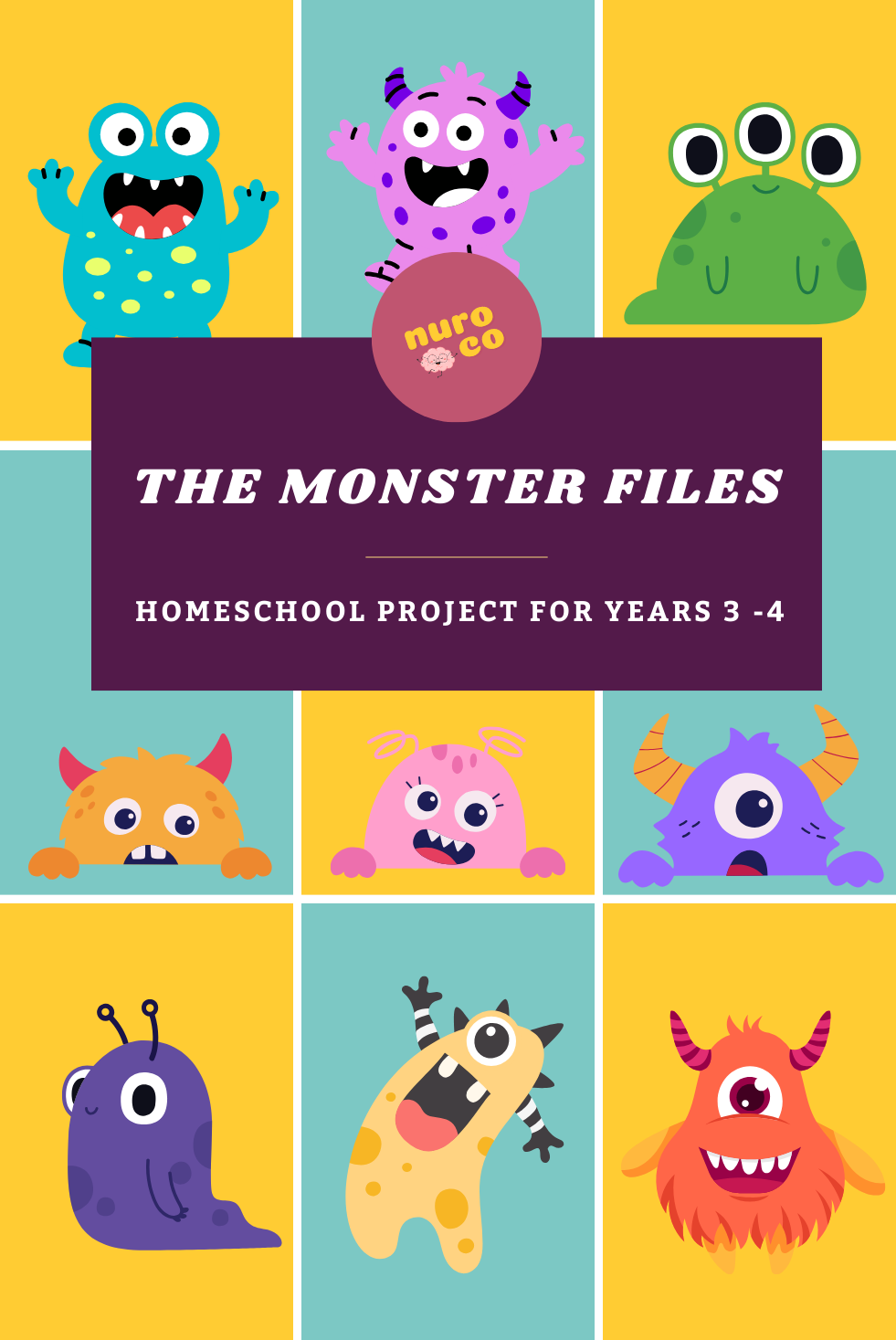
If your learner is in Years 3–4 (Stage 2), you might begin with a short, flexible project like The Monster Files.
This free four-week mini project invites your learner to take on the role of a “Monster Researcher,” exploring ideas about features, habitats, and survival through drawing, thinking, and simple note-making.
If your learner is in Years 5–6 (Stage 3), a project like Zine Zone offers a similar low-pressure starting point.
In this free mini project, learners create their own small, self-published booklet - exploring ideas, interests, and identity through writing, drawing, and design.
Both projects are designed to be:
easy to begin
flexible to adapt
and open-ended enough to follow your learner’s interests
There’s no expectation to complete everything, and no pressure to produce polished work.
Instead, they give you a way to notice:
how your learner engages
what kinds of tasks they enjoy
and what kind of structure (or flexibility) works best
If your learner enjoys this approach
If a project like this feels like a good fit, you can then explore longer project-based programs that build on the same ideas.
The mini projects are designed as complete, structured experiences, just in a shorter, more contained format.
Longer projects don’t replace that structure. They simply give learners more time to:
follow ideas further
revisit and refine their thinking
and develop their work over multiple weeks
The approach stays the same:
flexible
engaging
and manageable
just with more space to go deeper.
You don’t have to choose just one approach
Many families combine different types of homeschool programs.
You might use:
a structured maths program
alongside a project-based approach for integrated learning
and bring in other resources as needed
There’s no single “correct” setup.
A final note
If you’ve been searching for the “best” homeschool program, it’s easy to feel like you need to find the perfect option before you begin.
But in practice, the most useful starting point is often:
something flexible
something manageable
and something your learner is willing to engage with
From there, you can adjust, expand, and build something that works for your family.
Frequently Asked Questions
-
No, you don’t need to follow a single, all-in-one curriculum.
Australian homeschool registration requirements vary by state, but in general, families are expected to:
show that learning is happening
demonstrate progress over time
and cover key learning areas
This can be done using a mix of approaches, including structured programs, individual resources, and project-based learning.
Many families combine different types of programs rather than relying on just one.
-
No, homeschooling doesn’t need to be delivered through an online platform.
Some families choose online programs because they offer structure and ease of use. Others prefer offline, hands-on, or flexible approaches.
What matters is not whether a program is “online,” but whether it:
supports your child’s learning
can be adapted to your context
and helps you demonstrate learning over time
-
Yes, project-based learning can absolutely form a core part of a homeschool program.
Projects can cover multiple learning areas at once, including:
English (writing, communication)
Maths (measuring, data, problem-solving)
Science (investigation, systems, observation)
Humanities and creative subjects
The key is documenting what your learner is doing and how their thinking is developing over time.
Many families use project-based learning alongside other resources (like a maths program) to create a balanced approach.
-
Learning evidence doesn’t have to mean worksheets or formal tests.
You might document learning through:
photos of projects or creations
short written reflections
conversations or verbal explanations
drawings, diagrams, or models
A few meaningful examples over time are usually more valuable than large amounts of repetitive work.
-
Yes, and most families do.
You might combine:
a structured maths program
a project-based approach for integrated learning
and additional resources depending on your child’s interests
There’s no requirement to stick to a single program, and flexibility is often what makes homeschooling sustainable.
-
This is very common, and it’s okay to change direction.
Homeschooling allows you to adjust as you go.
If something isn’t working, it doesn’t mean you’ve chosen “wrong.” It just means you’ve learned more about what your child needs.
Starting with smaller, flexible programs can make this process easier, as there’s less pressure to commit long-term.
-
Project-based learning can look quite different from traditional lessons, but at its core, it usually involves exploring a single idea over time and creating something meaningful along the way.
For example, a project might involve:
designing and testing an idea (like a game, system, or solution)
creating something to share (like a zine, model, or plan)
investigating how something works in the real world
combining multiple subjects through one central concept
In practice, this might look like:
creating a self-published booklet based on personal interests
designing a theme park or planning a small community
exploring how materials can be reused or redesigned
investigating how living things survive in different environments
Each project brings together different learning areas - such as writing, maths, science, and design - in a way that feels connected and purposeful.
If you’d like to explore more examples, you can browse the full collection of projects to see the range of topics and approaches available.
-
Project-based homeschool programs are often designed around broad stages rather than strict age limits.
For example:
Stage 2 (Years 3–4)
Stage 3 (Years 5–6)
Within that, activities can usually be adapted depending on your learner’s needs, interests, and pace.
-
If you’re unsure where to begin, starting with a short, flexible project can be a helpful first step.
For learners in Years 3–4 (Stage 2), you might begin with The Monster Files - a free four-week mini project that introduces project-based learning through creative, low-pressure exploration.
For learners in Years 5–6 (Stage 3), Zine Zone offers a similar starting point, inviting learners to create their own small, self-published booklet based on their interests.
Both are designed as complete, structured mini projects - just in a shorter format - so you can try the approach without needing to commit to a full program.
From there, if it feels like a good fit, you can move into longer projects that build on the same ideas with more time for depth and development.