
The Art of Memory Collecting by Martina Calvi
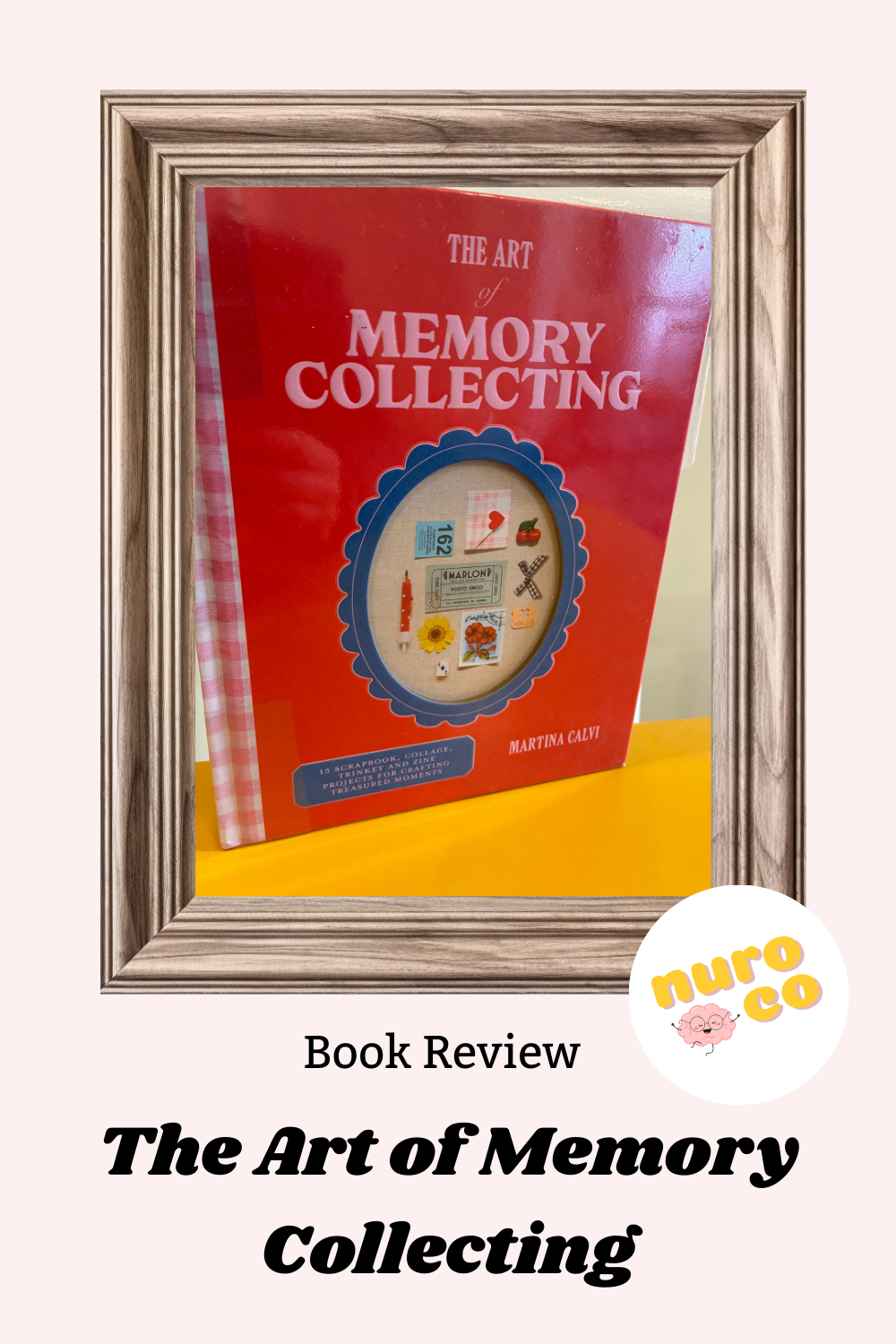
Review for Homeschoolers
If you’re looking for a creative, low-pressure way to support writing, art, or journaling at home, The Art of Memory Collecting by Martina Calvi is a beautiful place to start.
This isn’t a step-by-step workbook or a “follow these instructions” kind of book.
Instead, it offers something much more useful for many homeschoolers - especially those who resist structured tasks.
It shows learners how to notice, collect, and express small moments in ways that feel personal and manageable.
What is The Art of Memory Collecting about?
The book explores different ways to capture memories using:
drawing
collage
lists and fragments
textures and found objects
colour and simple visual layouts
There’s no expectation to do things “properly” or finish polished pieces.
Instead, it gently encourages experimentation - trying an idea, leaving it, coming back later, or changing direction completely.
For many learners, that shift alone can make creative work feel possible again.
Why it works so well for homeschoolers
One of the most valuable things about this book is how it reduces pressure.
Calvi includes simple ways to:
start without overthinking
work in small, manageable pieces
let ideas stay unfinished
use whatever materials are available
This can be especially helpful for neurodivergent learners, or any child who feels stuck when faced with open-ended creative tasks.
It gives just enough structure to begin, without taking away ownership.
Some families find it helpful to pair books like this with a simple project, so ideas have somewhere to go.
How you could use this in your homeschool
This book fits naturally into project-based learning, especially if your learner enjoys creating, collecting, or working visually.
You might use it to:
support journaling without requiring full sentences
explore personal storytelling through images and fragments
create small “memory pages” instead of longer written pieces
encourage observation during walks or everyday moments
It works particularly well alongside projects where learners are already gathering ideas or noticing details.
For many families, books like this become a gentle starting point, something to dip into, revisit, and use as inspiration over time.
If your learner enjoys this kind of creative, low-pressure approach, you might then extend it into a longer project.
For example:
If they enjoy collecting ideas and turning them into small pages or booklets, Zine Zone offers a structured but flexible way to keep going
If they start exploring personal stories, identity, or interests through their pages, The Rainbow Project supports that kind of reflective, expressive work
If they’re drawn to observing small details in the natural world, Nature’s Designers builds on that through drawing, noticing patterns, and gentle investigation
What kind of learner will enjoy this most?
This book tends to resonate with learners who:
enjoy drawing, collecting, or making
prefer visual expression over long writing tasks
feel overwhelmed by “blank page” expectations
like working in short bursts rather than long sessions
If your learner shuts down around traditional writing but still has lots of ideas, this can be a gentle way back in.
A quiet, flexible resource
The Art of Memory Collecting isn’t trying to teach everything.
It simply offers ideas and permission to notice small things, to make something incomplete, and to tell a story in your own way.
If that’s the kind of learning you’re aiming for, it’s well worth borrowing from your library.
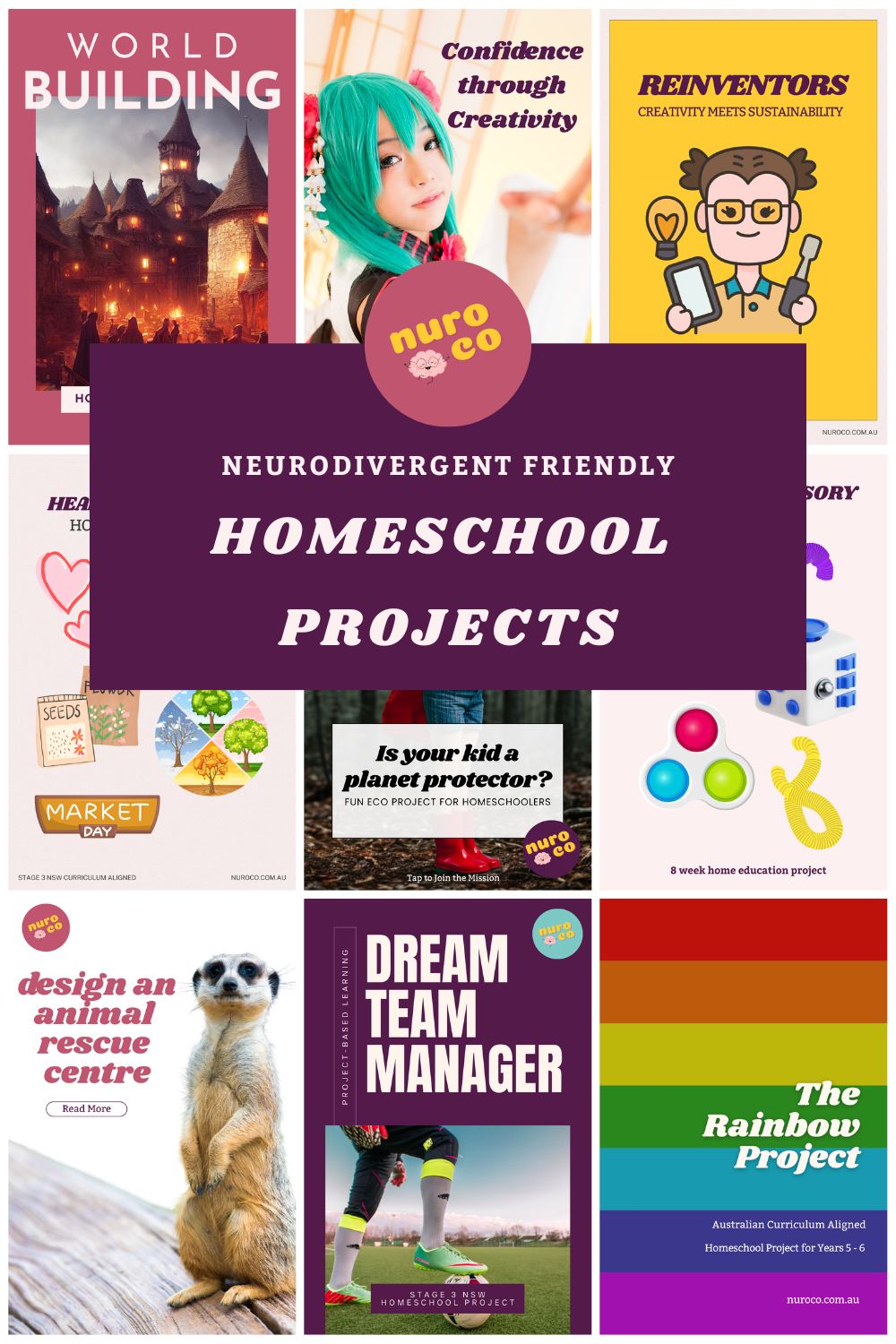
Looking for projects that build on this?
If this kind of creative, low-pressure learning appeals, you might also like:
Zine Zone– for learners who want to create and share ideas through small, self-made booklets
The Rainbow Project – for learners who enjoy exploring personal stories and identity.
Nature’s Designers – for learners who are curious about how living things are designed, and want to explore nature through drawing, noticing, and gentle investigation
All three projects are designed to work in the same flexible way — with no busywork, and no pressure to produce a perfect final product.
