From Zines to Animal Rescue: How Creative Projects Teach Real-World Skills

Homeschooling doesn’t have to look like worksheets and ticking boxes.
In fact, some of the most powerful learning happens when kids throw themselves into creative projects - the kind that feel fun, meaningful, and deeply connected to their interests.
At nuro co, we know that projects like Zine Zone and Animal Rescue Centre do more than cover academic outcomes. They give kids the chance to practise skills they’ll use for the rest of their lives. From communication and problem-solving to leadership and creativity, these projects are mini-rehearsals for the real world.
Get started today with Zine Zone - for free!
Communication in Action
When kids create a zine, they’re not just scribbling in a notebook. They’re learning how to write clearly, edit their work, and design for an audience. Every page is a decision about what message they want to share and how to make it engaging.
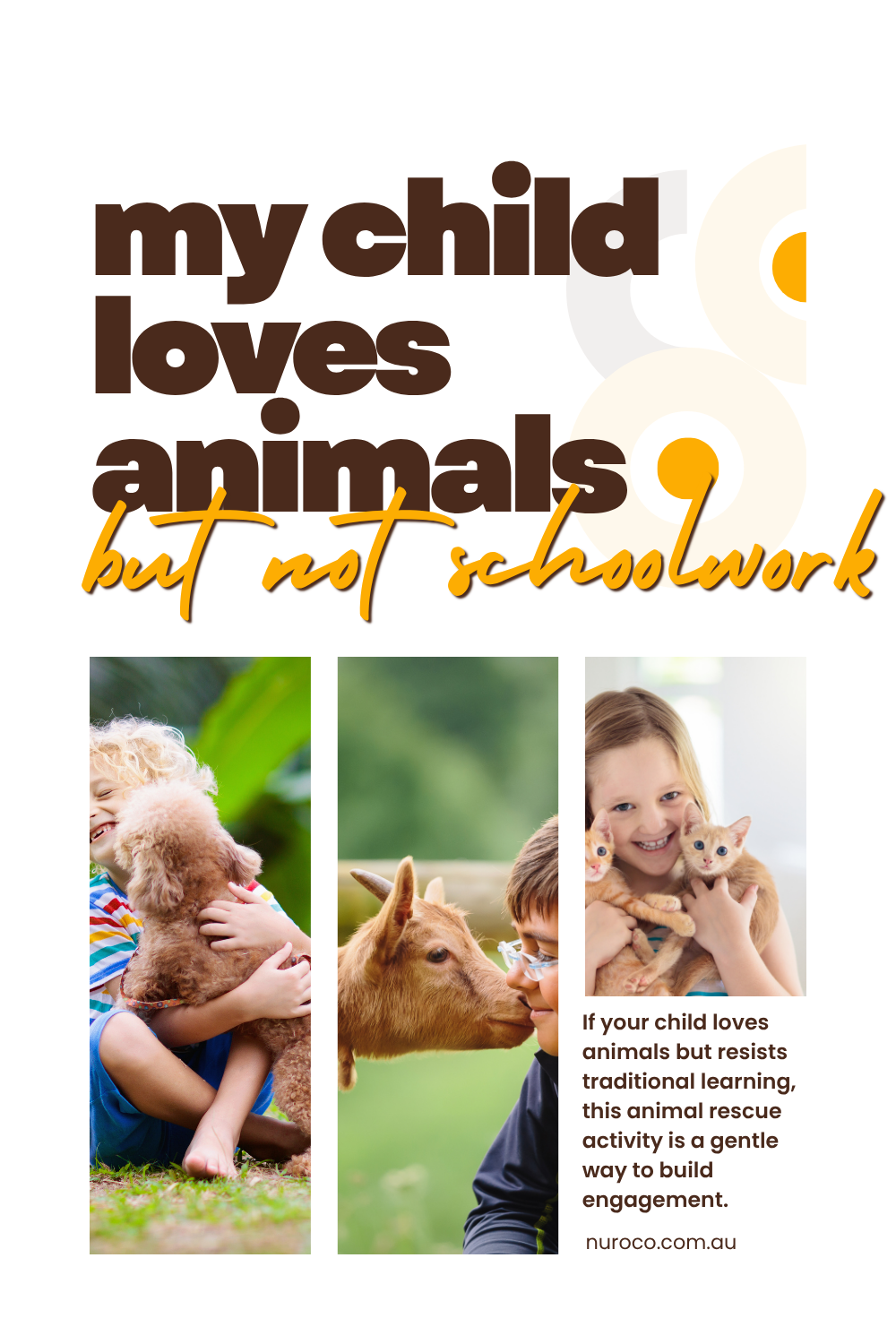
In the Animal Rescue Centre project, communication shows up in different ways. Learners design posters to recruit volunteers, write animal care instructions, or prepare short presentations for their ‘team’. These tasks all reinforce the same lesson: good communication is about making sure others understand your ideas.
Problem-Solving and Critical Thinking
Projects naturally invite kids to tackle challenges. In zines, they decide which content deserves space, how to balance words and images, and how to make a layout both creative and readable.
Animal Rescue brings in a different kind of problem-solving: how do you design safe enclosures? What do you do if two animals have competing needs? How can you run a rescue centre with limited resources? These scenarios spark the kind of flexible thinking that adults use every day at work and in community life.
Collaboration and Leadership
Even in homeschool settings, projects create opportunities to share and collaborate. A child might hand their zine to a sibling or friend for feedback. They might proudly present their final booklet to grandparents or local groups. Sharing builds confidence and shows that their voice matters.
The Animal Rescue Centre project takes it further by asking learners to ‘train’ volunteers or involve their local community. Here, kids step into leadership roles - guiding others, making decisions, and learning that leadership isn’t about titles, but about helping people work together toward a common goal.
Research and Information Literacy
A good zine often starts with curiosity. Learners might research an animal, a special interest, or an issue they care about. In doing so, they practise filtering information, spotting reliable sources, and sometimes even conducting interviews.
Animal Rescue projects encourage kids to explore scientific resources about habitats, diets, and welfare. They learn to ask questions like: where does this information come from? Is it trustworthy? These skills are invaluable in an age where information is everywhere but not always accurate.
Organisation and Time Management
Large projects can feel overwhelming, but they’re an excellent way for kids to learn how to break a big task into smaller steps. A zine might start with brainstorming, then drafting, editing, and finally publishing. Each stage builds towards the finished product.
The Animal Rescue Centre project is structured week by week, starting with designing enclosures, moving through volunteer training, and ending with community action. By the end, kids have experienced what it’s like to see a long-term plan through to completion.
Practical and Creative Skills
Along the way, learners build a toolkit of practical skills. Zines involve writing, drawing, collage, and digital design. Animal Rescue incorporates STEM skills like measuring, classifying, recording data, and even model-making.
What ties them together is creativity. Whether a child is sketching a comic strip for their zine or inventing a system for feeding animals, they’re learning that creative thinking is a powerful problem-solving tool.
Real-World Relevance
The beauty of creative projects is how easily they connect to real life. Making a zine echoes the world of publishing, journalism or graphic design. Running a rescue centre echoes careers in science, conservation, or community education.
These projects help kids see that their passions aren’t just hobbies - they can be stepping stones toward future pathways. Projects let them try on different roles, experiment, and imagine themselves in the wider world.
Try a Free Project
Creative projects aren’t just extras or ways to fill time. They are education. They give learners the chance to practise communication, critical thinking, leadership, research, organisation, and creativity - all in a context that feels meaningful and exciting.
If you’d like to see this in action, try our free Zine Zone mini project, or dive into the full Animal Rescue Centre project. Both are designed to give your child more than content knowledge - they’re built to nurture the skills that matter most in life.
And stay tuned - upcoming projects like Cosplay Quest, Planet Protectors, and Game Makers continue this approach, helping kids learn by creating, exploring, and doing.