
Organised & Stress-Free: Setting Up a System for Your Projects
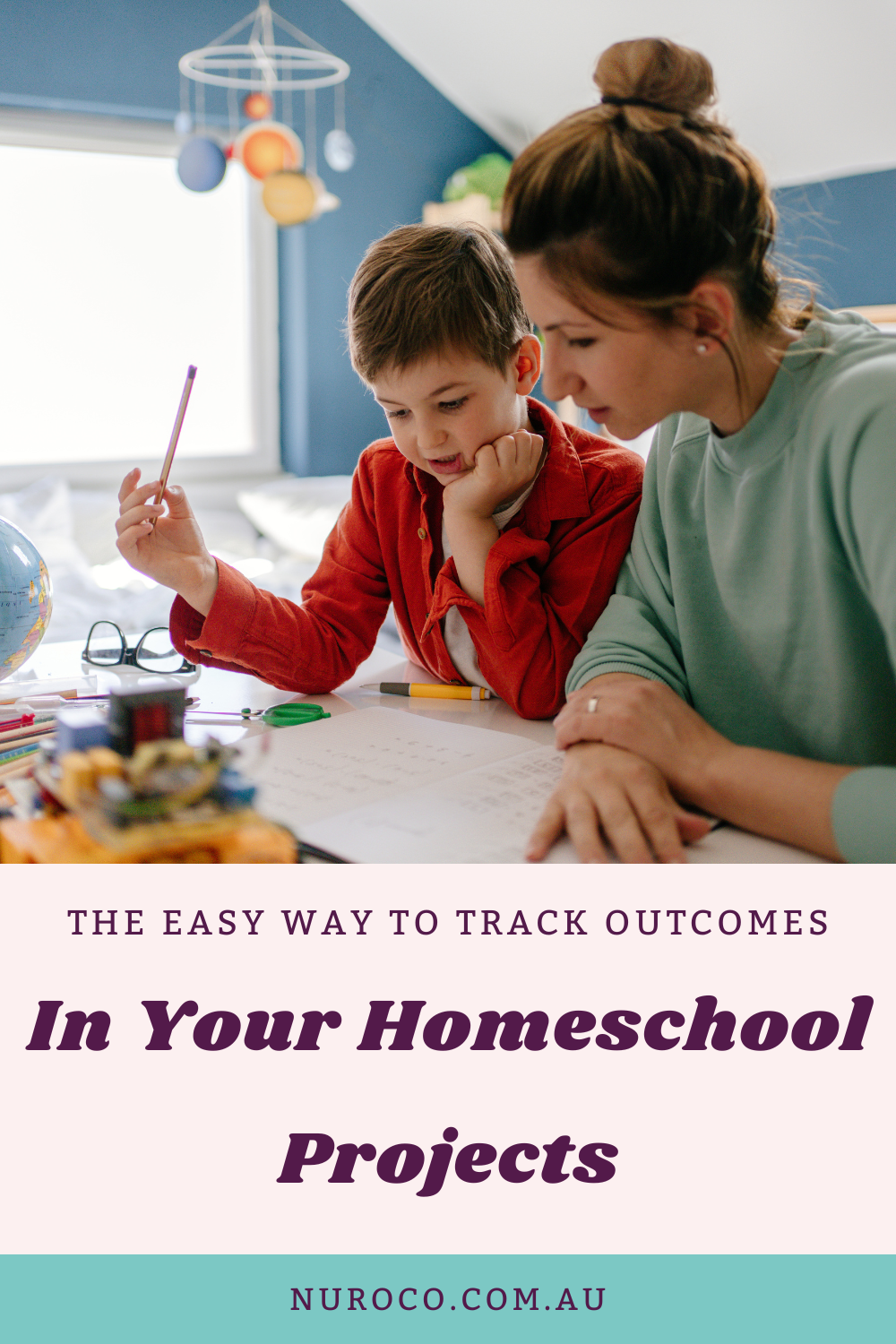
Homeschool projects are exciting.
Your child is diving into something creative, building real-world skills, and (hopefully) having fun along the way.
But, they can also feel messy. There are resources, activities, outcomes, and work samples to keep track of. And in the back of your mind, there’s always that question: “How will I show this for registration?”
Fortunately, you don’t need to reinvent the wheel. Every nuro co project is designed with parent mental-health in mind. With just a few simple habits, you can keep everything organised without turning your homeschool into a paperwork factory.
1.Set Up Your Folders
Each project works best with three simple folders: one digital and two physical.
In your digital folder (Google Drive, Dropbox, or your computer), save all four project files:
Parent Guide (keep this digital so you can use the hyperlinks easily)
Student Guide
Registration Pack
Reporting Pack
In your physical folders, you’ll keep your printouts.
2. Print Your Files
We recommend printing:
The reporting pack (for you)
The weekly student guide (for your child)
The Parent Guide is best kept digital, since it’s full of hyperlinks to resources and extras. You’ll come back to it often - just keep it open on your laptop or tablet while your child works on their project.
3. Give Your Learner Their Own Copy
Organisation isn’t just for parents - it helps kids too. Printing your child’s weekly student guide (which includes their templates) and giving them their own slim folder or clipboard makes the project feel more tangible.
This gives them:
A clear, visual overview of the week’s suggested activities.
A sense of ownership (they can choose what to tackle and when).
A record of their own progress - they can write directly on the templates, add notes, or doodle ideas.
And as a bonus, those completed templates can easily be set aside as work samples (or photographed if you prefer to keep things digital).
Some neurodivergent learners enjoy having something physical to hold onto, but others may think that a folder of papers feels too much like schoolwork. Be guided by your child – if it helps, use it, and if it doesn’t, skip it!
4. Tracking Work Samples Without Stress
Families often feel pressure to keep every scrap of work, but you don’t need a giant stack of paper to prove learning. A few examples each week is more than enough.
You can:
Store physical samples in the folder (drawings, writing, creative pieces).
Or keep them digital (snaps on your phone, stored in Diarium app or Google Drive), and just note the location on the assessment sheet.
Either way, you’ve got a simple breadcrumb trail of your child’s learning.
5. Light-Touch Tracking
nuro co projects are designed to be student-led, which means no rigid daily checklists or forcing a strict schedule. The assessment sheets already include the outcomes, so all you need to do is tick them off when your child has demonstrated that learning.
This way, you’re not micro-tracking every activity. Instead, you’re keeping a gentle, low-effort record that captures the big picture of growth, while still leaving space for curiosity and creativity to lead the way.
6. Build a Gentle Rythym
Once a week, set aside ten minutes to:
Tick outcomes on the assessment sheet.
Note where samples live.
Slide any physical samples into the folder.
Check the parent pack resource list for the following week so you’re not caught out mid-project without something you need.
This routine is quick, but it keeps you one step ahead and saves the stress of scrambling supplies at the last minute.
7. Why This Works
By the end of the project, your folders will contain:
The project overview and planner (digital)
A curated selection of work samples (digital or physical)
You’ll be ready for homeschool reporting with minimal effort - and you’ll have a lovely keepsake of your child’s learning journey too.
Final Thoughts
Being organised with nuro co projects doesn’t mean being rigid or perfect. It just means setting up a simple, supportive system that works alongside your family’s natural rhythms.
A digital folder. Two physical folders. Printed sheets. A few notes as you go. That’s enough to keep things stress-free, student-led, and organised.
Because the real point isn’t the paperwork - it’s the learning, the joy, and the projects your child will remember.
Want to try out this system for yourself? Check out our full range of homeschool projects. Or download our free Zine Zone Project and see how simple organisation can be.
