Learning Together: How to Be Your Child’s Co-Researcher
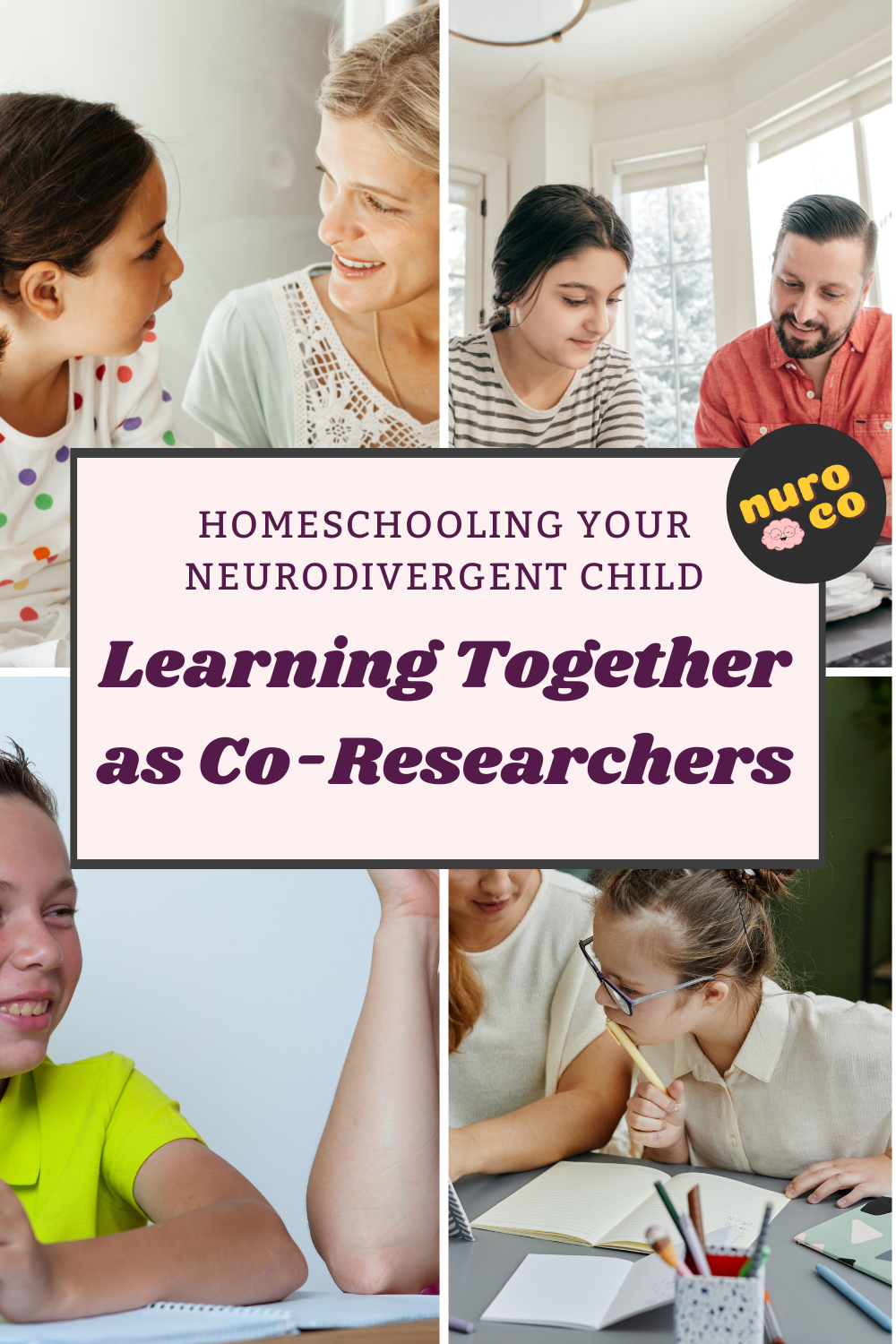
Homeschooling doesn’t have to mean being the expert in the room.
Some of the richest learning moments come when you sit alongside your child, exploring something new together. For neurodivergent learners especially, this approach can ease pressure, build confidence, and make room for genuine curiosity to lead the way.
Why Be a Co-Researcher?
Being your child’s co-researcher doesn’t mean you abandon your role as a guide. Instead, it means showing that learning is not about memorising facts, it’s about asking questions and seeking answers.
Connection: Sitting side-by-side, you’re not testing your child; you’re collaborating. This reduces that adversarial “school vs home” energy.
Modelling curiosity: When you admit, “I don’t know either, let’s look it up,” you’re teaching research skills far more valuable than rote knowledge.
Confidence for kids: When adults don’t pretend to know everything, children see that it’s normal to be a learner at any age.
How to Be Your Child’s Co-Researcher
1. Start with a Shared Question
Big or small, every project begins with curiosity. You might ask:
How do koalas survive bushfires?
What would it take to design a video game level?
Why do some foods bubble when you cook them?
The question doesn’t matter, it’s the spirit of wonder that matters most.
2. Divide (and Swap) Roles
Maybe your child collects images while you find articles. Or you look for local experts to email, while they explore books and videos. Don’t be afraid to swap, let them fact-check your work, or let you doodle sketches for their project.
3. Make the Process Visible
Research isn’t just clicking links. Show how to take notes, make mind maps, or jot down “maybe” ideas. You might:
Pin sticky notes on the wall to map out ideas.
Keep a shared research journal.
Turn findings into a poster, zine, or short video together.
4. Embrace “I Don’t Know”
The magic of co-research is that not knowing is the starting point. Model how to ask better questions, compare sources, and decide which answers feel most reliable.
Overcoming Common Barriers
“I’m not knowledgeable enough.” Perfect - you don’t have to be! Your job is to model how to find information, not to already know it.
“My child doesn’t want me involved.” Try flipping it - invite them to teach you. Kids often love explaining their special interest to a genuinely curious adult.
“We don’t have much time.” Research doesn’t need to be hours of deep diving. Even a short “research break” can become a ritual, like storytime.
The Real Payoffs
When you learn alongside your child, you’re not just gathering information, you’re strengthening connection and teaching skills that last a lifetime:
Critical thinking: weighing different sources and viewpoints.
Organisation: keeping notes, ideas, and projects in order.
Communication: explaining findings clearly to others.
Lifelong learning: showing that curiosity never ends.
How This Fits With nuro co Projects
Every nuro co project is built with co-research in mind. For example:
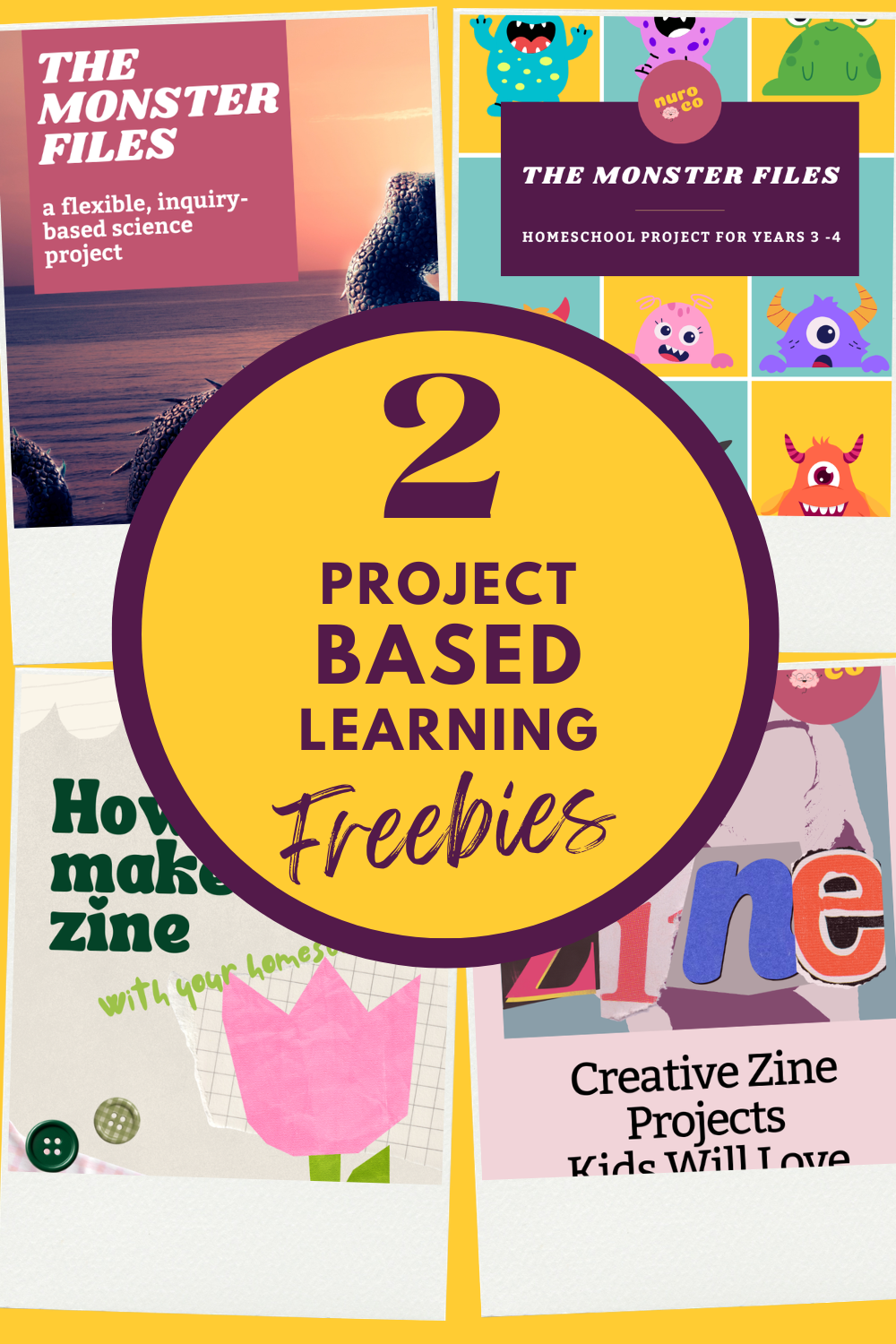
In Zine Zone, you and your child might gather stories or images for a mini-magazine.
In Animal Rescue, one of you could look up local wildlife rescue organisations while the other explores animal behaviours.
In Planet Protectors, you might compare your family’s recycling habits to global statistics together.
These aren’t projects where a parent dictates tasks - they’re opportunities to discover, side-by-side.
Final Thought
Homeschooling doesn’t have to look like school at home. When you step into the role of co-researcher, you show your child that learning is collaborative, playful, and never finished. The next time your child asks a tricky question, resist the urge to supply an answer. Instead, try: “That’s a great question. Let’s find out together.”