

What Happens When Your Child Knows More Than You Do?
What happens when your child knows more than you do? Explore how your role can shift from teaching the answers to helping them find what they need.

The Kids Who Need to Know How Everything Works
Some kids need to know how everything works. Explore how systems thinking, patterns and deep curiosity can become starting points for homeschool learning.

When a Collection Becomes an Expertise
From Pokémon cards to figurines and favourite toys, discover how collecting can help children build knowledge, notice details and develop genuine expertise.
What Kids Can Learn from Stardew Valley (and How to Bring Those Ideas Into Homeschooling)
From seasons and sustainability to community and systems thinking, discover why Stardew Valley offers rich learning opportunities for homeschoolers.
Why World-Building Is Such a Powerful Learning Tool
Discover how world-building develops creativity, storytelling, geography, systems thinking, and problem-solving. Learn why many homeschoolers and neurodivergent learners thrive when creating their own worlds.

Why Cosplay is not just dressing up
Cosplay isn’t just dress-ups. For neurodivergent and LGBTQIA+ kids, it can be a powerful way to explore identity, build confidence, and feel a sense of belonging.

What if your child didn’t have to “cope” with their environment?
What if your child didn’t have to “cope” with their environment? Explore how small changes to space can support comfort, focus, and regulation — and why it matters.
How to Find a Homeschool Record-Keeping System That Works for Your Family
Learn how to choose a homeschool record-keeping system that fits your family's capacity and preferences. Explore tagged journals, portfolios, and minimalist approaches to documenting learning.
How to Make a Zine With Kids
Learn how to make a simple zine with kids using just one sheet of paper. This easy mini book activity combines art, writing, and creativity. Perfect for homeschool learning or creative afternoons.
Not Sure Where to Start? 19 Homeschool Projects for Neurodivergent Learners
Explore 19 interest-led homeschool projects for neurodivergent learners. Flexible, low-pressure ideas that engage kids without worksheets.
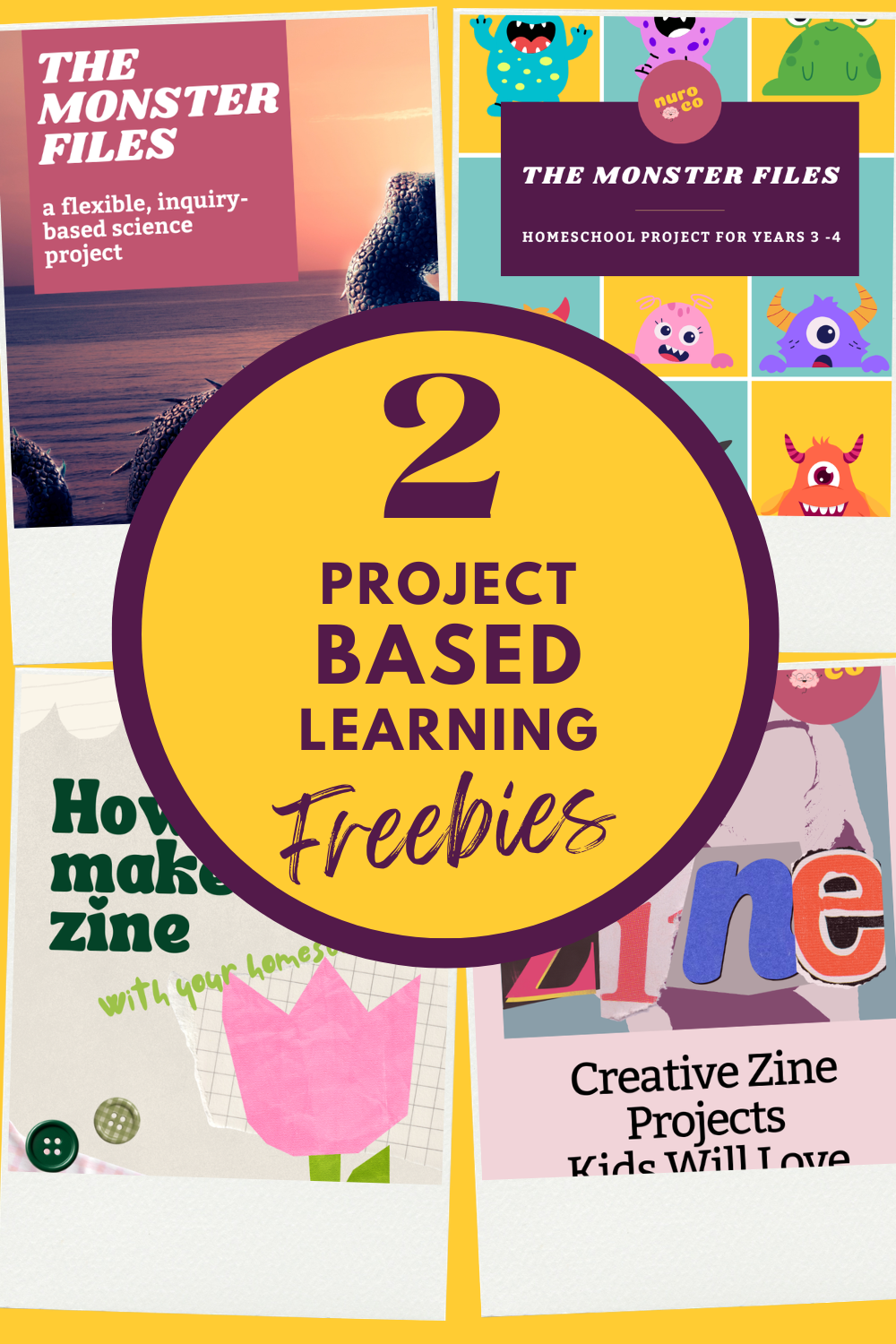
When homeschooling feels hard
Struggling with homeschool resistance? Try these two gentle, project-based learning ideas designed to help kids engage, without pressure or worksheets.
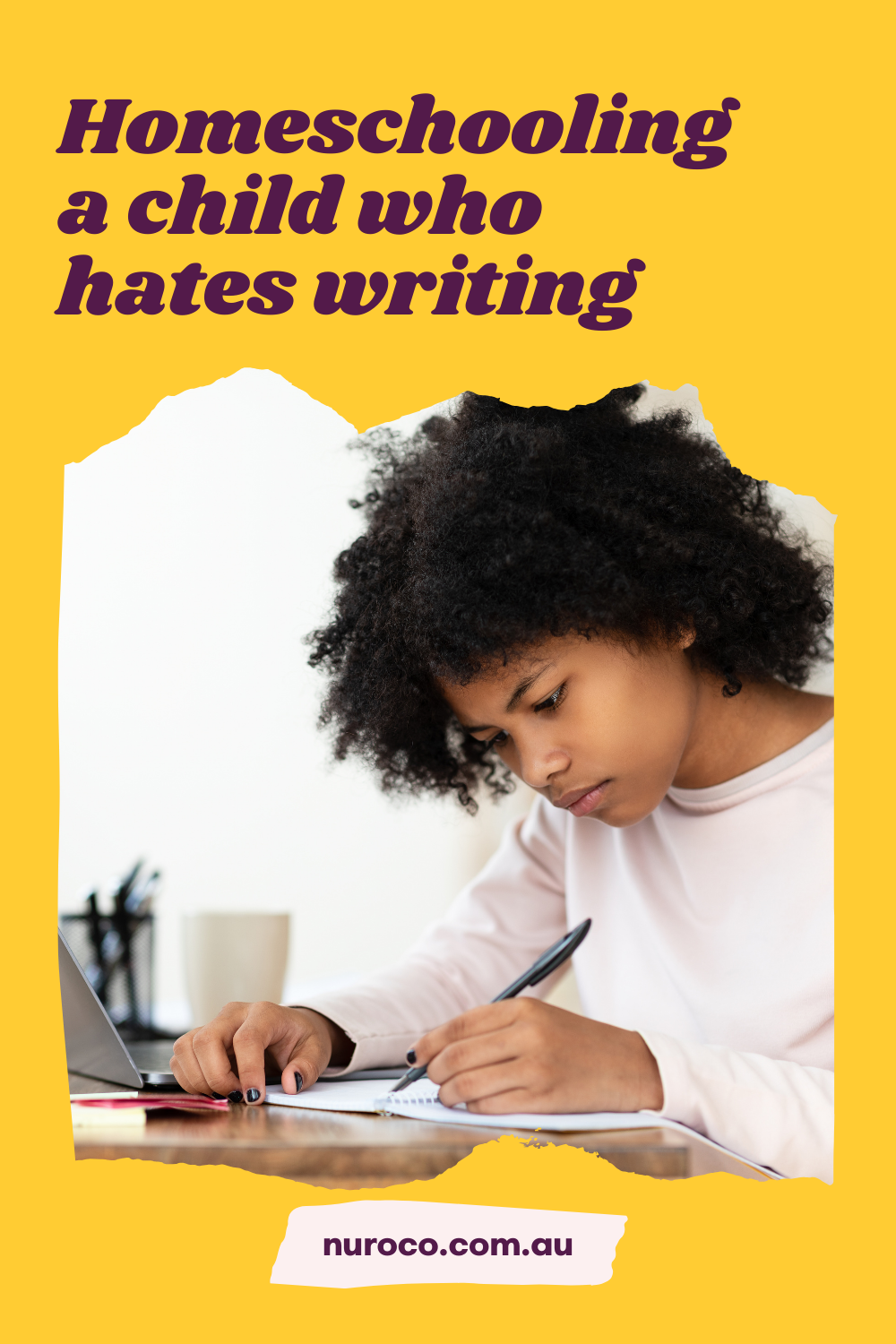
My Child Hates Writing. What Can I Do Instead?
Struggling with a child who hates writing? Discover gentle, practical alternatives that help homeschool learners show their thinking without pressure or worksheets.
Project Spotlight: Move It!
Discover Move It!, an 8-week home education project for Years 3–4 that turns movement into learning. Children experiment with balance, motion and playful physical challenges using simple household objects.
Indoor PE Ideas for Homeschool
Need homeschool PE ideas for rainy days? Try these 15 fun indoor movement activities that help kids stay active while learning at home.

How to Make Physical Education Fun in Homeschool
Struggling with homeschool PE? Discover 15 fun physical education ideas that don’t rely on sports or drills. Creative movement activities kids actually enjoy.

When Homeschooling Wasn’t the Plan
A personal reflection on suddenly homeschooling a neurodivergent child after burnout - and learning how to move beyond “school at home” while still meeting registration and reporting requirements.
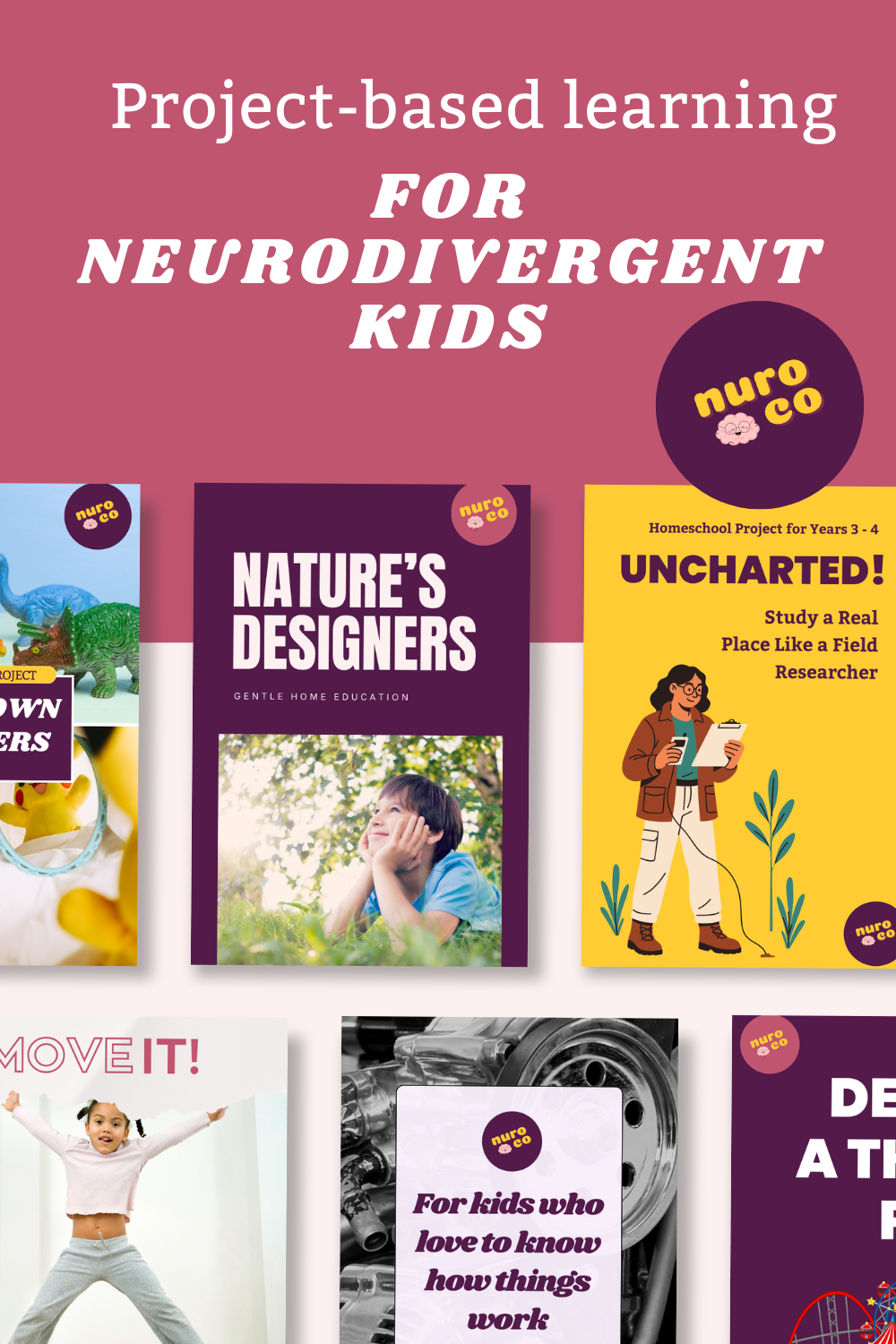
6 Homeschool Projects for Years 3 - 4
Project-based learning can make homeschooling feel more manageable for neurodivergent kids. Explore 6 gentle, low-pressure projects for Years 3–4, plus a free project to help you get started.

Designed for Neurodivergent Learners - Helpful for Many Children
Neuro-affirming homeschool projects aren’t just for neurodivergent children. Learn how inclusive design, flexibility, and low-pressure learning support many learners.
Project-Based Learning for Neurodivergent Learners
Discover how project-based learning supports neurodivergent learners through flexible, interest-led projects. A practical, low-stress approach for homeschooling.
Introducing Our Approach
Learn about nuro co’s approach to interest-led, neuro-affirming homeschooling, and how we help families describe rich learning clearly, without adding pressure.