
An LGBTQIA+ Inclusive Homeschool Project
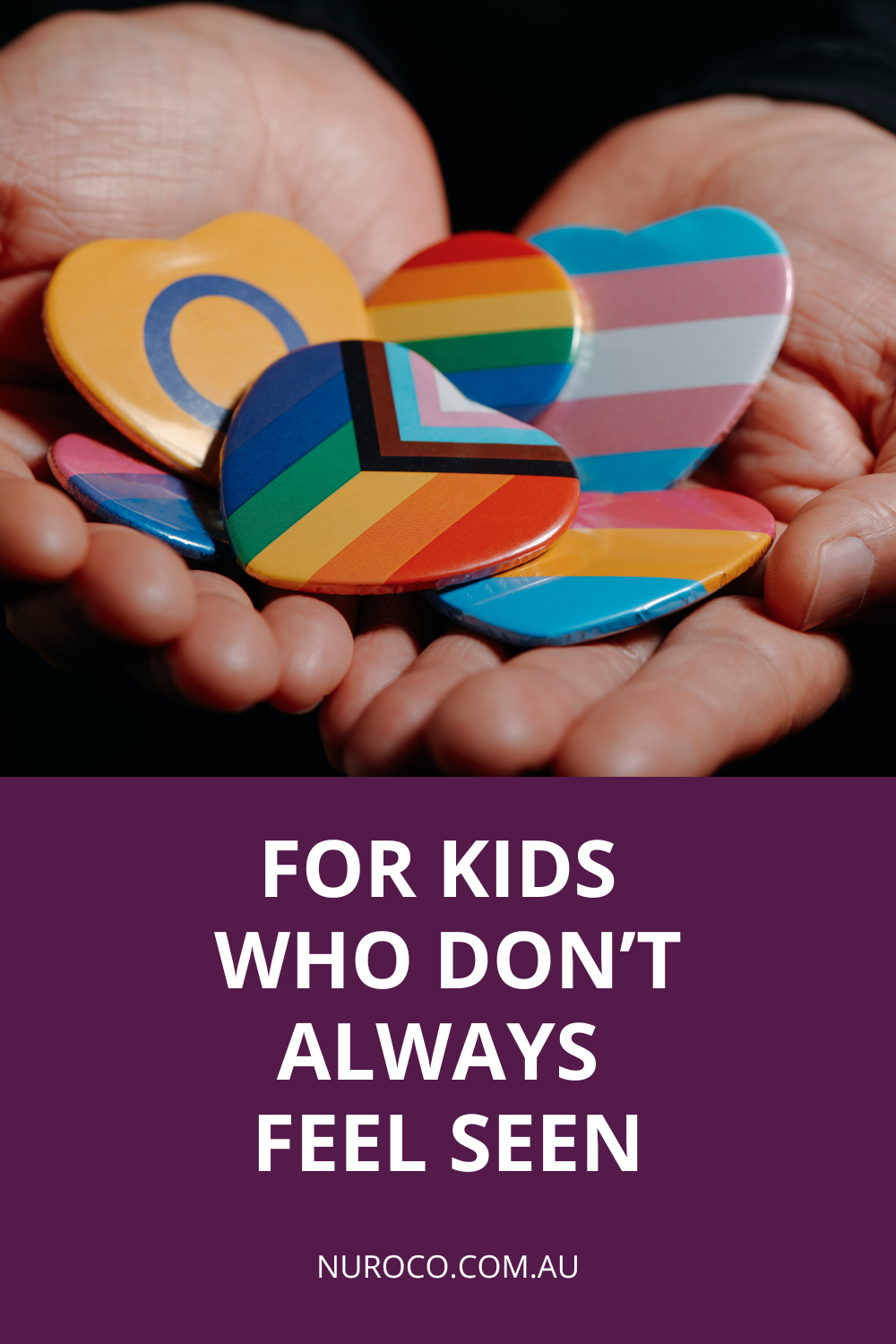
Some learners don’t see themselves reflected very often.
Not in books or classrooms. And not always in the way learning is structured.
That’s especially true for many neurodivergent and LGBTQIA+ kids, who are often navigating systems that weren’t really designed with them in mind.
The Rainbow Project was created with those learners at the centre.
This project is a space to explore identity, fairness, and belonging in a way that feels open, creative, and genuinely safe.
And while it was designed with LGBTQIA+ learners in mind, it’s something many families will find meaningful, because these ideas matter to a lot of kids, in a lot of different ways.
What a safe, age-appropriate approach actually looks like
The project begins by asking a simple question: What do people need to live a good life?
From there, learners build understanding gradually, through small, creative steps.
They might:
explore human rights through drawing, discussion, or storytelling
respond to stories about belonging
create characters that express identity in different ways
learn about real moments of change in Australia
imagine what a fair and inclusive world could look like
Nothing is rushed or forced.
Ideas are revisited from different angles over time, which makes them easier to engage with and easier to understand.
How pressure is taken out of the process
For a lot of learners, it’s not the topic itself that feels hard, it’s the pressure around it.
So this project is designed to remove as much of that pressure as possible.
That looks like:
No forced personal sharing
Learners can explore identity through fictional characters, avatars, or imagined worlds instead of themselvesMultiple ways to respond
Drawing, building, talking, recording, designing - whatever feels most accessibleFlexible pacing
You can move slowly, skip parts, or stay with one idea longerChoice at every step
Learners can engage deeply, lightly, or somewhere in betweenHeavy ideas approached gently
Through creativity, imagination, and hope, not overwhelm
For some learners, especially those who are neurodivergent or part of the LGBTQIA+ community, this flexibility isn’t just helpful, it’s what makes the learning feel safe in the first place.
What learners actually do
Across the project, learners build a collection of work that reflects their thinking.
Not as a formal assignment, but as something more personal and expressive.
They might create:
a “Rights for Everyone” pieceabout what fairness means to them
an identity collage or a character that represents different parts of who someone is
a “Free to Be” character exploring self-expression
a creative response to a real moment in LGBTQIA+ Australian history
an imagined world where everyone belongs
a designed space that supports different kinds of people
a mini gallery celebrating representation in stories
By the end, these pieces come together into a kind of exhibition - a collection of ideas about fairness, identity, and belonging.
Why this approach works
When learners are given space to explore, revisit, and express those ideas in different ways, something deeper starts to happen.
They’re not just hearing about fairness, they’re deciding what it means to them. They’re not just learning about inclusion, they’re imagining what it could look like.
And because there’s no pressure to share or perform understanding, they can engage in a way that actually feels safe.
If you’re looking for that kind of support
The Rainbow Project was designed for learners who don’t always see themselves reflected, and for the families who want to change that.
It offers a way to explore identity, fairness, and belonging that feels:
thoughtful
flexible
creative
and genuinely age-appropriate
Without worksheets or pressure, and without needing to have it all figured out.
You can explore The Rainbow Project here.
