Project Spotlight: Sensory Architects
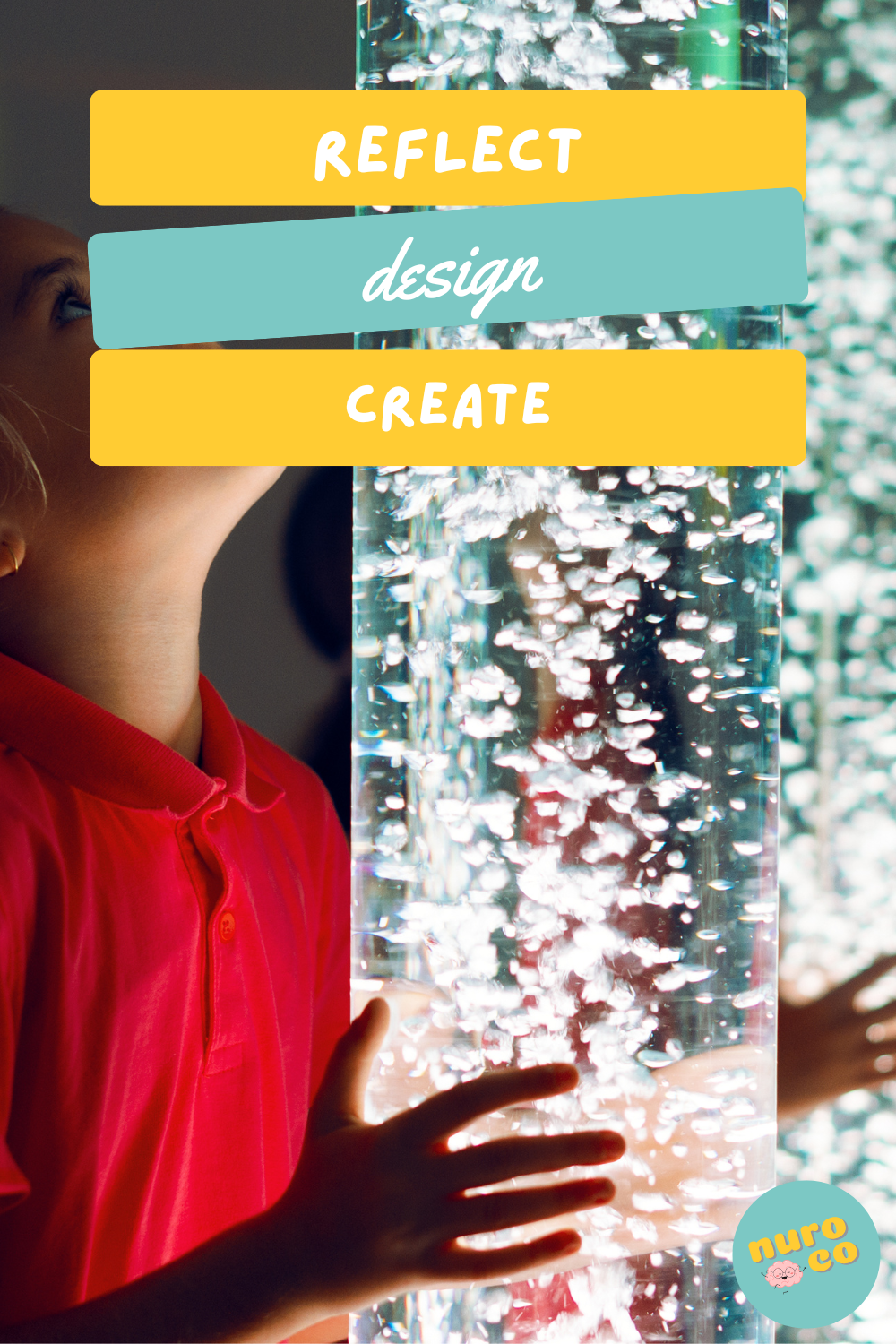
Design for comfort, create for calm
Many learners notice things other people miss.
The buzz of a light.
The scratchiness of a chair.
The way a crowded room can feel overwhelming — or how a small, cosy corner can suddenly make everything easier.
Sensory Architects was designed for learners who think about spaces, comfort, and how environments affect the way we feel.
Across eight weeks, learners explore how sound, light, texture, colour, and layout shape everyday experiences — then use those discoveries to design sensory-friendly spaces of their own.
The goal is thoughtful, meaningful design that helps learners better understand themselves and others.
What It’s All About
Sensory Architects invites learners to step into the role of designer — not just decorating a room, but thinking deeply about how spaces make us feel.
Through observation, reflection, and experimentation, they’ll explore the science and art behind sensory design: how lighting shapes mood, how texture changes comfort, and how thoughtful layouts can help different people thrive.
The project gently builds self-awareness alongside design skills. As learners track their responses in a Sensory Diary and create their own Designer’s Journal, they begin to notice what supports their calm and concentration — and how they can shape environments that work for them.
It’s flexible, hands-on, and neuro-affirming: learners can explore through sketches, models, digital builds, or even Minecraft creations. There’s no single right way — only meaningful discovery.
What They’ll Do
Across eight weeks, your learner will explore how environments affect the way people feel, focus, move, and rest.
They might:
notice and record sensory patterns in everyday spaces
investigate how lighting, colour, texture, and sound shape mood and comfort
compare spaces that feel calming, overwhelming, energising, or distracting
experiment with sensory-friendly design ideas through sketches, models, floorplans, or digital builds
create spaces designed for different needs — such as calm corners, creative zones, reading nooks, gaming setups, or community spaces
collect reflections and observations in their Sensory Diary and Designer’s Journal
refine their ideas through testing, feedback, and experimentation
share their final design through a model, presentation, video walkthrough, poster, or Minecraft build
Some learners will focus on a single room or idea. Others may design entire environments or imaginative sensory worlds.
Every approach is valid, because the heart of the project is thoughtful, personal design.
What They’ll Learn
While designing their sensory spaces, learners naturally build skills across writing, science, maths, creative arts, and wellbeing.
They explore concepts like light and sound, measurement and spatial awareness, reflective writing, design thinking, and emotional regulation — all through a project that feels personal and relevant.
Sensory Architects aligns with Years 5–6 Australian Curriculum learning areas while keeping creativity and flexibility at the centre.
Who Sensory Architects Often Resonates With
This project is especially designed for learners who:
notice sensory details other people overlook
enjoy designing rooms, houses, or digital builds
love Minecraft or world-building games
think deeply about comfort and atmosphere
enjoy art, design, or creative problem-solving
need learning to feel calm, flexible, and meaningful
prefer open-ended projects over worksheets
Why Families Love It
Like all nuro co projects, Sensory Architects is designed to reduce planning pressure for families.
The project includes structured guidance and gentle weekly prompts, while still leaving space for learners to follow their own interests and ideas.
That means less pressure to “make learning happen” — and more opportunities to observe meaningful engagement unfold naturally.
Explore. Design. Reflect.
By the end of the project, your learner will have created more than a model — they’ll have built a deeper understanding of themselves.
From calm corners to creative zones, every design decision tells a story of comfort, curiosity, and confidence.
Discover the full project at Sensory Architects.