Project Spotlight: Slime Lab (Mini Project)
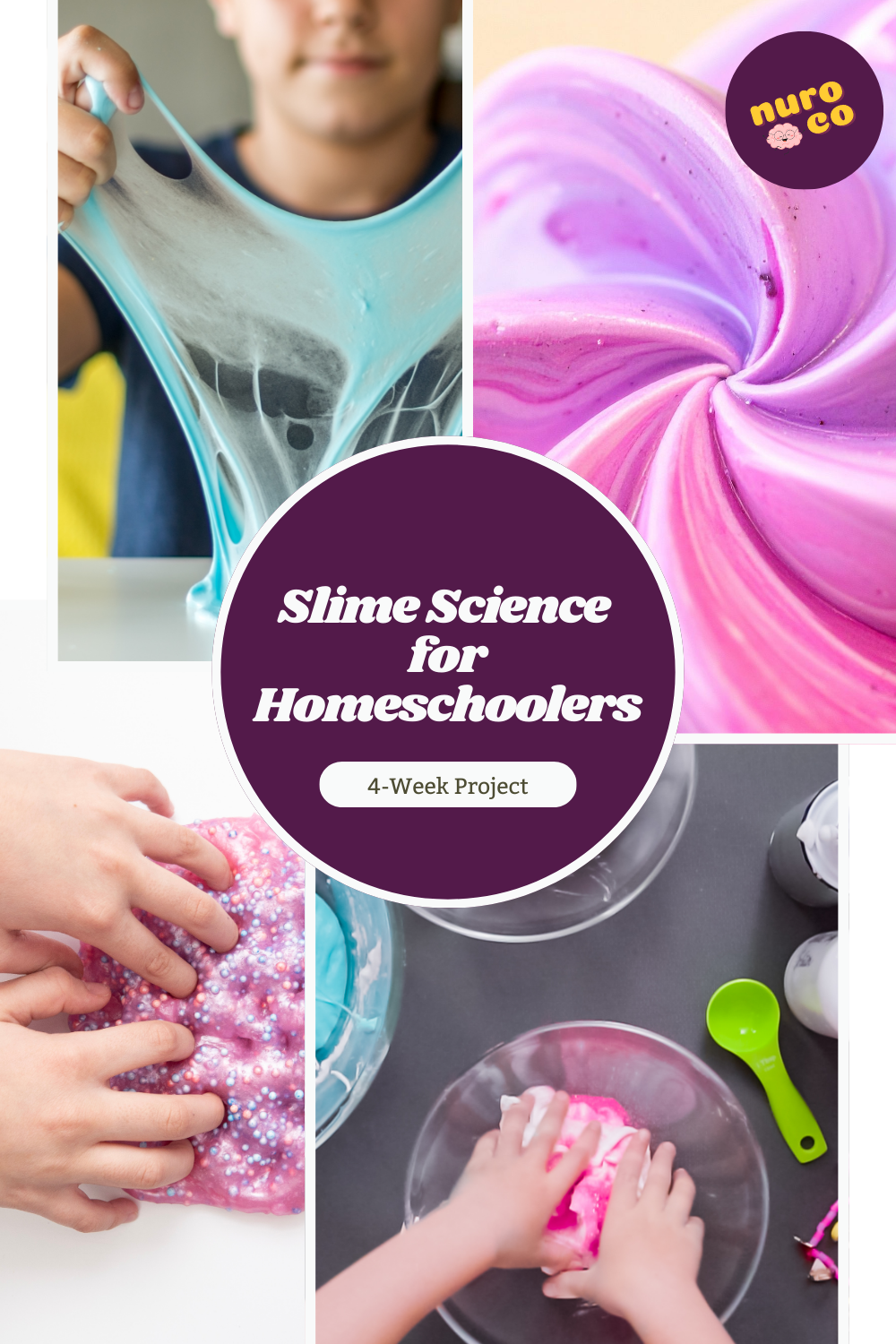
A four-week science project for learners who love sensory play, experimenting, and making things their own.
Some learners do their best thinking with their hands.
They mix, test, squish, compare, adjust, and try again — not because someone told them to, but because they genuinely want to know what will happen next.
That’s the idea behind Slime Lab.
This four-week project turns slime-making into a low-pressure science investigation where learners explore textures, materials, variables, and design ideas through playful experimentation.
Instead of worksheets or rigid experiments, learners investigate questions like:
What changes the texture of slime?
How can you make slime stretchier, firmer, fluffier, or calmer to touch?
What happens when you adjust ingredients or methods?
How would you design a slime for a particular person, purpose, or theme?
Along the way, they build real scientific thinking, without needing learning to feel formal or heavy.
Why Families Love Slime Lab
Slime Lab works especially well for learners who:
enjoy sensory play or hands-on learning
resist traditional worksheets
like experimenting and figuring things out independently
benefit from low-pressure, flexible learning
enjoy creative projects with freedom to personalise
Because it’s a short project, it also fits beautifully into busy seasons, lighter homeschool terms, recovery periods, or times when your learner needs something engaging without feeling overwhelmed.
What Your Learner Will Do
Across four weeks, your learner will:
test different slime recipes and materials
compare textures, stretch, softness, and consistency
experiment with variables and observe changes
record ideas through photos, drawings, notes, or conversation
develop a custom slime design or concept
create a final “signature slime” and playful product launch
Some learners will go deep into the science. Others will focus more on creativity, sensory exploration, or design ideas.
Both approaches are fully supported.
Designed for Neurodivergent Learners
Slime Lab was designed with flexibility and sensory needs in mind.
The project includes:
low-demand recording options
flexible pacing
sensory adjustments and alternatives
multiple communication options
invitations rather than rigid requirements
Learners can mix slime directly, use tools, work in bags, pause and return later, or adapt activities to suit their comfort level and energy.
There’s no expectation that every learner will produce the same result — or even enjoy the same parts of the process.
A Small Project That Still Supports Real Learning
While Slime Lab feels playful, learners are still developing skills in:
observation and comparison
sequencing and procedural thinking
testing and revising ideas
communication and reflection
early chemistry and material science concepts
The final weeks bring everything together in a way that feels achievable and satisfying, without becoming stressful or overly academic.
What’s Included
Slime Lab includes:
a Parent Guide
a Student Guide
flexible activity prompts
curriculum-aligned documentation support
reflection and recording options
Slime Lab is included free inside the Years 5–6 Full Year Bundle, or available as a standalone mini project for $49 AUD.
Looking for a Gentle Starting Point?
If you’ve been curious about project-based homeschooling but aren’t ready to commit to a full 8-week project yet, Slime Lab is a great place to begin.
It’s manageable, flexible, highly engaging, and easy to start with materials many families already have at home.
Explore Slime Lab.