The Power of Personal Projects
How personal projects transform neurodivergent education
When learning starts with something a child truly cares about, everything changes. Focus deepens, energy builds, and ideas flow. For neurodivergent learners, following their interest — whether it’s gaming, nature, design, or storytelling — can turn education from something to get through into something they own.
At nuro co, that’s the heart of what we do. Our projects are built around the kinds of interests that light up neurodivergent minds — creative worlds, hands-on challenges, and open-ended design. Because when learning feels meaningful, it sticks.
What do we mean by “personal projects”?
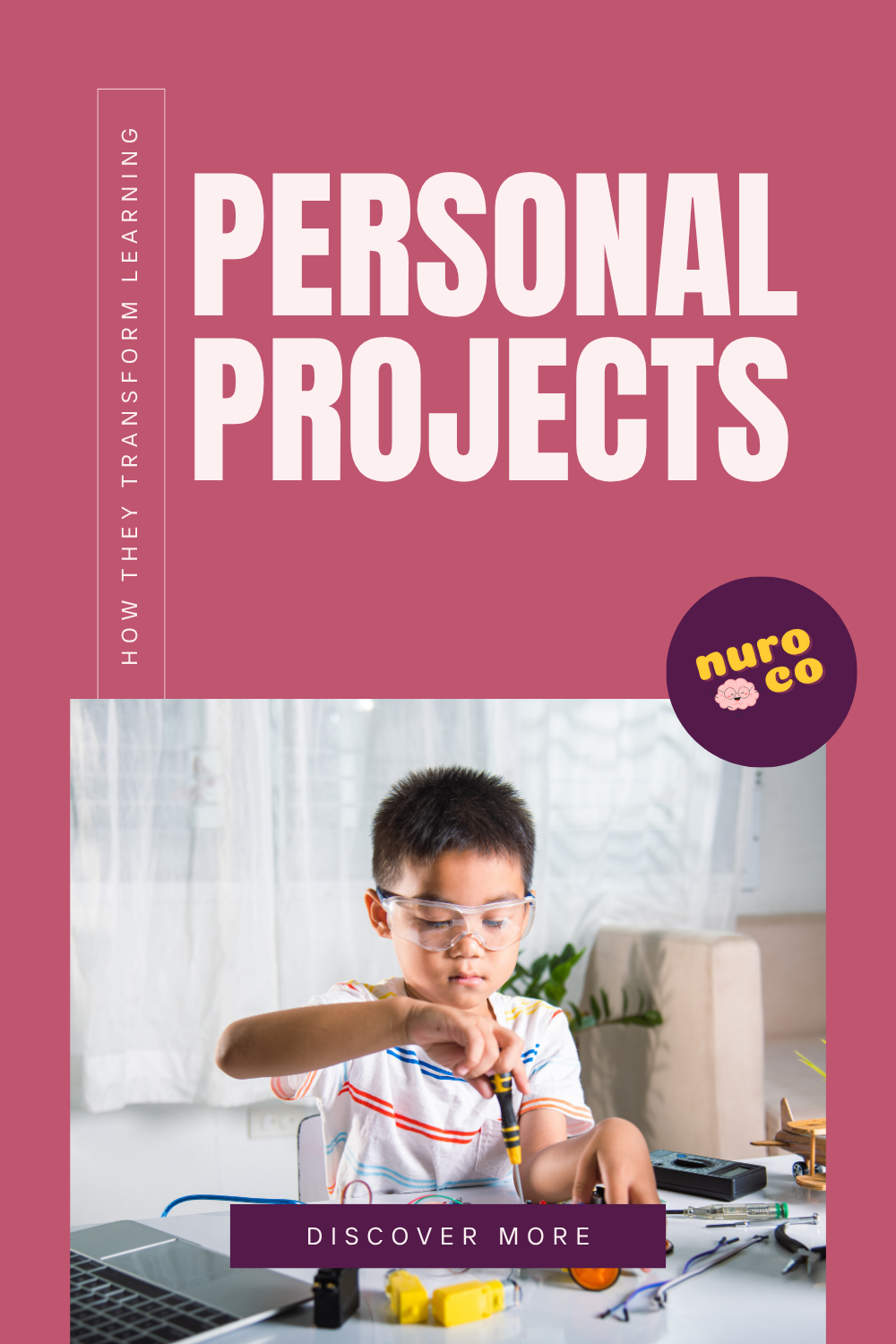
A personal project is a dive into something that matters to your learner. It’s not about ticking boxes or completing worksheets. It’s about exploring an idea, experimenting, and learning through doing.
That might look like:
designing a sensory-friendly bedroom that feels calm and just-right
creating a zine to share their favourite animal or fandom
building a model town complete with shops, characters, and stories
coding and testing their own simple game
Each one starts from a learner’s natural curiosity — and grows into something much bigger.
But this doesn’t mean it’s unstructured. When guided with gentle frameworks, personal projects can cover a wide range of academic skills and outcomes — they just do it in a way that feels authentic and motivating.
Why personal projects work so well for neurodivergent learners
Autonomy builds confidence.
Neurodivergent learners often flourish when they have a sense of control over what and how they learn. Choosing their own project gives them ownership — and that independence can transform how they see themselves as learners.
Interests fuel focus.
Many neurodivergent learners experience deep focus when they’re engaged with a topic they love. Instead of fighting that focus, we can use it — turning it into a strength that builds stamina, creativity, and problem-solving.
Safety encourages growth.
Traditional learning environments can feel unpredictable or high-pressure. Personal projects create a sense of safety. When a learner feels connected to their work, mistakes become part of the process, not something to fear.
Authenticity builds connection.
Working on something personally meaningful gives learners a sense of purpose. They can share their work with family, friends, or community — not for grades, but for genuine pride.
The academic magic hiding inside
Personal projects aren’t just creative — they’re quietly rigorous. When learners plan, research, design, and reflect, they’re covering a wide range of skills without even noticing.
Designing a cosplay outfit → measurement, pattern-making, visual arts, literacy
Creating a game map → maths, geography, creative writing, coding
Building a model farm or valley → science, sustainability, history, economics
Writing a zine → English, design, communication, reflection
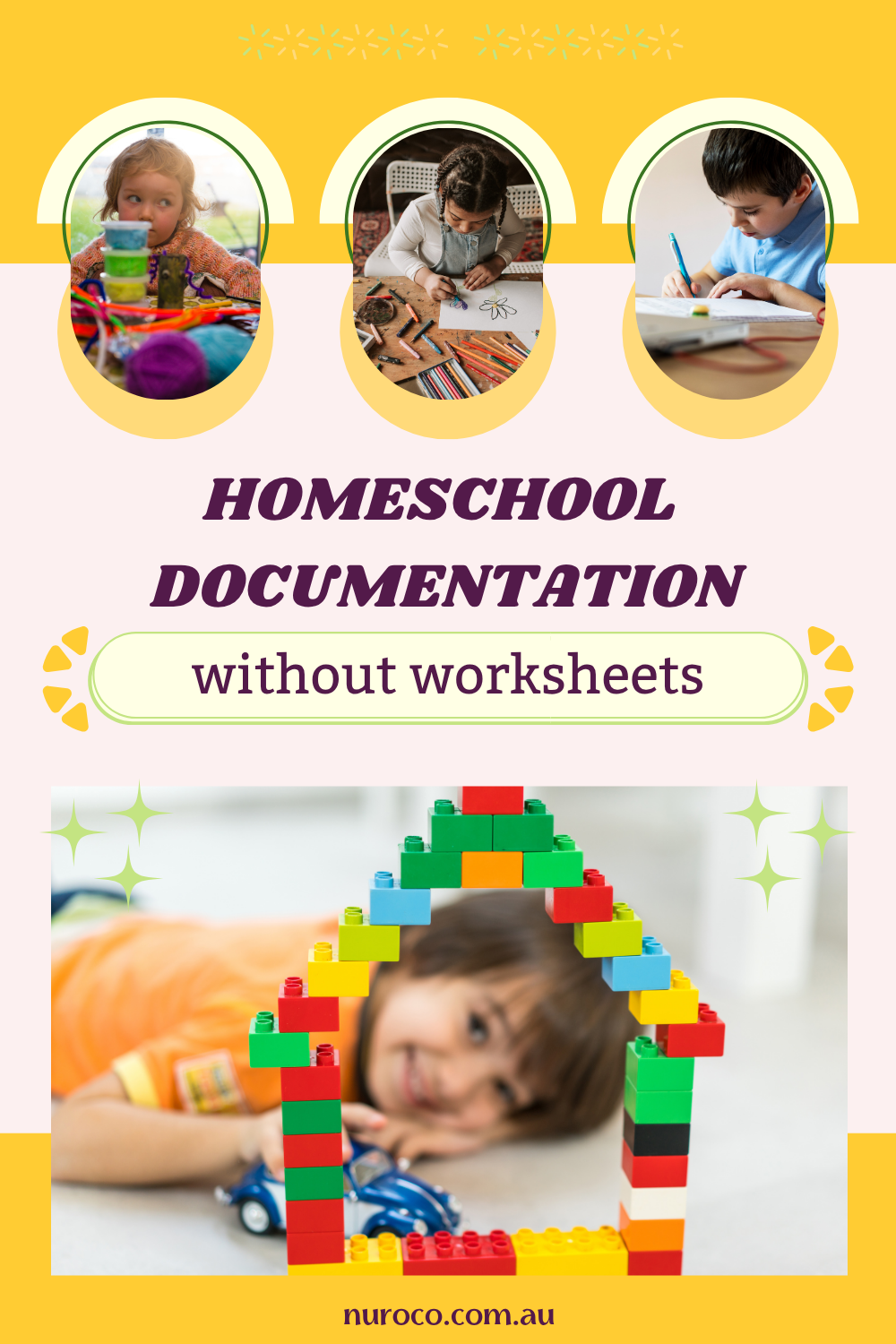
It’s learning that feels natural and purposeful — and it provides rich evidence for homeschool documentation. A photo of a finished model or a page from a design journal can demonstrate outcomes far more meaningfully than a worksheet ever could.
How to nurture a personal project at home
You don’t need to plan an elaborate curriculum or buy special materials. What matters most is curiosity and trust.
Here are a few ways to help a personal project grow:
Start with what they already love. Notice what captures their attention — and build from there.
Keep goals flexible. Let the project evolve. It’s okay if it changes direction halfway through.
Add gentle structure. A weekly check-in, reflection page, or short journal entry helps them track their progress.
Document along the way. Take photos, collect sketches, save research notes — these become both keepsakes and learning evidence.
Celebrate the process. Focus on what they discovered, not just what they finished.
How nuro co builds on this philosophy
Every nuro co project begins with the same idea: that learners do their best work when they care about what they’re creating. Each project is designed as a guided passion project — flexible enough for learners to make it their own, but structured enough to support meaningful progress.
Learners might:
plan and design creative shelters for injured wildlife in Animal Rescue Centre,
craft original myths and hand-drawn maps for their own world in Mythos & Maps,
grow a cosy, character-filled community inspired by Stardew Valley in Hearts & Harvests,
bring their fandom to life through costume design in Cosplay Quest, or
curate a powerful exhibition celebrating LGBTQIA+ stories and advocacy in The Rainbow Project.
Whatever the project, the goal is the same — real learning that feels alive, purposeful, and personal. Never boring, never boxed.
The link between passion and proof
For parents, one of the biggest challenges of homeschooling can be documentation. How do you show that learning is happening when it doesn’t look like traditional schoolwork?
Personal projects make that simple. Each creation — whether it’s a model, journal, digital map, or written reflection — naturally generates evidence of learning across multiple subjects. You can align it with curriculum outcomes, take photos for your portfolio, or include excerpts in your homeschool report.
If you’d like support with this side of things, our free Homeschool Documentation Templates are a helpful place to start. They’re designed to make recording this kind of rich, project-based learning easy and stress-free.
Closing reflection: curiosity as direction
When learning starts from genuine interest, it feels steady, natural, and real. For neurodivergent learners, that sense of ownership can make all the difference.