What if your child didn’t have to “cope” with their environment?
We often notice when a space doesn’t feel right, but that doesn’t always mean we can change it.
So the environment stays the same, and the person in it is expected to adjust.
Focus harder.
Ignore the noise.
Sit still.
Get used to it.
For some kids, that works well enough.
For others, it’s exhausting.
To some people, it can look like a lack of focus, avoidance, and frustration.
But the problem isn’t the child. It’s the environment they’re being asked to function in.
When awareness isn’t the issue
Many neurodivergent learners (and plenty of others) are already noticing these things.
They know when the light is too harsh, when a space feels too loud, when something just doesn’t sit right.
But knowing that doesn’t always help, especially when there’s no real option to change it.
So that awareness gets pushed aside or quietly worked around.
And when a child is using a big chunk of their energy just coping, there’s not much left for curiosity, creativity, or learning.
What if we treated it like a design problem instead?There’s another way to look at this.
Instead of asking: “How can we help this child cope better in this space?”
We can ask: “What would this space look like if it actually worked for them?”
That shift gives the child a role in shaping their environment, instead of just enduring it.
And it opens up the idea that comfort, focus, and calm aren’t things you have to earn, they’re things you can design for.
This is where Sensory Architects comes in
In the Sensory Architects project, learners take on the role of a designer.
Not in a polished, Pinterest-perfect way, but in a practical, exploratory, very personal way.
They start by noticing what already matters to them:
what feels good
what feels overwhelming
what helps them settle, focus, or think clearly
Then they begin experimenting.
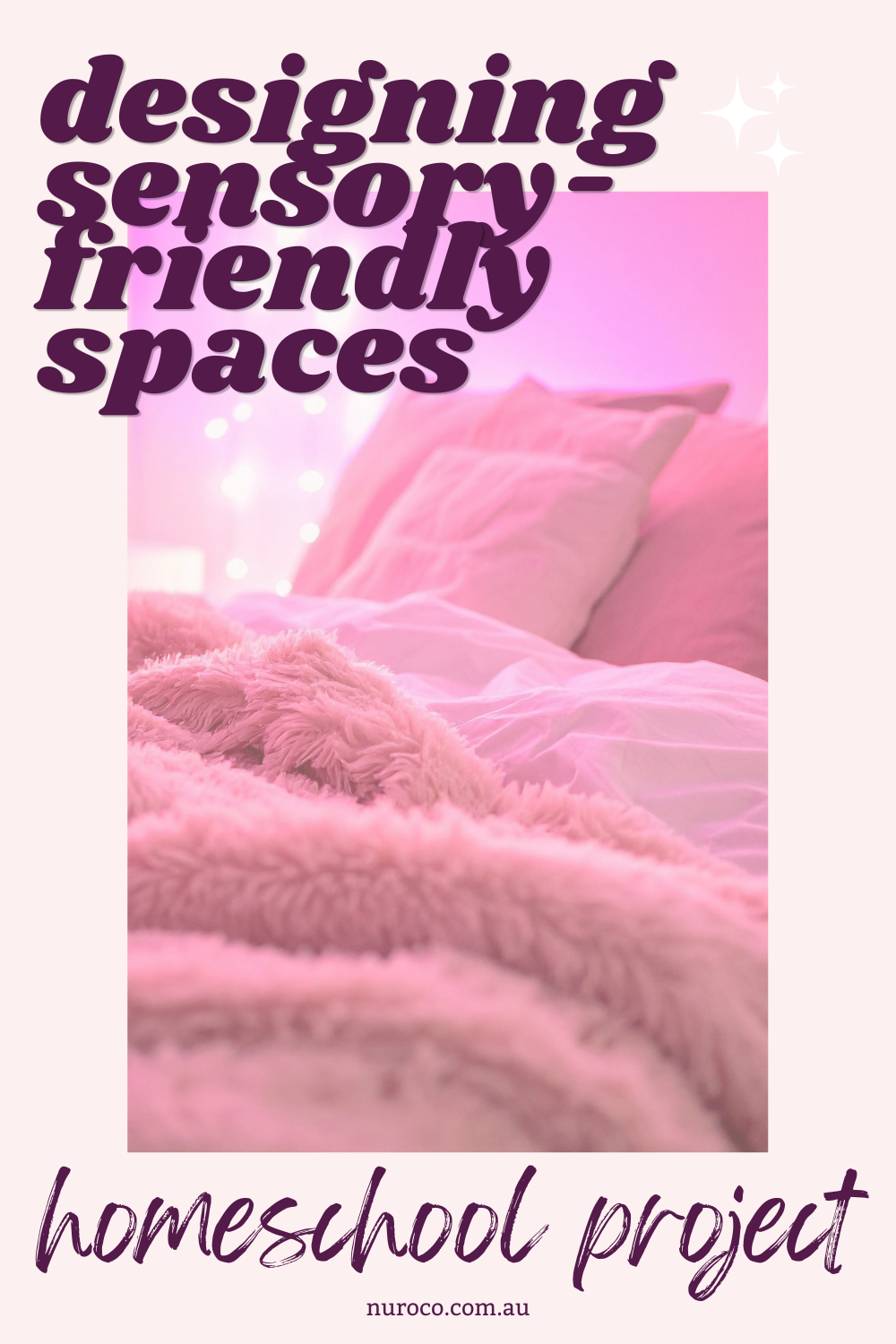
Changing lighting
Adjusting layout
Adding or removing textures
Testing quiet vs background sound
Creating small zones for different kinds of activities
Some ideas work straight away. Others might not.
That’s part of it.
Because this project isn’t about getting it right the first time, it’s about learning how environments affect them, and what they can do about it.
It’s not really about the space
At a surface level, they’re designing a space. But they’re also learning to:
recognise their own sensory needs
articulate them (even if it starts as “this just feels better”)
test and adjust ideas based on real experience
see themselves as someone who can shape their world
That last one matters a lot.
Because a child who understands how to support themselves in one environment may start to apply that thinking in others.
A quieter kind of support
Not every space needs a full redesign.
Sometimes it’s small shifts.
A different place to sit
A lamp instead of overhead lighting
A way to block or soften sound
A corner that feels predictable and calm
These changes can completely change how a space feels to be in.
And when a space feels better, everything else gets easier.
You don’t have to make them cope with everything
There’s a lot of pressure, especially as kids get older, to prepare them for the so-called real world.
And sometimes that gets translated into: “They need to learn to deal with things as they are.”
But the real world isn’t fixed. Adults adjust their environments all the time. We choose how we set up our spaces, what kind of noise we tolerate, and what helps us concentrate.
Kids deserve access to that same kind of thinking.
If you want to explore this approach
Sensory Architects is designed as a gentle, flexible project that helps learners explore this idea.
Not by following instructions, but by noticing, testing, and designing in ways that make sense to them.
Because when a child realises they don’t always have to adapt to the environment - that sometimes, the environment can adapt to them,
it changes more than just the space around them.
Explore the Sensory Architects homeschool project for Years 5 - 6.