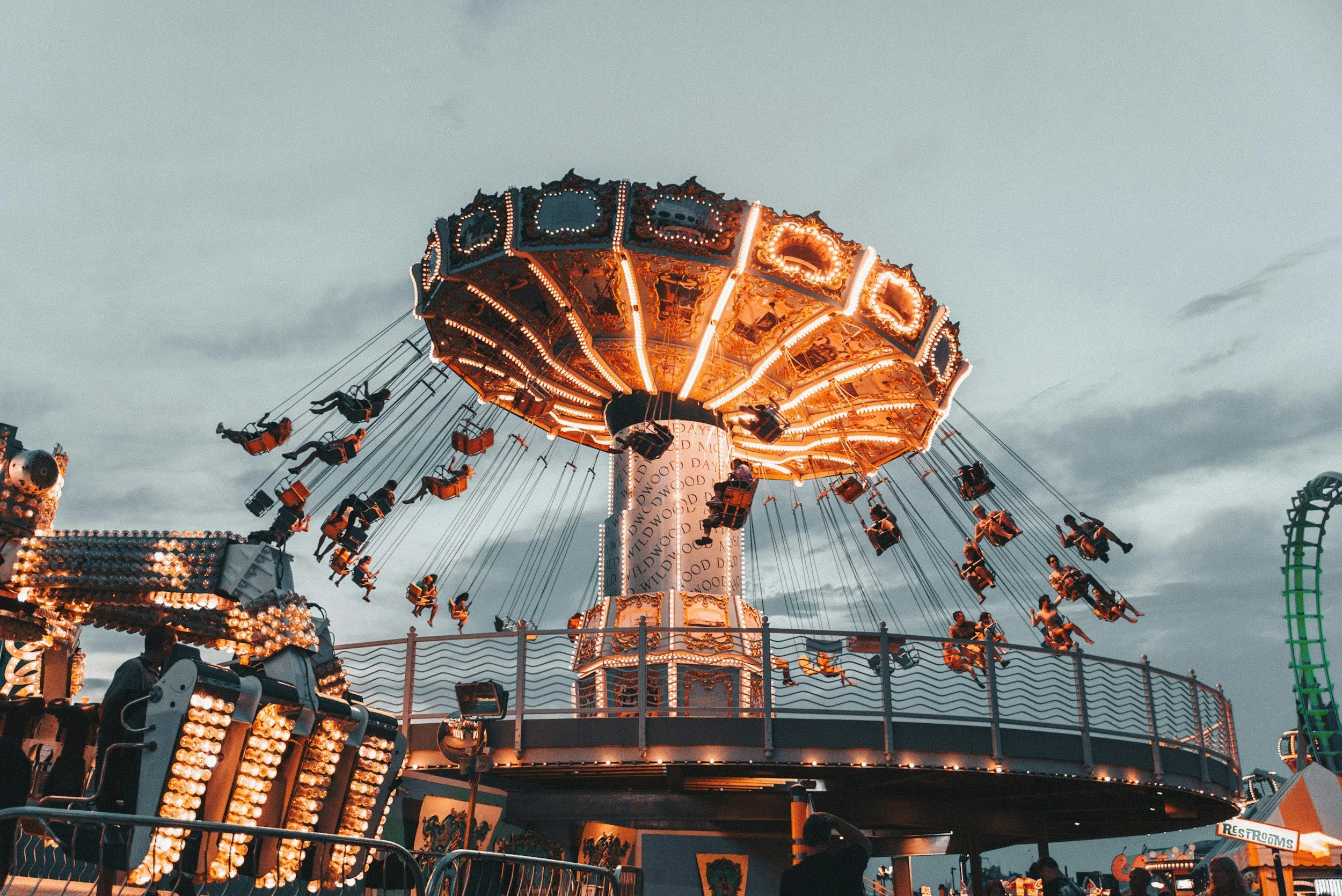
The Great Theme Park Project
The Great Theme Park Project is an 8-week, hands-on homeschool project for Years 3–4 learners who love designing, imagining worlds, or exploring how things move and work.
Learners are encouraged to theme their park around something they already love:
a favourite game or fandom
animals or creatures
fantasy worlds
colours or aesthetics
an original idea entirely their own
Some learners may build elaborate parks. Others may focus on one ride, one map, or one carefully designed area.
All approaches are welcome.
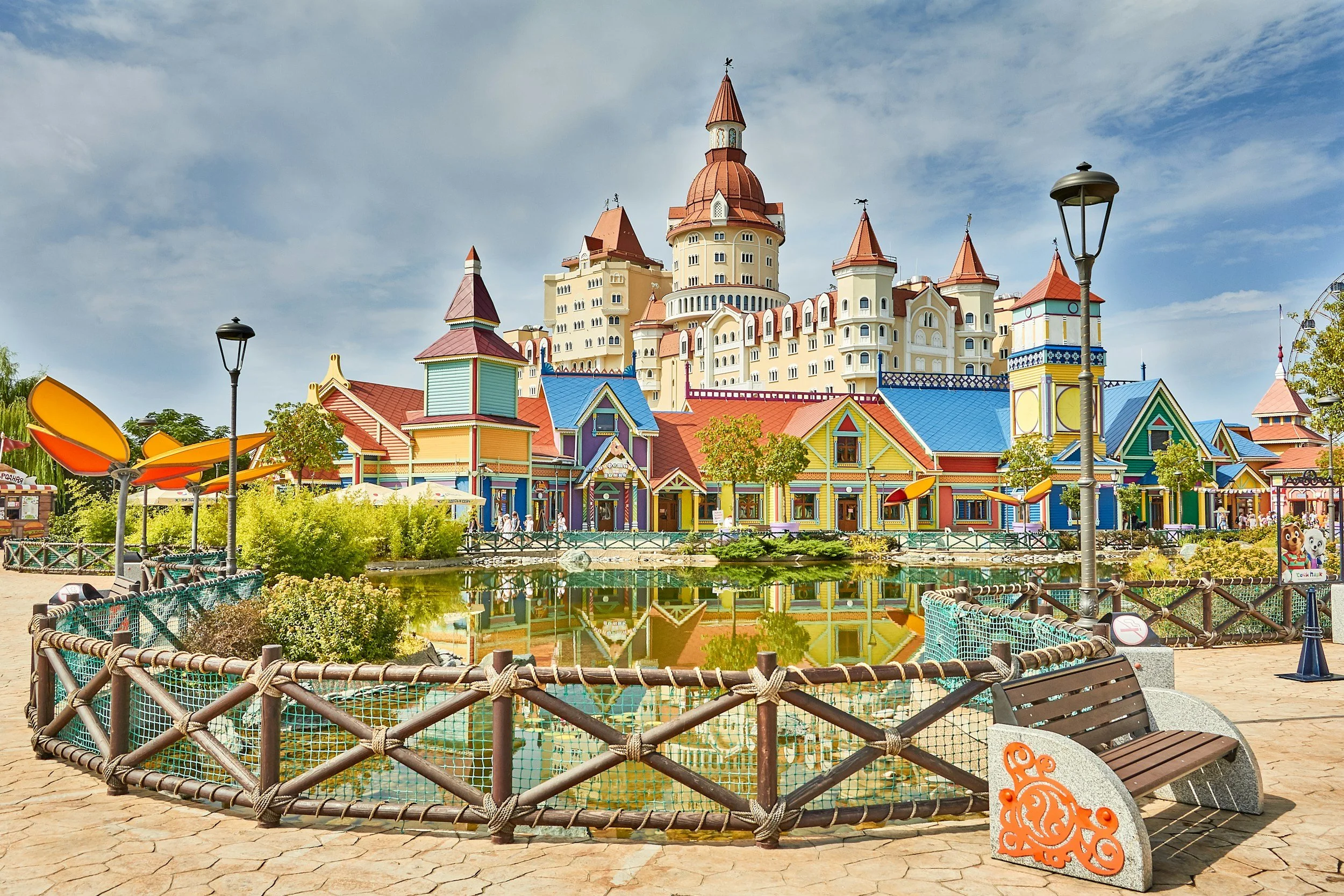
About this project
The Great Theme Park Project is an 8-week project for learners in Years 3–4 who enjoy building, designing, imagining worlds, or exploring how things move and work - or who need learning to feel flexible, creative, and low-pressure.
Rather than focusing only on rides, learners design the whole theme park, including:
park layout and zones
rides and games
maps, signs, and visitor information
shops, food stalls, and merchandise
calm or sensory-friendly spaces
Some learners will keep their designs simple. Others will go deep into one part of their park. All approaches are supported.
Everything is designed to feel flexible, creative, and manageable at home, with plenty of room for learners to follow their interests without pressure to “perform school” in a particular way.
How the project works
Across 8 weeks, learners gradually build and expand their park through a mix of creative design, experimentation, planning, and problem-solving.
One week might involve testing how a rollercoaster moves.
Another might focus on designing park maps, creating themed merchandise, planning food stalls, or imagining sensory-friendly quiet spaces.
Learning may happen through:
LEGO or recycled-material builds
drawing and mapping
Minecraft or digital design tools
conversation and explanation
testing, redesigning, and refining ideas
Some weeks may feel energetic and hands-on. Others may feel quieter and more reflective.
The project is intentionally designed to work with varying interests, energy levels, and ways of learning.
Who this project is for
Learners who need flexibility
This project is intentionally designed to balance structure with choice. There is:
no required final product
no expectation to complete every activity
no pressure to present or explain work
Learners can move at their own pace, pause when needed, or spend longer on areas of strong interest.
This makes it a supportive option for learners who are:
recovering from burnout
easily overwhelmed by demands
anxious about performance
more comfortable designing and making than writing
Learning can happen through play, design, and conversation, without needing to look “school-like”.
Learners with strong special interests
At the same time, The Great Theme Park Project offers depth for learners who love:
building and construction
world-building or games
design and creativity
problem-solving and testing ideas
exploring how things move
a fandom, game, show or character
Because learners choose the theme and direction of their park, they can lean fully into what excites them, whether that’s rides, maps, shops, or one small detail they want to refine over time.
Spending several weeks focused on one part of the park is welcome.
What’s included
Parent Guide
Clear weekly guidance that helps you support learning without needing to become a teacher, planner, or assessor.
Student Guide
Calm, inviting pages designed to encourage curiosity, experimentation, and independent thinking — without worksheets or heavy demands.
Registration Pack
Curriculum-aligned documentation to support homeschool registration requirements.
Reporting Pack
Optional low-pressure reporting pages that help you record learning naturally, even when learning looks informal, playful, or quiet.
Curriculum alignment
While learners are designing theme parks, they’re also exploring:
forces and motion
measurement and spatial reasoning
persuasive and informational writing
mapping and visual communication
problem-solving and iteration
wellbeing and inclusive design
The project supports meaningful cross-curricular learning without needing to separate subjects into isolated tasks.
The Great Theme Park Project is aligned with learning areas across:
Science & Technologies
English
Maths
Creative Arts
A creative project with room to explore
The Great Theme Park Project is designed for learners who thrive when creativity, curiosity, and personal interests are taken seriously.
It offers structure without rigidity, meaningful learning without constant pressure, and space for learners to explore ideas at their own pace.
Curriculum Versions Available
The Great Theme Park Project is available in both NSW Curriculum and Australian Curriculum versions.
The learning journey is the same in both. Only the assessment and documentation language differs to support different registration requirements.
NSW families: choose NSW Curriculum
Families in other states or territories: choose Australian Curriculum