
The Great Theme Park Project
A hands-on, interest-led design project for Lower Key Stage 2 (Years 3–4)
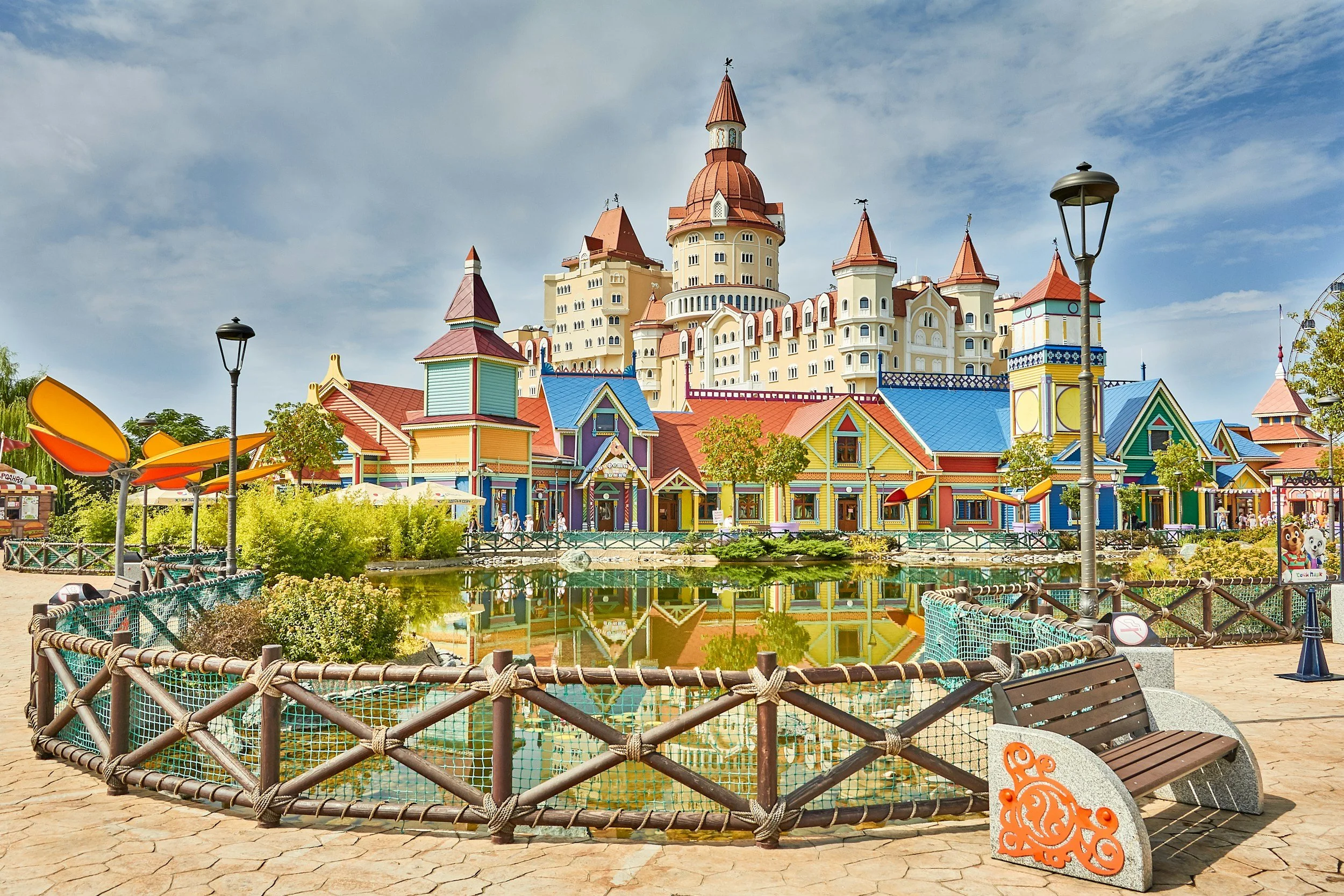
About this project
The Great Theme Park Project is an 8-week project for learners in Years 3–4 who enjoy building, designing, imagining worlds, or exploring how things move and work - or who need learning to feel flexible, creative, and low-pressure.
Rather than focusing only on rides, learners design the whole theme park, including:
park layout and zones
rides and games
maps, signs, and visitor information
shops, food stalls, and merchandise
calm or sensory-friendly spaces
Learners are encouraged to theme their park around something they love - a favourite game, characters, animals, fantasy worlds, colours, or an original idea of their own.
Some learners will keep their designs simple. Others will go deep into one part of their park. All approaches are fully supported.
How the project works
The Great Theme Park Project unfolds over 8 weeks.
Each week invites learners to:
imagine and plan ideas
design spaces and features
explore movement and forces through ride design
think about visitor experience and wellbeing
represent their thinking in ways that suit them
Learning may happen through:
building with LEGO or recycled materials
drawing, mapping, or diagramming
digital design (e.g. Minecraft or drawing apps)
conversation and explanation
testing ideas and making changes
Some weeks may feel busy and hands-on. Others may feel slower and more thoughtful. This project is designed to work with your learner’s interests and energy levels.
Who this project is for
Learners who need flexibility
This project is intentionally designed to balance structure with choice. There is:
no required final product
no expectation to complete every activity
no pressure to present or explain work
Learners can move at their own pace, pause when needed, or spend longer on areas of strong interest.
This makes it a supportive option for learners who are:
recovering from burnout
easily overwhelmed by demands
anxious about performance
more comfortable designing and making than writing
Learning can happen through play, design, and conversation, without needing to look “school-like”.
Learners with strong special interests
At the same time, The Great Theme Park Project offers depth for learners who love:
building and construction
world-building or games
design and creativity
problem-solving and testing ideas
exploring how things move
a fandom, game, show or character
Because learners choose the theme and direction of their park, they can lean fully into what excites them, whether that’s rides, maps, shops, or one small detail they want to refine over time.
Spending several weeks focused on one part of the park is welcome.
What’s included
The Great Theme Park Project includes:
Parent Guide
Clear guidance on how the project works, how to support your learner, and how learning may show up, without turning you into a teacher or assessor.Student Guide
Calm, student-friendly pages that invite noticing and exploration without pressure or demands.Resource List
A simple list of everyday materials and optional resources. No special equipment or purchases required.Learning Log
A gentle, UK-appropriate learning log for parents who wish to jot down occasional notes or reflections.
Areas of learning
The Great Theme Park Project supports learning across a range of areas, including:
Science and design
English
Mathematics
Art and creative subjects
Personal, social and wellbeing learning
These links highlight opportunities for learning as they naturally arise through the project, rather than setting fixed tasks or expected outcomes.
A creative project with room to explore
The Great Theme Park Project is deliberately designed to:
support hands-on learning without rushing
honour special interests and imaginative play
allow learning to look different from week to week
help parents describe learning clearly, without changing how learning happens at home
It’s a playful, purposeful project - one that can pause, continue, or grow alongside your learner.
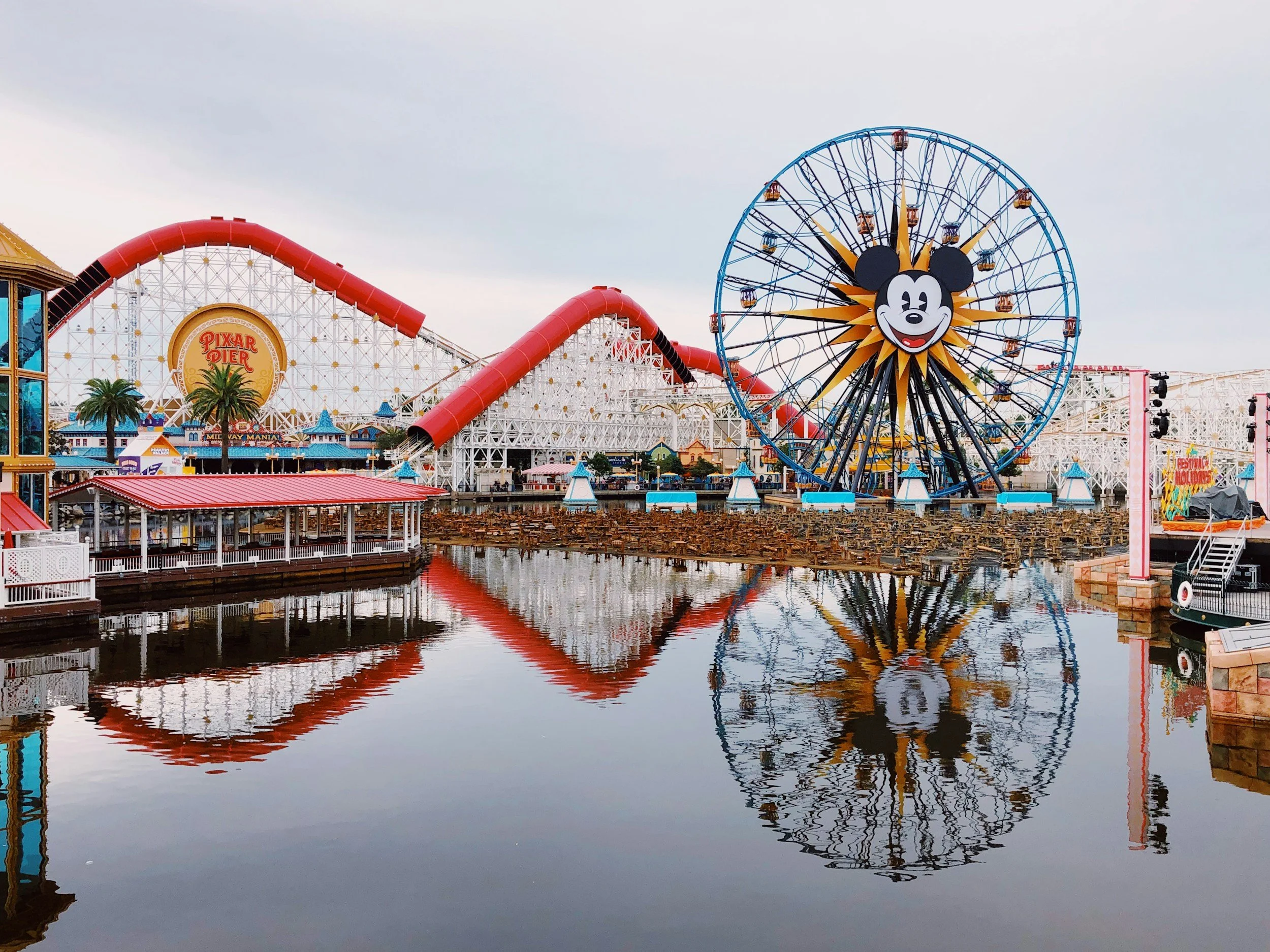
Design a Theme Park
Download your Parent Guide, Student Guide, Resource List and Learning Log – everything you need to begin today.