Tiny-Town Planners
A gentle, interest-led design project for Years 3–4
About this project
Tiny-Town Planners is an 8-week project for learners in Years 3–4 who enjoy small-world play, drawing, building, or thinking carefully about how places work, and who need learning to feel calm, flexible, and low-pressure.
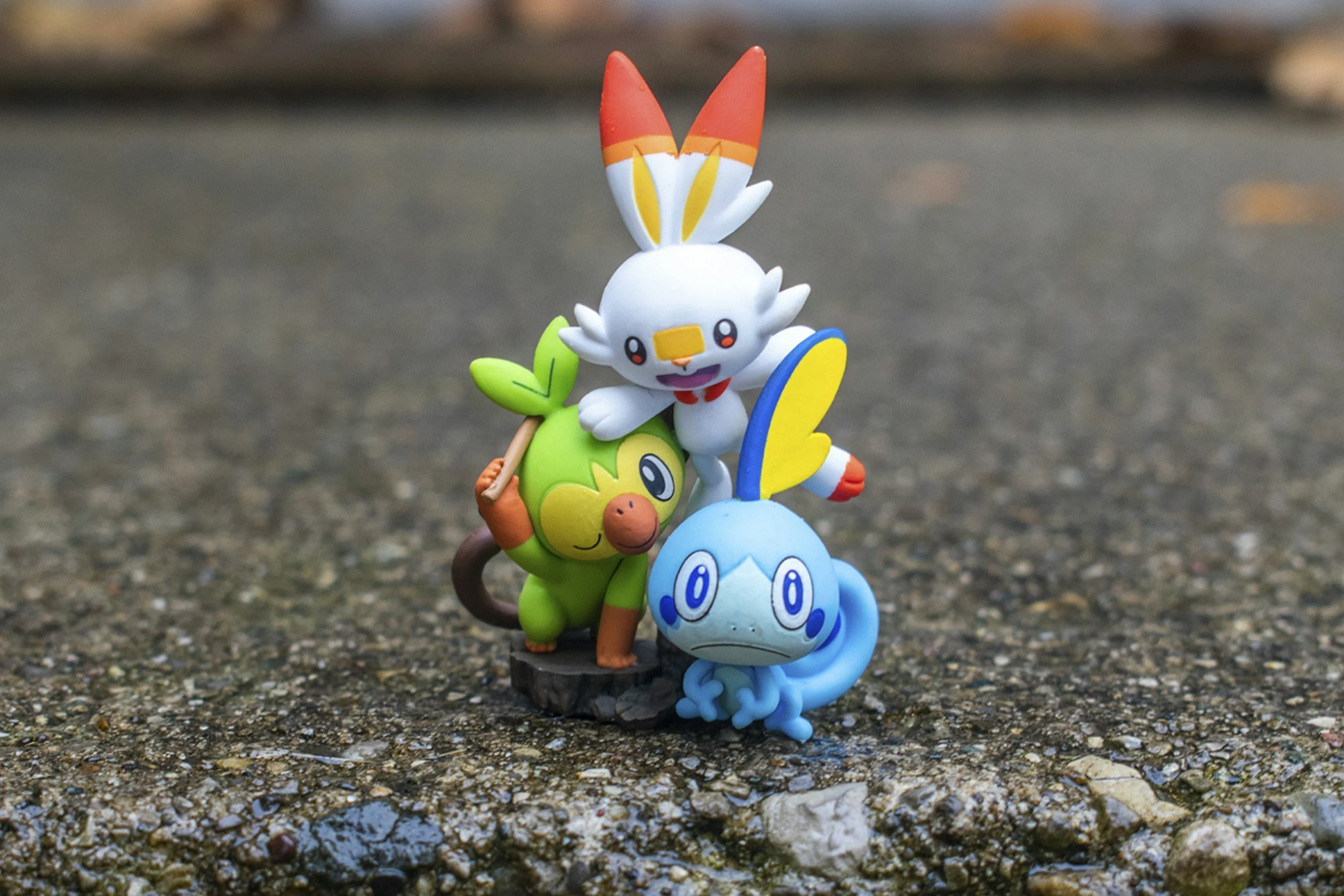
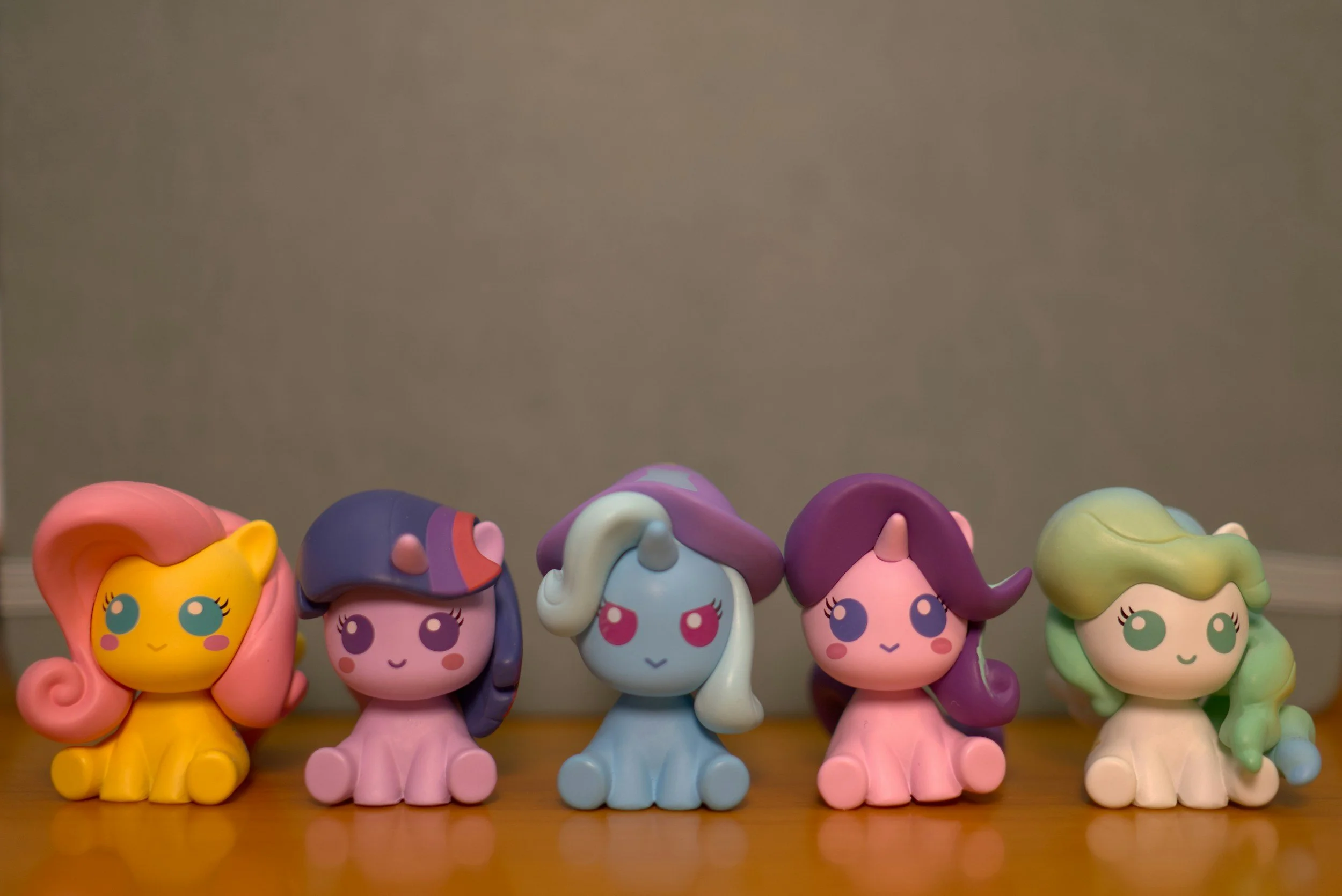
In this project, learners design a small town for tiny residents, such as toys, figurines, or simple characters they make themselves. They consider who lives there, what places are needed, how spaces connect, and how it feels to move through the town over time.
Rather than focusing on building a complete model, learners are invited to explore ideas through drawing, laying things out, moving pieces around, talking through choices, and making small changes as their thinking develops.
Some learners will design a whole town. Others will focus deeply on one place or one pathway. All approaches are fully supported.
How the project works
Tiny-Town Planners unfolds over 8 weeks.
Each week invites learners to:
think about who the town is for
identify places and how they are used
plan layouts and connections
explore movement, distance, and pathways
notice what feels comfortable, calm, or busy
revisit ideas and make small adjustments
Learning may happen through:
small-world play with toys or figurines
drawing, mapping, or sketching layouts
building or outlining spaces with everyday materials
floor-based or table-based layouts
conversation, explanation, and reflection
Some weeks may feel active and hands-on. Others may feel slower or more thoughtful. The project is designed to work with your learner’s interests, energy levels, and pace.
Who this project is for
Learners who need flexibility
This project is intentionally designed to balance structure with choice. There is:
no required final product
no expectation to complete every activity
no pressure to present or explain work
Learners can move at their own pace, pause when needed, or spend longer on areas of strong interest.
This makes it a supportive option for learners who are:
recovering from burnout
easily overwhelmed by demands
anxious about performance
more comfortable designing and making than writing
Learning can happen through play, design, and conversation, without needing to look “school-like”.
Learners with strong special interests
Tiny-Town Planners also offers depth for learners who love:
figurines, dolls, or LEGO-style characters
small-world or role-play games
maps, layouts, and spatial thinking
world-building or design
thinking carefully about comfort, care, and detail
Because learners design for characters they already care about, motivation often comes naturally. Spending several weeks focused on one place, pathway, or idea is welcome.
What’s included
Tiny-Town Planners includes:
Parent Guide
Clear guidance on how the project works, how to support your learner, and how learning may show up, without turning you into a teacher or assessor.Student Guide
Calm, student-friendly pages that invite noticing and exploration without pressure or demands.Registration Pack
Curriculum-aligned language to support homeschool registration.Reporting Pack
Optional weekly pages to help you record learning if and when you need to, even when learning looks informal or quiet.
Curriculum alignment
Tiny-Town Planners is aligned with learning areas across:
Geography
Mathematics
English
Science & Technology
Health Education
Creative Arts
Alignment focuses on opportunities for learning, not on enforcing tasks or outcomes.
A creative project with room to explore
Tiny-Town Planners is deliberately designed to:
support thoughtful, hands-on learning without rushing
honour special interests and small-world play
allow learning to look different from week to week
help parents describe learning clearly, without changing how learning happens at home
It’s a calm, purposeful project - one that can pause, continue, or grow alongside your learner.
Curriculum Versions Available
Tiny-Town Planners is available in both NSW Curriculum and Australian Curriculum versions.
The learning journey is the same in both. Only the assessment and documentation language differs to support different registration requirements.
NSW families: choose NSW Curriculum
Families in other states or territories: choose Australian Curriculum