6 Homeschool Projects for Years 3 - 4
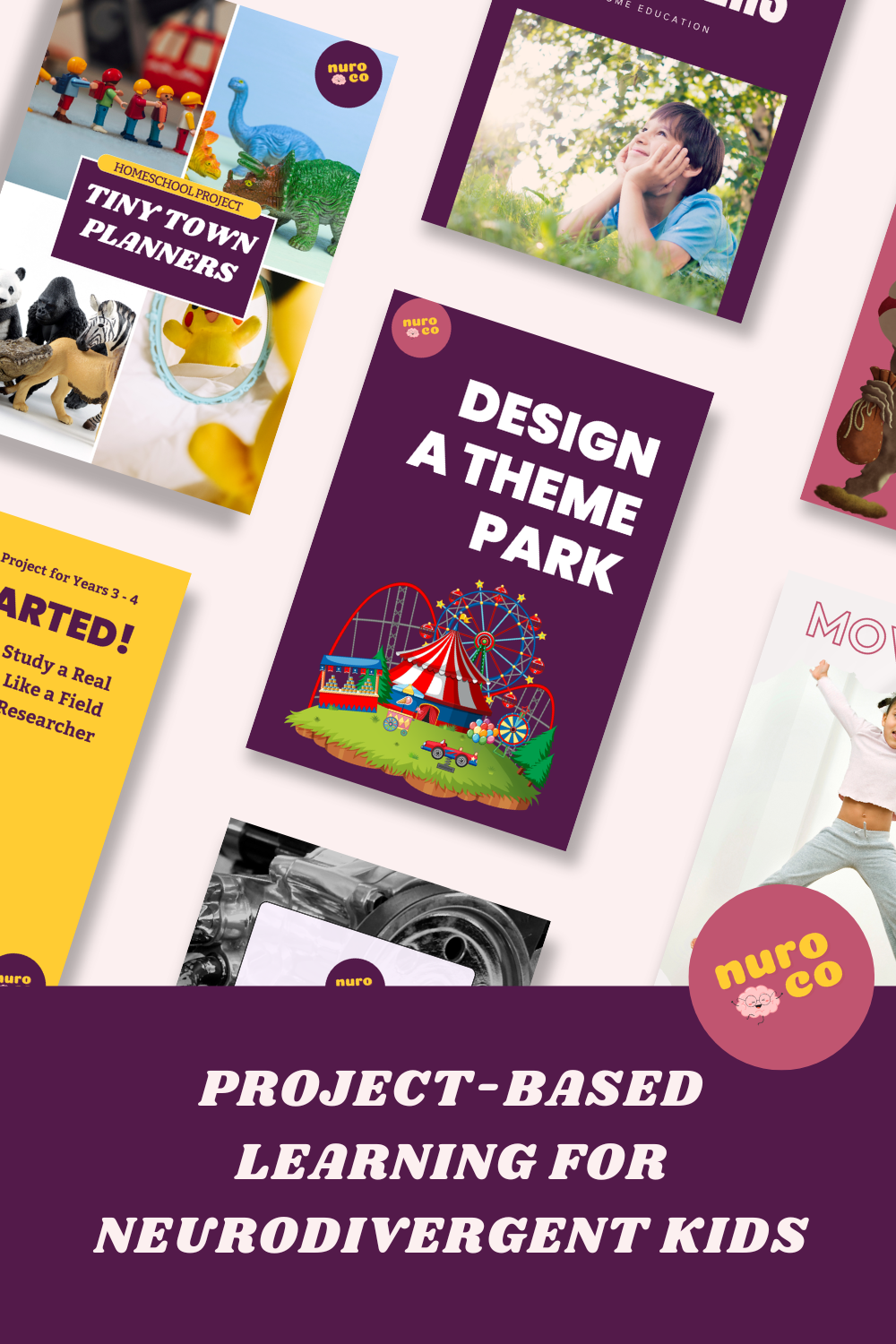
Project-based learning for neurodivergent kids
If you’re homeschooling a neurodivergent child, you’ve probably had moments where everything feels like too much.
Too many subjects. Too many expectations. Too many decisions about what to do next.
And sometimes, a learner who pushes back on anything that feels like “school.”
Project-based learning can ease some of that pressure. Not by adding more structure, but by simplifying things.
Instead of juggling lots of separate pieces, you focus on one idea at a time.
And that’s often where things start to feel more manageable.
And if you’re looking for a simple place to begin, you can start with a free, low-pressure project here:
What project-based learning can look like (in real life)
At its core, project-based learning is simply learning through doing.
Instead of moving through worksheets or isolated tasks, learners explore an idea over time - asking questions, making connections, testing things out, and following their curiosity.
In a neuro-affirming homeschool, that might look like:
working on a project in short bursts, rather than long sessions
choosing how to engage (drawing, talking, building, noting ideas)
pausing when energy is low, and returning later
changing direction as new ideas emerge
Some projects stay open-ended throughout.
Others gradually build towards a final creation or outcome.
Both approaches can be flexible, meaningful, and supportive - it depends on your learner and your current season.
Why this approach works well for neurodivergent learners
Many neurodivergent children struggle not with learning itself, but with how learning is usually structured.
Project-based learning can ease that pressure because it:
allows for autonomy and choice
reduces the demand for constant output
focuses on depth, rather than rushing through topics
makes space for different ways of thinking and expressing ideas
It also creates room for interests to lead the way, which is often where the most meaningful learning happens.
6 gentle homeschool projects (plus a free place to start)
Below are six project-based learning experiences designed for Years 3–4 learners, along with a free project you can start with right away.
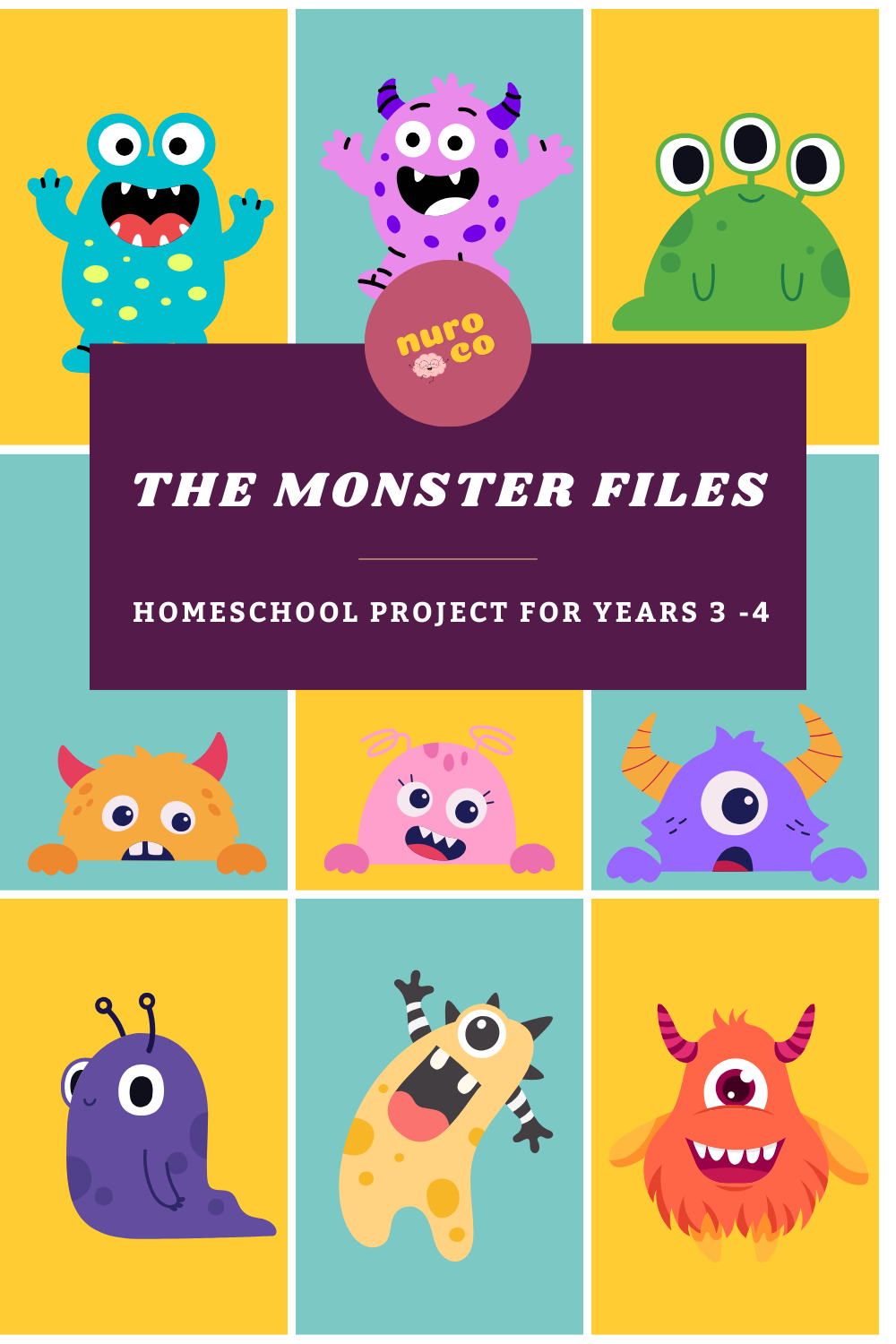
Start here: The Monster Files (free mini project)
If getting started feels hard right now, this is a gentle place to begin.
The Monster Files is a free, four-week project where your learner takes on the role of a “Monster Researcher.”
They might begin by sketching a strange creature, then slowly start to wonder:
How does it move?
Where would it live?
What would it need to survive?
From there, ideas start to connect. Features link to environments. Habits link to needs.
Because the creature is imagined, there’s no pressure to be correct. Your learner can change their mind, follow unexpected ideas, or simply do a small part and stop.
There’s no expectation to finish everything and no need to prepare anything in advance.
Just open, go, and see where it leads.
Nature’s Designers
A quiet, curiosity-led project exploring how design ideas show up in the natural world.
This project is intentionally gentle - well suited to learners who are feeling overwhelmed, anxious, or easing back into learning after a difficult period.
Your learner might start to notice things they’ve never paid attention to before - the way a leaf sheds water, how a bird’s beak matches what it eats, or how shapes and patterns repeat across different environments.
From there, they can begin to ask:
Why is it designed this way?
What problem might it be solving?
How could this idea be used in human design?
This project works well for learners who enjoy:
being outdoors or near nature
noticing small details
following their curiosity at their own pace
There’s no rush, and no pressure to produce something polished - just time to look closely, wonder, and make connections.
Systems & Signals
A project for learners who already love figuring out how things work - especially systems they’re naturally drawn to, like machines, transport, games, or technology.
Your learner might start with something they enjoy learning about - train networks, traffic systems, game mechanics, or even how devices communicate - and begin noticing:
what the parts of the system are
how information or signals move through it
what keeps everything running smoothly
what happens when something changes
Because the focus can stay anchored in something they already care about, this project often feels easier to enter and stay with.
Over time, learners can test ideas, tweak rules, or even design their own systems.
It’s a gentle way into logical thinking and pattern recognition, without needing formal instruction or right answers.
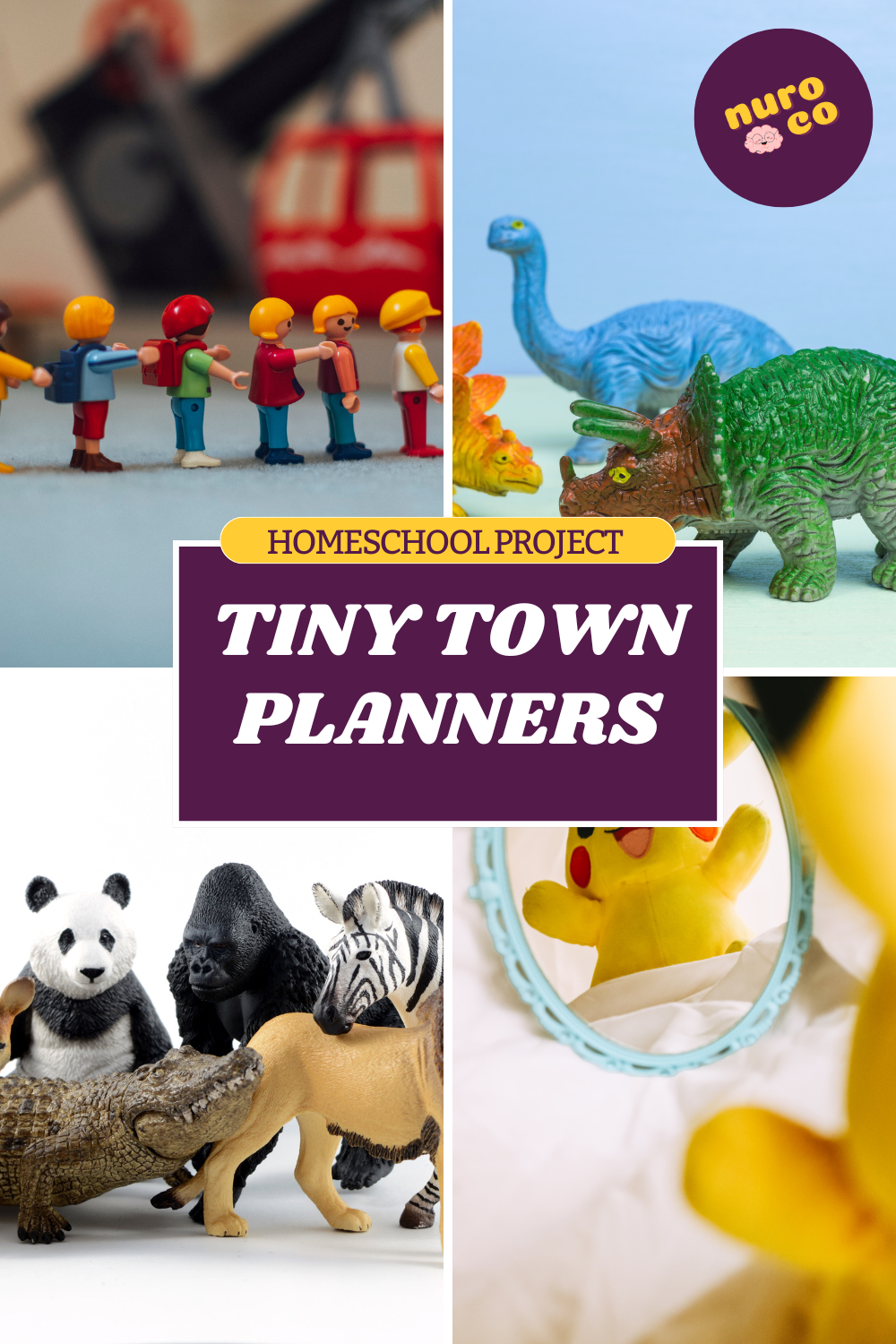
Tiny-Town Planners
A creative design project for learners who already love playing with small worlds - like LEGO builds, dollhouses, Sylvanian Families, or carefully arranged collections.
Your learner might begin with something familiar, a favourite set of characters or tiny figures, and start imagining:
Where do they live?
What does their world need?
How do they move through the space?
From there, they can gradually build out:
homes and buildings
pathways and layouts
shared spaces, including quiet or sensory-friendly areas
Because the project grows from something they already enjoy, it often feels natural to stay with and expand over time.
There’s space to experiment, rearrange, and rethink ideas without any pressure to get things “right.”
The Great Theme Park Project
A highly engaging project for learners who love a particular world, story, or interest - whether that’s a favourite game, show, book, or fandom.
Your learner might begin with something they already care deeply about, then start imagining:
What would a theme park based on this look like?
What kinds of rides or experiences would it include?
How would visitors move through the space?
From there, their ideas can expand into:
different zones or themed areas
maps and pathways
attractions, food, and signage
even quiet or sensory-friendly spaces within the park
Because the project is built around something they already love, it often leads to sustained focus and deep engagement.
For some learners, this naturally grows into a detailed final design over time.
For others, it stays in the idea and planning stage.
Both are valid. The focus is on exploring ideas, not finishing perfectly.
Move It!
A playful, movement-based project designed for active learners - especially those who struggle to stay engaged with seated tasks.
This isn’t a traditional PE-style program.
Instead of being told what to do, your learner takes the lead in designing their own movement challenges, with gentle guidance and support.
They might begin by trying quick, hands-on activities - jumping, balancing, reacting, or moving through space - then start to notice:
what makes something easier or harder
how changing one rule affects the whole activity
which challenges feel fun, frustrating, or just right
From there, they can tweak, redesign, and build their own personalised set of challenges.
Because the learning happens through both movement and design, this project often feels more engaging and meaningful for learners who need to be active to stay regulated.
It’s a way of working with that energy, not against it.
Uncharted!
A grounded, curiosity-led project for learners who are drawn to familiar places - the park they always choose, the same stretch of beach, their backyard, or somewhere they return to again and again.
This project is intentionally calm and low-demand - particularly suited to learners who are feeling anxious, overwhelmed, or recovering from burnout.
Instead of constantly seeking something new, this project invites your learner to go deeper into a place they already know.
Across visits, they might begin to notice:
small changes over time
patterns in people, nature, or movement
details that others might miss
They can follow their own focus - mapping, sketching, documenting, or simply observing.
Because the place is already familiar, it often feels easier to begin and easier to return to.
There’s no fixed outcome, just a gradual deepening of attention and understanding.
A different way to approach learning
For many neurodivergent learners, the challenge isn’t a lack of ability - it’s the way learning is usually structured.
When learning is broken into small, disconnected tasks, it can feel overwhelming, repetitive, or simply not meaningful.
Project-based learning offers a different way forward.
It allows learners to:
stay with one idea for longer
explore it in ways that suit them
take breaks and return when they’re ready
express their thinking in different ways
Some days that might look like drawing or building. Other days, it might be talking, noticing, or doing very little at all.
And all of it still counts.
You don’t need to do everything and you don’t need to recreate school at home.
Starting small - with one simple, low-pressure project - is often enough to shift how learning feels.
If you’d like a gentle place to begin, The Monster Files is designed to make that first step easier.