Project-Based Learning for Neurodivergent Learners
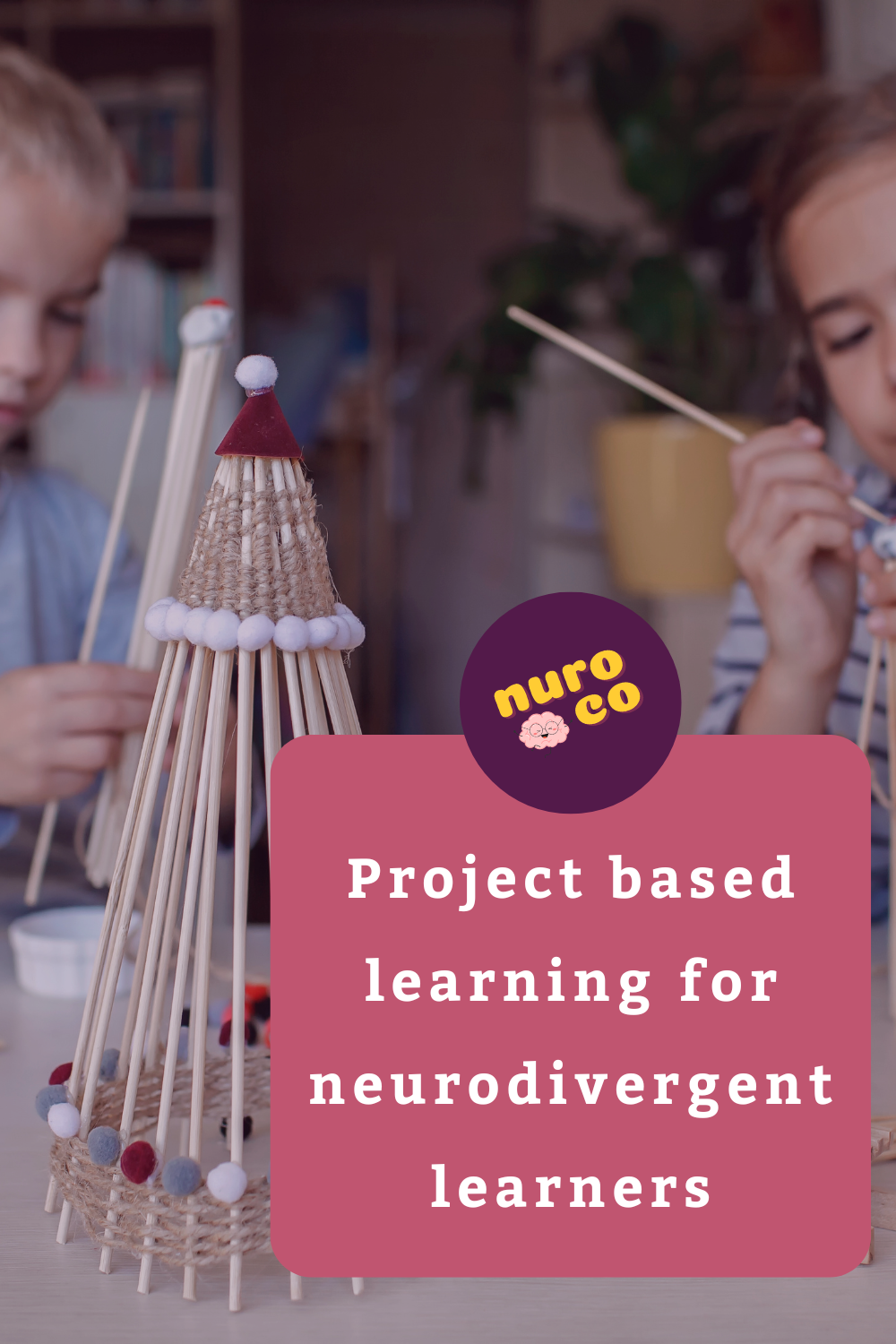
A flexible, low-stress approach
If your learner resists worksheets, becomes overwhelmed by too many instructions, or only engages when something genuinely interests them, you’re not doing anything wrong.
For many neurodivergent learners, traditional approaches to learning can feel exhausting, rigid, or simply irrelevant.
That’s where project-based learning can offer something different.
It’s not a perfect system or a magic fix (there’s no such thing!) But it is a way of learning that can feel more flexible, more meaningful, and far less pressured.
What is project-based learning?
At its core, project-based learning is exactly what it sounds like: learning organised around a project, idea, or question.
Instead of working through isolated subjects or completing disconnected tasks, learners explore a concept over time - thinking, creating, testing, and reflecting as they go.
It might look like:
designing a theme park and calculating ride layouts
creating a fictional species and exploring how it survives
making a zine about identity, interests, or experiences
building a small world, system, or community
Subjects like English, science, maths, and creative arts are still there, they’re just woven into something more meaningful.
Why it works for neurodivergent learners
Project-based learning isn’t inherently neuro-affirming, but when it’s done in a flexible, interest-led way, it can align beautifully with how many neurodivergent learners think and engage.
Autonomy reduces resistance: When learners have some control over what they’re doing and how they’re doing it, there’s often less pushback and more willingness to engage.
Interest increases focus: Many neurodivergent learners focus deeply when something genuinely interests them. Projects create space for that kind of engagement.
Flexible pacing supports regulation: Some days will be productive. Others won’t. Project-based learning allows for pauses, shifts, and slower days without everything falling apart.
Multiple ways to engage: Learners can draw, build, talk, write, design, or experiment, rather than being limited to one format.
No single “right way”: There’s less pressure to produce a specific outcome, which can reduce anxiety and perfectionism.
The problem with how project-based learning is often used
In some settings, project-based learning still ends up feeling rigid.
There can be:
fixed timelines
specific outcomes that must be met
expectations about what the final product should look like
pressure to present or perform
For many neurodivergent learners, that can turn something potentially engaging into something stressful.
At home, you have the opportunity to do this differently.
Project-based learning doesn’t need to be tightly controlled to be meaningful.
What it can look like at home
Project-based learning at home is often quieter, more flexible, and less focused on producing something “impressive.”
It might look like:
sketching ideas across a few days, then leaving the project for a week
talking through ideas instead of writing them down
changing direction halfway through
revisiting a project later with new ideas
A learner designing a theme park might spend most of their time drawing maps and imagining rides.
Another learner might create a fictional creature and explore its environment through diagrams and notes.
Someone else might make a small zine filled with drawings, lists, and thoughts.
All of these are valid forms of learning.
How to start (without overwhelming yourself)
If you’re new to project-based learning, it doesn’t need to be complicated.
A simple way to begin:
Start with a short project (2–4 weeks is enough)
Follow something your learner is already interested in
Don’t try to cover everything at once
Let the project evolve instead of planning every detail
Keep documentation light and manageable
If you’re looking for a place to start, you might explore:
a short science-style inquiry like The Monster Files (Years 3 - 4)
a creative project like Zine Zone (Years 5 - 6)
Both are designed to be flexible, low-pressure entry points into this way of learning. And both are free to download.
What happens next?
If a project like this feels like a good fit, you can move into longer, more in-depth projects that build on ideas over time.
These projects still prioritise:
flexibility
engagement
manageable learning
but offer a pathway across multiple weeks.
A note on progress and “finishing”
Not every project needs to be completed and not every idea needs to turn into a polished outcome.
Learning can happen through:
exploring an idea
changing direction
revisiting something later
or even deciding to stop
What matters is that your learner is thinking, engaging, and making connections over time.
Frequently asked questions
-
It can be, especially when it’s flexible, interest-led, and allows for different ways of engaging. The key is reducing pressure and allowing autonomy.
-
Yes. Projects naturally bring together skills from multiple learning areas. Coverage comes through the experiences within the project, rather than separate tasks.
-
That’s okay. Partial projects still involve thinking, experimenting, and learning. Completion isn’t the only measure of progress.
A different way to think about learning
Project-based learning doesn’t need to be complex to be effective.
When it’s flexible, interest-led, and designed with your learner in mind, it can reduce pressure and make space for genuine engagement.
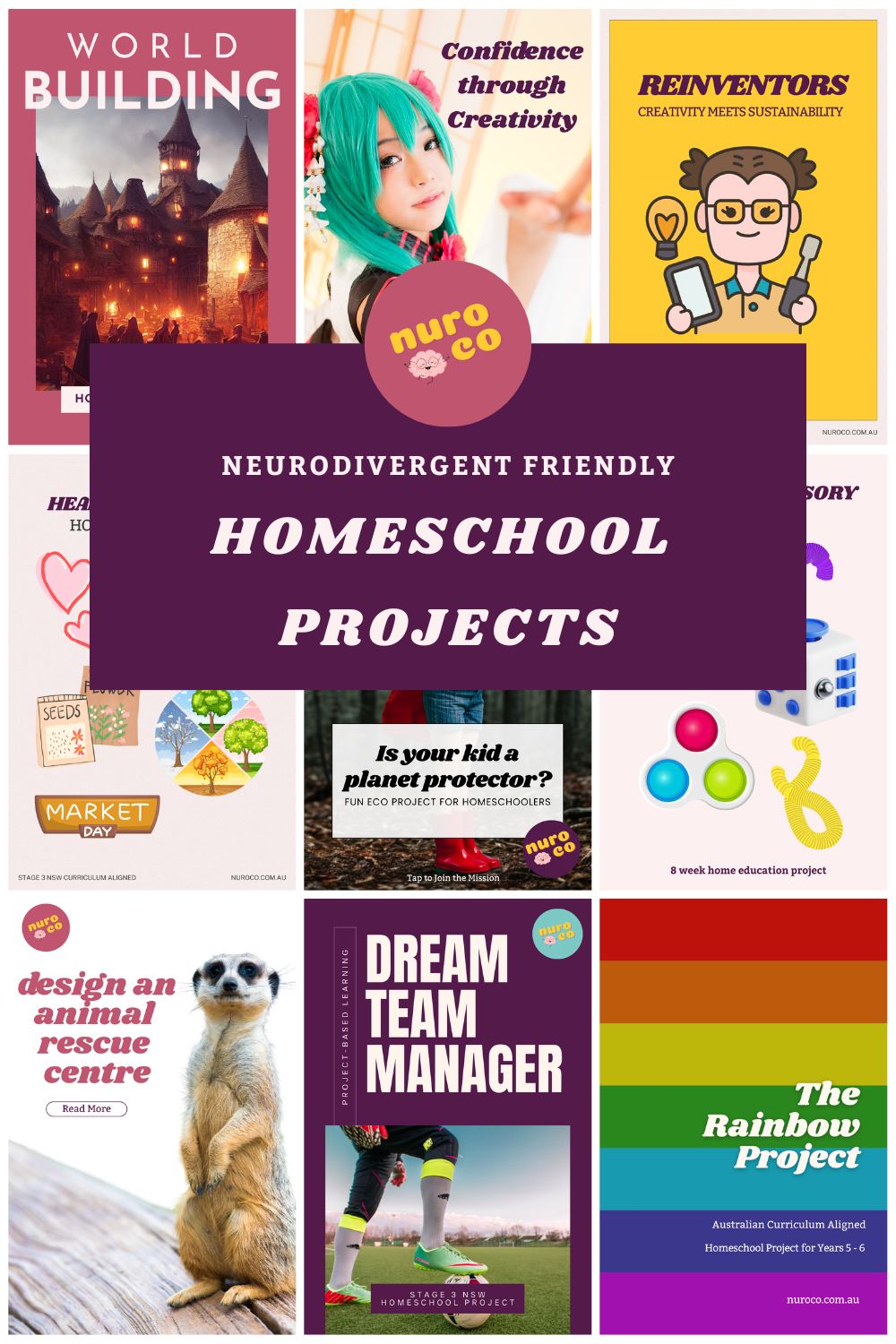
If this approach feels like a better fit, you can explore a range of flexible, project-based units designed for neurodivergent homeschoolers.