The Best Homeschool Curriculum for Creative Kids
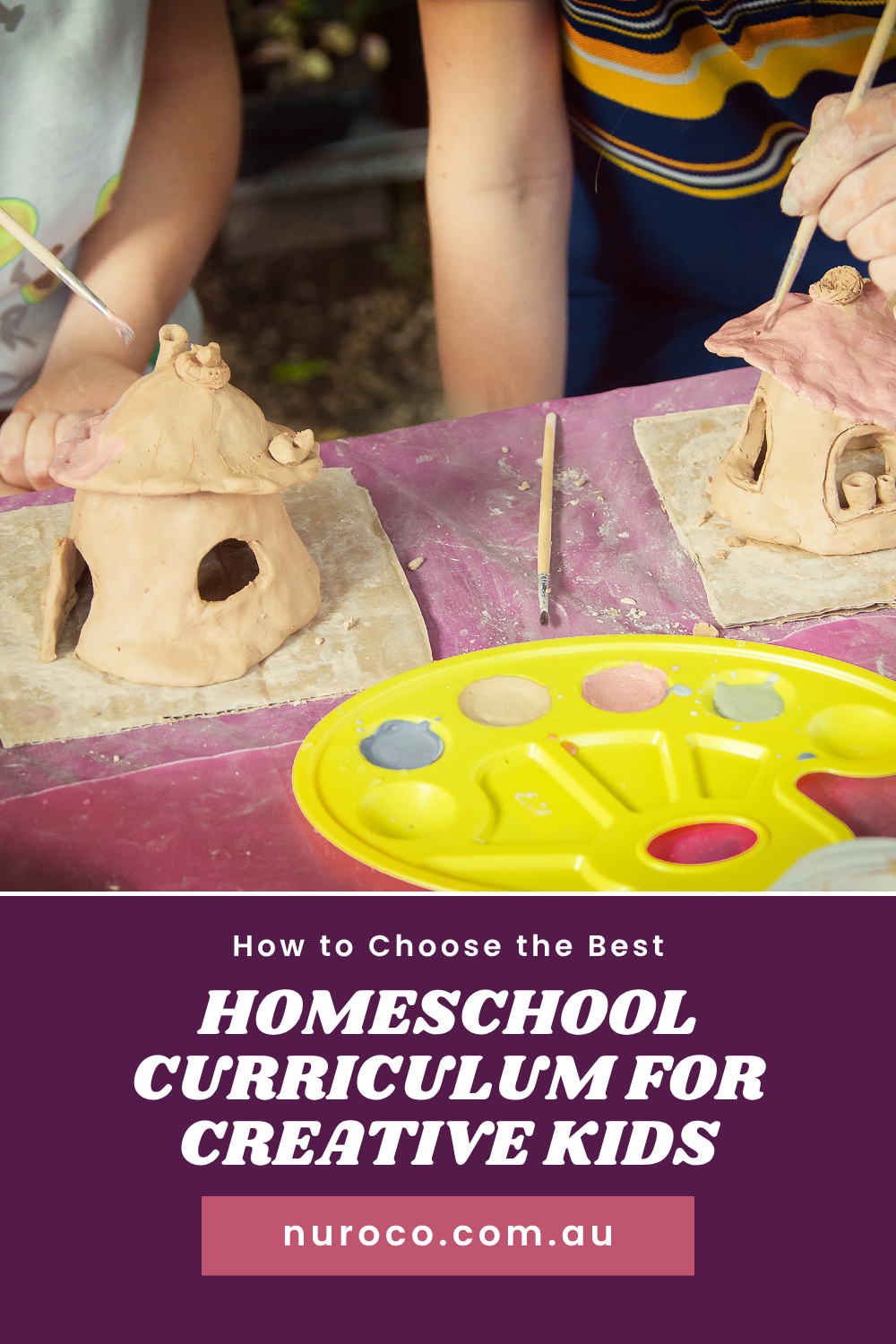
If your child is creative, homeschooling can feel… complicated.
They might spend hours drawing, building, imagining, or designing, and then completely shut down when faced with a worksheet.
You might find yourself wondering:
Why do they resist “school” but happily learn on their own?
Am I doing enough?
Do I need a proper curriculum to make this work?
For many creative learners, the issue isn’t a lack of ability or motivation.
It’s the type of learning being offered.
Why traditional curriculum often doesn’t work for creative kids
Many homeschool programs are designed to be:
structured
sequential
outcome-focused
easy to measure
That works well for some learners.
But for creative kids, it can feel restrictive or even exhausting.
Tasks with one correct answer, tight instructions, or a fixed end point don’t leave much room for:
experimentation
imagination
personal expression
And when those things are missing, engagement often drops quickly.
What creative learners actually need
Creative children tend to thrive when learning feels:
Open-ended: There’s more than one way to respond, create, or explore.
Flexible: They can move at their own pace, pause when needed, or go deeper when something clicks.
Hands-on or idea-driven: They’re making, designing, imagining, or connecting ideas — sometimes through open-ended projects like ReInventors, where the focus is on testing and refining ideas rather than getting a single “right” result.
Low pressure: There’s no expectation to get everything “right” or finish everything.
This doesn’t mean learning is unstructured. It just means the structure is gentler and leaves space for the learner.
What to look for in a homeschool curriculum for creative kids
If you’re choosing a curriculum, it can help to look beyond subject labels and ask:
Does this allow my child to approach tasks in their own way?
Are there opportunities to create, design, or imagine?
Can we skip, pause, or adapt parts without everything falling apart?
Does this reduce my workload or add to it?
Will my child feel safe to try ideas without being “wrong”?
A good fit often feels less like “delivering content” and more like supporting exploration, something many families look for in longer-form, flexible projects like Hearts & Harvests.
A different approach: project-based learning
One approach that works particularly well for creative learners is project-based learning.
Instead of moving through isolated lessons, learners explore a theme or idea over time, building understanding through:
drawing
designing
experimenting
writing
making connections
Projects like The Monster Files or Nature’s Designers allow learners to follow ideas, revisit them, and gradually build understanding rather than moving on as soon as a task is complete.
There’s still learning happening across subjects like English, science, and maths, but it’s woven into the project in a more natural way.
And importantly, learners can engage at their own level, in their own style.
Examples of creative homeschool projects
If you’re looking for something that supports this kind of learning, here are a few examples of project-based approaches.
For learners who enjoy observing and noticing
Projects like Nature’s Designersfor Years 3 & 4 invite learners to explore patterns in the natural world and think about how living things are designed to function.
Learners might sketch, label, compare, or build ideas based on what they notice, making connections between nature, design, and everyday life.
This works well for learners who prefer quiet, focused exploration.
For world-building and systems thinkers
Projects like Hearts & Harvests for Years 5 & 6 invite learners to design their own world, thinking about how systems connect — from environments to resources to daily life.
This kind of project naturally brings together science, maths, and creative thinking without forcing it.
For hands-on makers and tinkerers
Projects like ReInventorsfor Years 5 & 6 focus on building, experimenting, and creating with a wide range of materials.
Learners test ideas, adjust their designs, and explore what works, often without needing to write much at all.
A gentle place to start (free and flexible)
If you’re not sure what will suit your learner, it can help to start small.
The Monster Files is a free, four-week mini project for learners in years 3 -4, where they investigate an imagined creature and think about how it might live and survive.
Because the creature is imaginary, there’s no pressure to be correct - which makes it easier for many learners to:
take risks
share ideas
explore scientific thinking
It’s often a helpful way to see how your learner responds to this style of learning.
If your learner is in Years 5 or 6, don’t worry! We have a free project just for them.
You don’t need to force a fit
One of the hardest parts of homeschooling a creative child is the feeling that you need to make them fit a particular model of learning.
But often, things become much easier when the learning fits them instead.
Creative learners aren’t behind.
They’re often thinking deeply, noticing details, and making connections - just in ways that aren’t always captured by traditional curriculum.
If you’re looking for something that feels different
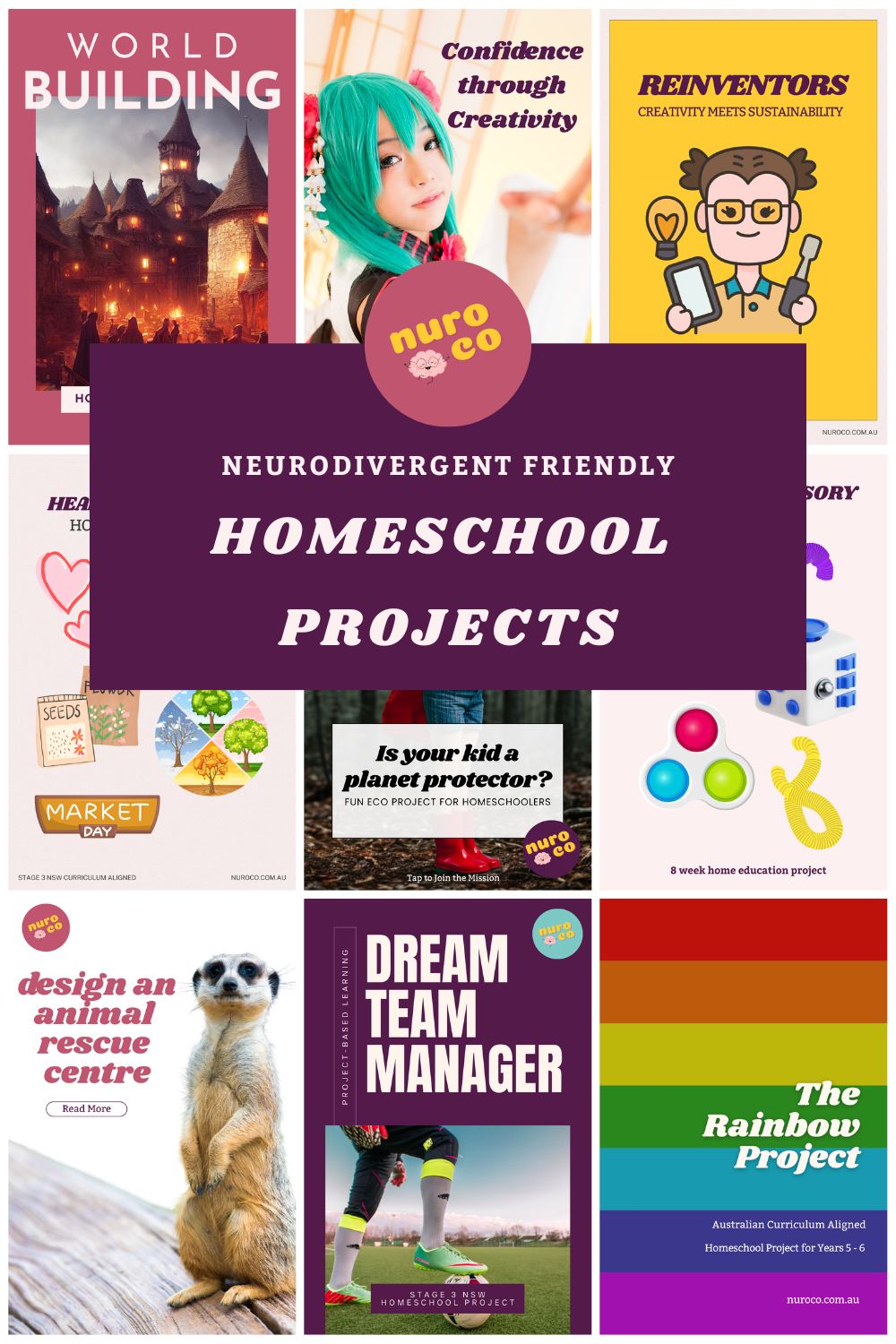
If you’re looking for flexible, creative, low-pressure homeschool projects, you can explore the full nuro co collection here.
Each project is designed to be:
interest-led
adaptable
gentle in structure
and engaging without busywork
So your child can think, create, and explore, without feeling boxed in.