Spotlight: The Great Theme Park Project (Years 3–4)
What is The Great Theme Park Project?
This is a hands-on home education project for Years 3–4 (Lower KS2), designed to support creativity, problem-solving, and deep engagement.
Over eight weeks, learners design their own theme park. Not just rides, the whole park.
They might:
imagine a theme inspired by something they love
plan layouts and zones
design rides or games
create maps, signs, or tickets
invent shops, food stalls, or souvenirs
think about how visitors move through the space
design calm or sensory-friendly areas
Some learners will build models with LEGO or recycled materials. Others will draw, map, talk, or design digitally.
There is no requirement to finish everything, and no expectation that learning looks the same from week to week.
Explore The Great Theme Park Project here.
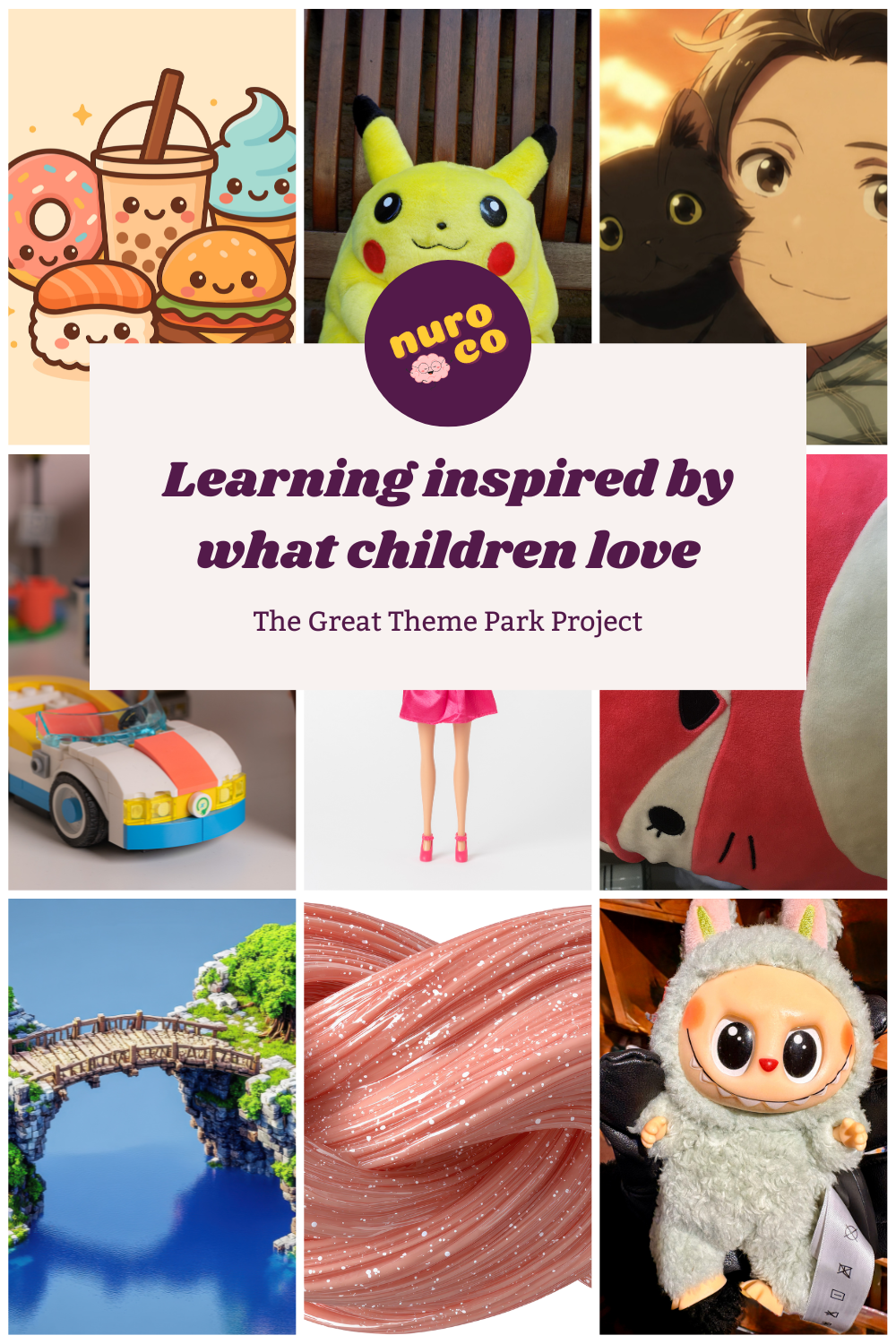
Learning inspired by what children love
One of the strengths of this project is that learners are encouraged to theme their park around their own interests.
That might be:
a favourite game or digital world
animals or nature
fantasy or mythology
colours, moods, or sensory experiences
an entirely original idea
When learning connects to something a child already cares about, motivation tends to follow naturally, without needing rewards, pressure, or persuasion.
The project is structured enough to give direction, but open enough to let curiosity lead.
Hands-on, but still gentle
Although this is a practical, design-focused project, it’s intentionally not busy or demanding.
Some weeks may feel very hands-on and energetic. Others may be quieter and focused on thinking, planning, or talking ideas through.
Learners can:
pause when needed
skip activities that don’t fit
spend longer where interest is strong
move on quickly where it’s not
There’s no final product to perform or present, and no pressure to explain learning in a particular way.
Who is this project a good fit for?
The Great Theme Park Project works especially well for learners who:
enjoy building, designing, or world-building
are motivated by imagination and play
feel overwhelmed by rigid tasks or expectations
prefer learning through doing, drawing, or talking
benefit from flexibility around pace and output
It’s also a supportive option for children recovering from school burnout, or those who need learning to feel lighter and more responsive.
Support for home-educating parents
Each project includes:
a Parent Guide explaining how the project works and how learning may show up
a Student Guide written directly to the learner in calm, invitational language
a Resource List with suggestions for supporting tools and materials
a Learning Log for families who choose to keep records
Recording learning is optional. When families do choose to keep notes, small observations are enough.
The focus is always on supporting learning, not turning home education into school at home.
Ready to explore The Great Theme Park Project?
If your learner loves building worlds or following big creative ideas, this project gives them room to explore those interests in a meaningful, low-pressure way.
Explore The Great Theme Park Project for your Lower Key Stage 2 child.