Why Designing for Tiny Residents Changes Everything
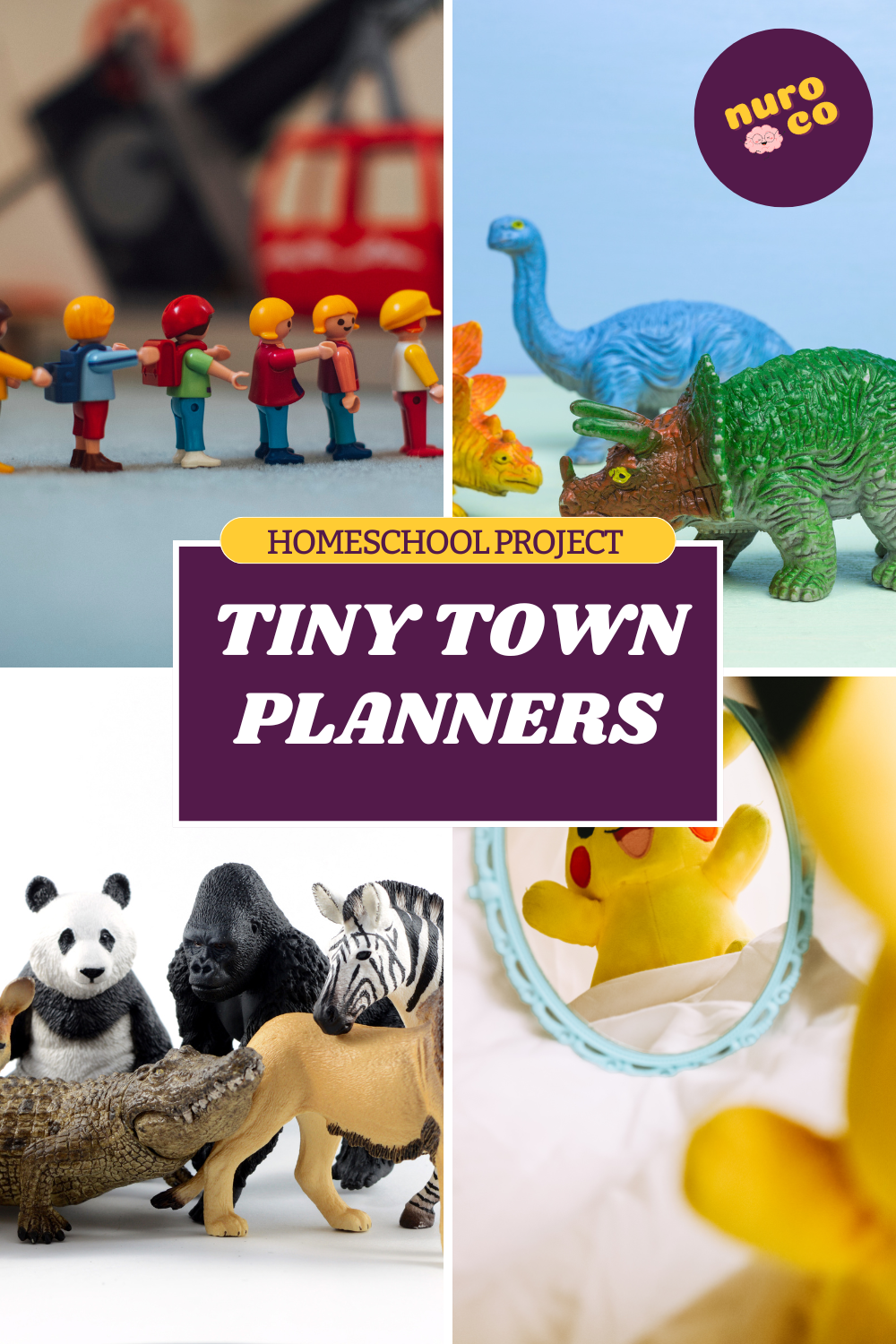
Does your child have a favourite tiny character or figurine they love to play with?
Tiny-Town Planners doesn’t begin with a map or a model. It begins with something they already care about - a LEGO minifigure, a Sylvanian Families character, a Sanrio figurine, or any small toy that already has a name and a story. Designing a place for something familiar and loved changes how learners approach the task, shifting the focus from what should I make? to what would work for them?
Designing for someone small
When learners design for tiny residents, the focus shifts. Instead of asking “What should I make?”, they begin asking questions like:
Where would they feel comfortable?
How far is too far to travel?
What happens if a place gets busy?
Where would they rest?
These aren’t abstract questions, they’re practical, caring ones.
Designing for someone small makes details matter. It encourages learners to pause, notice, and think from another perspective, without needing a formal lesson on design thinking.
Special interests are the starting point, not a distraction
Many children have deep attachments to small worlds and tiny characters.
They already:
know how their figurines move
understand what they like and dislike
care about fairness, comfort, and detail
Tiny-Town Planners doesn’t ask learners to set those interests aside. It invites them in.
When the “client” is a beloved character, motivation doesn’t need to be manufactured. Learners are naturally invested in making choices that feel right for their residents.
This is especially powerful for learners who struggle to engage with open-ended tasks — because the task no longer feels abstract. It feels personal.
Thinking often needs space
Designing for tiny residents doesn’t stay on the page.
Learners naturally:
spread ideas out across the floor
move places closer together or further apart
act out journeys with their characters
outline spaces with tape or string
rearrange, pause, and try again
In Tiny-Town Planners, learning is allowed to happen on the floor, at a table, or through movement and play. Drawing, building, talking things through, and imagining are all valid ways to think.
There’s no requirement to sit still, because thoughtful design rarely does.
A town doesn’t need to be finished to be meaningful
One of the most important ideas behind Tiny-Town Planners is that learning doesn’t need a neat ending.
Learners might:
focus deeply on one place instead of a whole town
revise the same idea over several weeks
stop with something still in progress
change their mind entirely
When the emphasis stays on noticing, testing, and responding - rather than producing a final product - learners can move at their own pace without pressure.
Who this project suits especially well
Tiny-Town Planners works beautifully for learners who:
love figurines, LEGO, dolls, or small worlds
think best by moving, rearranging, or acting things out
feel overwhelmed by “make a model” expectations
benefit from gentle structure and clear starting points
need permission to stop, restart, or go slow
It’s designed to be flexible, calm, and responsive, without losing depth.
Tiny-Town Planners is ready
Tiny-Town Planners isn’t about building the best town.
It’s about noticing what makes a place work:
for someone small,
for someone loved,
and for the learner doing the designing.
If that sounds like a good fit for your family, Tiny-Town Planners is ready when you are.