A Creative Homeschool Project About Identity, Fairness, and Inclusion
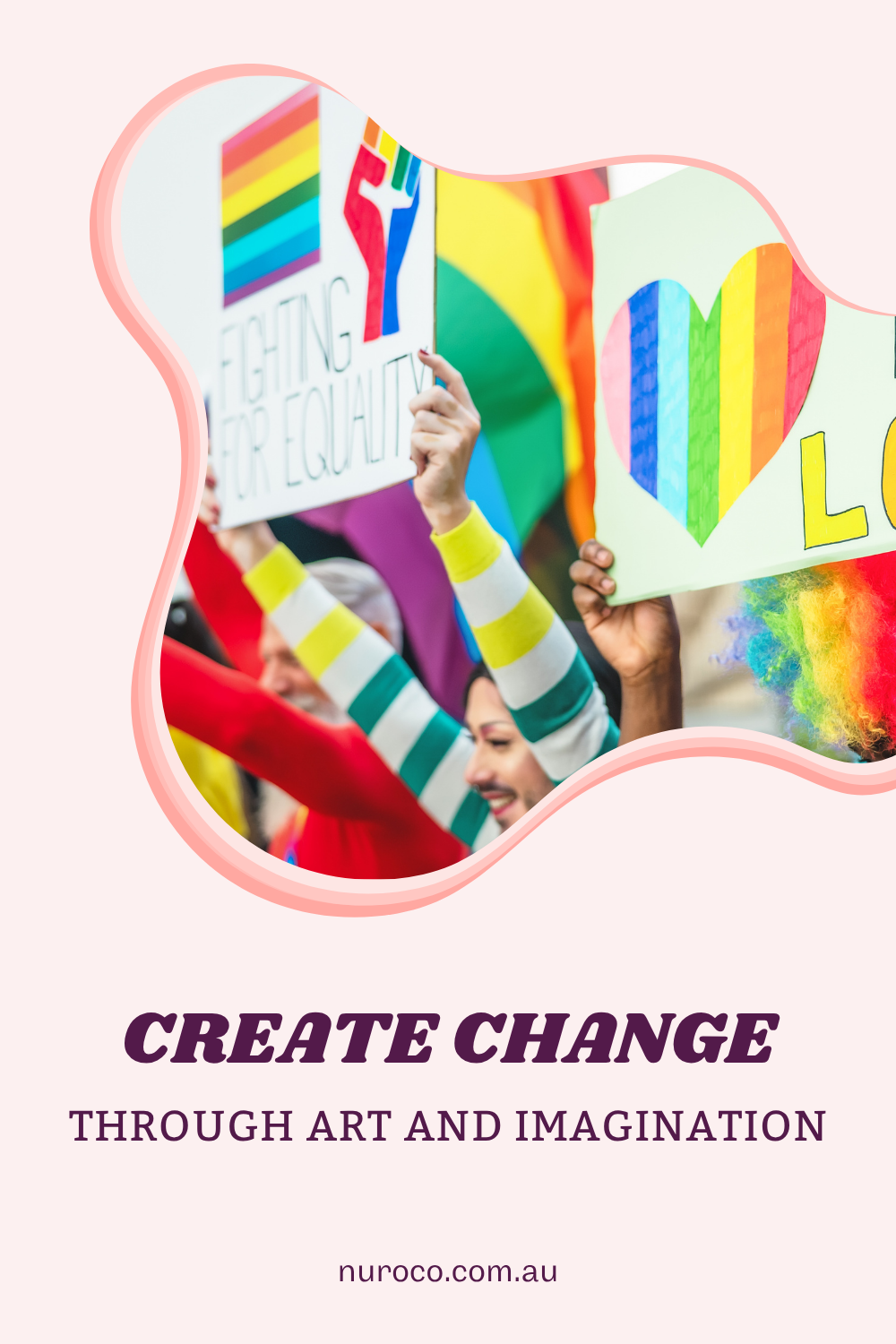
The Rainbow Project
Some learners care deeply about fairness long before adults expect them to.
They notice who gets left out.
They ask difficult questions.
They care about identity, belonging, and whether people are treated kindly.
But a lot of educational resources around these topics feel overwhelming or too rigid.
The Rainbow Project was designed differently.
This 8-week creative project gives learners space to explore fairness, identity, representation, and human rights through art, storytelling, design, research, and reflection — in a way that feels thoughtful, flexible, and emotionally safe.
Instead of memorising facts or completing worksheets, learners create meaningful work connected to ideas that matter to them.
What It’s All About
The Rainbow Project helps learners see that fairness isn’t just a topic for history books — it’s something we can shape every day.
Each week brings a new theme and creative challenge: from exploring human rights and identity, to learning about LGBTQIA+ history in Australia, to designing inclusive spaces and stories where everyone belongs.
Through posters, zines, maps, and multimedia projects, learners discover how creativity, mathematics, and technology can all become tools for advocacy.
The project is flexible and neuro-affirming, designed for learners who thrive when learning feels personal, purposeful, and expressive. Every activity offers multiple ways to respond — from art and audio to digital storytelling — so every learner can share their voice in their own way.
A Gentle, Flexible Approach
The Rainbow Project was designed especially for learners who connect best when learning feels personal, creative, and purposeful.
Activities are open-ended and flexible, with multiple ways to participate:
drawing
digital design
audio recording
storytelling
collage
writing
discussion
Learners can respond in ways that suit their communication style, energy levels, and interests.
Topics are introduced gently and thoughtfully, without pressure to debate, disclose personal experiences, or engage beyond what feels comfortable.
Who This Project Is For
The Rainbow Project may be a good fit for learners who:
care deeply about fairness and inclusion
enjoy art, storytelling, or digital creativity
ask big questions about identity and the world
feel disconnected from traditional worksheet-heavy learning
thrive when learning feels meaningful and self-directed
Families may choose this project because their learner wants to feel more seen in their learning — or because they want opportunities to explore diversity and identity in thoughtful, age-appropriate ways.
You Don’t Need to Be an Expert
The project is designed to guide learners gently through each topic with clear prompts, flexible activities, and supportive framing.
You don’t need specialist knowledge to facilitate it — just openness, curiosity, and a willingness to explore alongside your learner.
What Learners Create
Across the project, learners might:
create posters, zines, podcasts, or digital artwork about fairness and human rights
explore identity through storytelling, character design, collage, or multimedia projects
investigate LGBTQIA+ history and changemakers in Australia and beyond
design inclusive spaces using mapping, measurement, and creative planning
build a final exhibition using digital or physical media
Learning Along the Way
While creating their project, learners naturally build skills across:
research and communication
mapping and data representation
digital design and multimedia creation
persuasive and reflective writing
creative problem-solving
geography, civics, and human rights understanding
Designed for Neurodivergent Learners
Every activity includes neuro-affirming adjustments:
Flexible response modes — drawing, voice, typing, or digital design
Scaffolded reflection prompts and choice-driven tasks
Gentle framing for emotionally complex topics
This is a project where learners can connect emotionally and intellectually, at their own pace, in a way that feels safe, expressive, and empowering.
A Different Kind of Learning Experience
The Rainbow Project isn’t about memorising the “right” answers.
It’s about giving learners space to think, create, question, and express themselves in ways that feel genuine.
By the end of the project, your learner will have created a personal collection of meaningful work — and explored how creativity, empathy, and advocacy can shape the world around them.
If you’re looking for a flexible, neuro-affirming project that approaches identity and fairness with care, creativity, and depth, you can explore The Rainbow Project here: The Rainbow Project.