Story-Driven STEM for Creative Thinkers

Part 4 of the nuro co STEM series
Some neurodivergent learners connect with STEM through building, coding, or experiments. Others connect through stories.
They think in:
characters
maps
timelines
creatures
worlds
fandoms
imagined ecosystems
narrative arcs
visual scenes
For these learners, story is the anchor - the way they understand, explore, and organise the world. And that means STEM becomes far more meaningful when it grows from the worlds they’re already creating.
Your imaginative learner is already doing STEM, just through a story-first lens.
Why story-driven STEM works for many ND learners
Many neurodivergent kids:
understand the world visually or narratively
think in patterns and connections
prefer concrete or imaginative anchors over abstract concepts
love deep dives into fictional settings
build systems intuitively when world-building
thrive when learning feels meaningful and safe
Story-driven STEM taps directly into these strengths. It doesn’t ask them to switch modes, it uses the mode they’re already in.
What story-driven STEM looks like
Story-driven STEM isn’t about adding an academic layer to a story. It’s about letting a learner’s imagination become the context for STEM thinking.
It feels like:
sketching a creature and exploring how it moves
creating a village and learning how water flows through it
designing a spaceship and thinking about energy sources
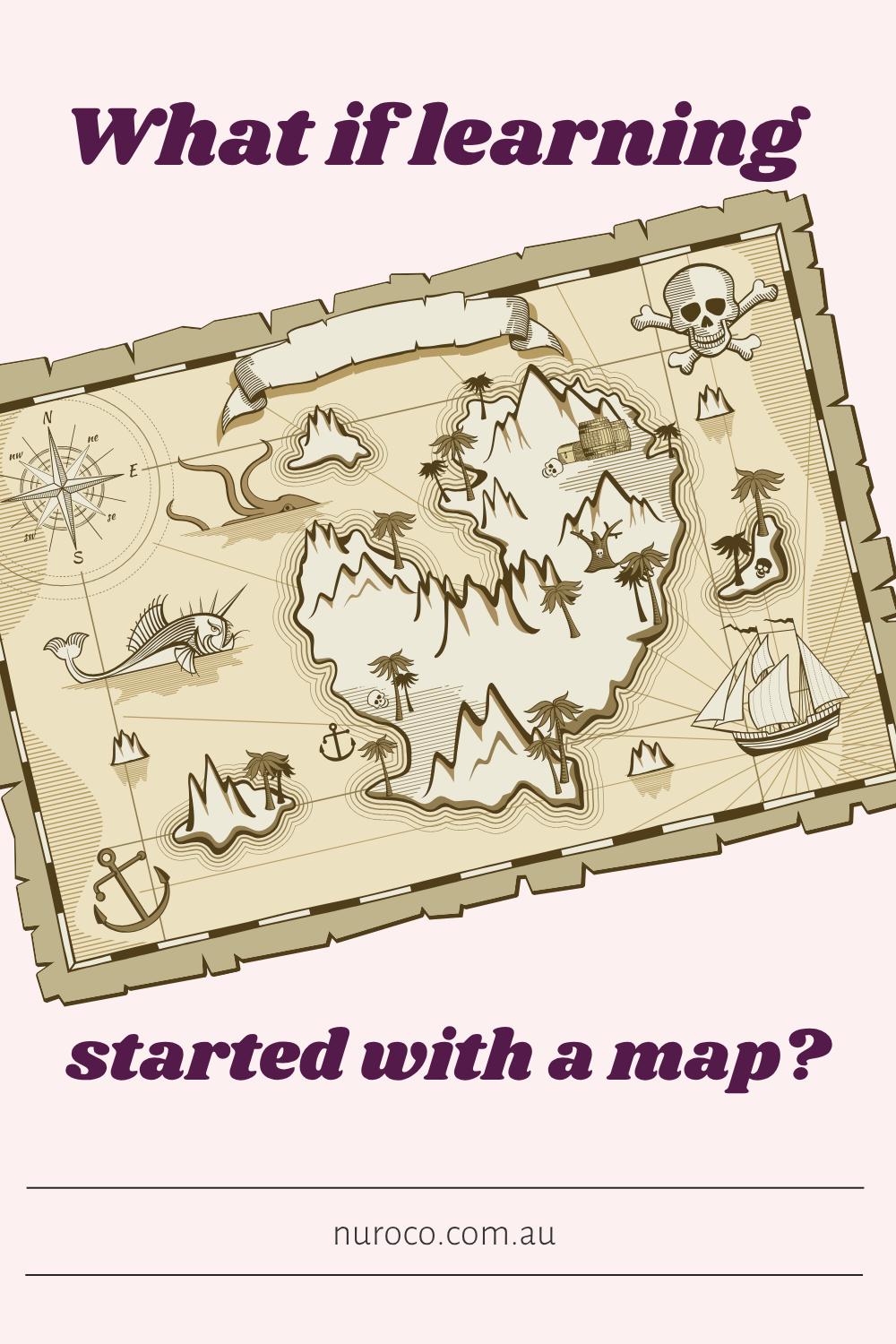
building a map and imagining weather patterns
crafting a costume and testing materials
planning a fantasy biome and exploring adaptations
imagining how a world’s seasons work
It’s STEM that feels like play.
Story-Driven STEM Ideas by Interest
If your learner loves world-building (maps, ecosystems, lore)
Ideas:
Draw a world map and explore landforms, climate zones, rivers, and ecosystems
Decide how weather systems work in their world and track changes
Create a seasonal calendar for their fictional environment
Design natural resources and explore what they’re used for
Map out where different creatures or cultures live and why
STEM behind it: Earth science, geography, ecology, systems thinking.
If your learner loves creating creatures (dragons, aliens, hybrids)
Ideas:
Explore how their creature moves (wingspan, gait, limbs, balance)
Design a food chain or habitat that supports it
Investigate adaptations - armour, camouflage, senses
Test materials for building a model or prop
Sketch variants and compare strengths/weaknesses
STEM behind it: biology, physics of movement, biomechanics, evolution concepts.
If your learner loves cosplay, costume design, or props
Ideas:
Test fabrics or materials for durability, flexibility, comfort
Explore how to make lightweight props (materials science)
Compare adhesives or fasteners
Create patterns mathematically (shapes, symmetry, measurement)
Add simple electronics (LEDs, switches)
STEM behind it: materials science, engineering, geometry, circuits.
If your learner loves fandoms, character design, or storytelling
Ideas:
Design character homes or environments and explore architectural stability
Test how a character’s tools, weapons, or gadgets might work (minus anything violent)
Explore costume materials, textures, and movement
Create “rule systems” for magic or powers using logic
Use coding to animate simple scenes or characters
STEM behind it: physics, logic, design thinking, engineering principles.
If your learner loves gaming, especially world-based games
Many neurodivergent learners explore STEM intuitively through games, especially open-world or story-based games like Minecraft, Stardew Valley, Zelda, or Roblox. These games offer systems to understand, worlds to design, resources to manage, patterns to notice, and environmental cause-and-effect to explore. It’s a gentle, low-pressure way for learners to engage in STEM thinking without it feeling like a lesson.
Ideas:
Build a game map based on geography principles
Explore resource systems (economy, energy, materials)
Create logic chains or simple code
Play with physics in game-building engines
Track patterns or stats in gameplay
STEM behind it: modelling, systems analysis, coding, physics, maths.
If your learner loves drawing, visual art, or comics
Ideas:
Draw cross-sections of buildings, plants, machines, or fantasy objects
Explore patterns, symmetry, proportions, or scale
Create diagrams or charts for their story world
Track colour blending or material behaviour
Observe real-world references for fictional designs
STEM behind it: geometry, proportion, observation, visual modelling.
If your learner loves dolls, figurines, or imaginative play
Ideas:
Build small structures and test stability
Create simple pulley or lever systems
Design environments or landscapes
Experiment with light sources to create scenes
Sort and classify miniature objects
STEM behind it: physics, engineering, classification, light and shadow.
How story-driven STEM supports regulation
For many neurodivergent learners, imagination is a safe space. It’s a place where:
they have control
the rules feel predictable
they can go deep without interruption
sensory input is manageable
mistakes don’t feel threatening
Story-driven STEM respects this. It invites learning into a space where the learner already feels grounded.
A gentle reminder
If your child doesn’t connect with “traditional STEM,” there is absolutely nothing wrong with them, or with you. They may simply connect through story, creativity, and imaginative meaning-making instead.
Story-driven STEM shows us that:
creative thinking is STEM
world-building is systems thinking
creature design is biology
costume-making is engineering
map-making is geography and maths
storytelling is logic, patterning, and modelling
Your learner isn’t avoiding STEM. They’ve already been doing it, just through a different doorway.
What’s next in the STEM Series?
Coming up: