

Creative Ways to Explore Geography and History Without a Textbook
Discover 10 creative, hands-on ways to explore geography and history without worksheets or textbooks. Perfect for interest-led and neurodivergent homeschool learners.
What Kids Can Learn from Stardew Valley (and How to Bring Those Ideas Into Homeschooling)
From seasons and sustainability to community and systems thinking, discover why Stardew Valley offers rich learning opportunities for homeschoolers.

If Your Child Loves Games, Try This Next
Try this simple game activity for homeschool kids. Start with a game they already know, change one rule, and see what happens. A low-pressure idea for curious learners.
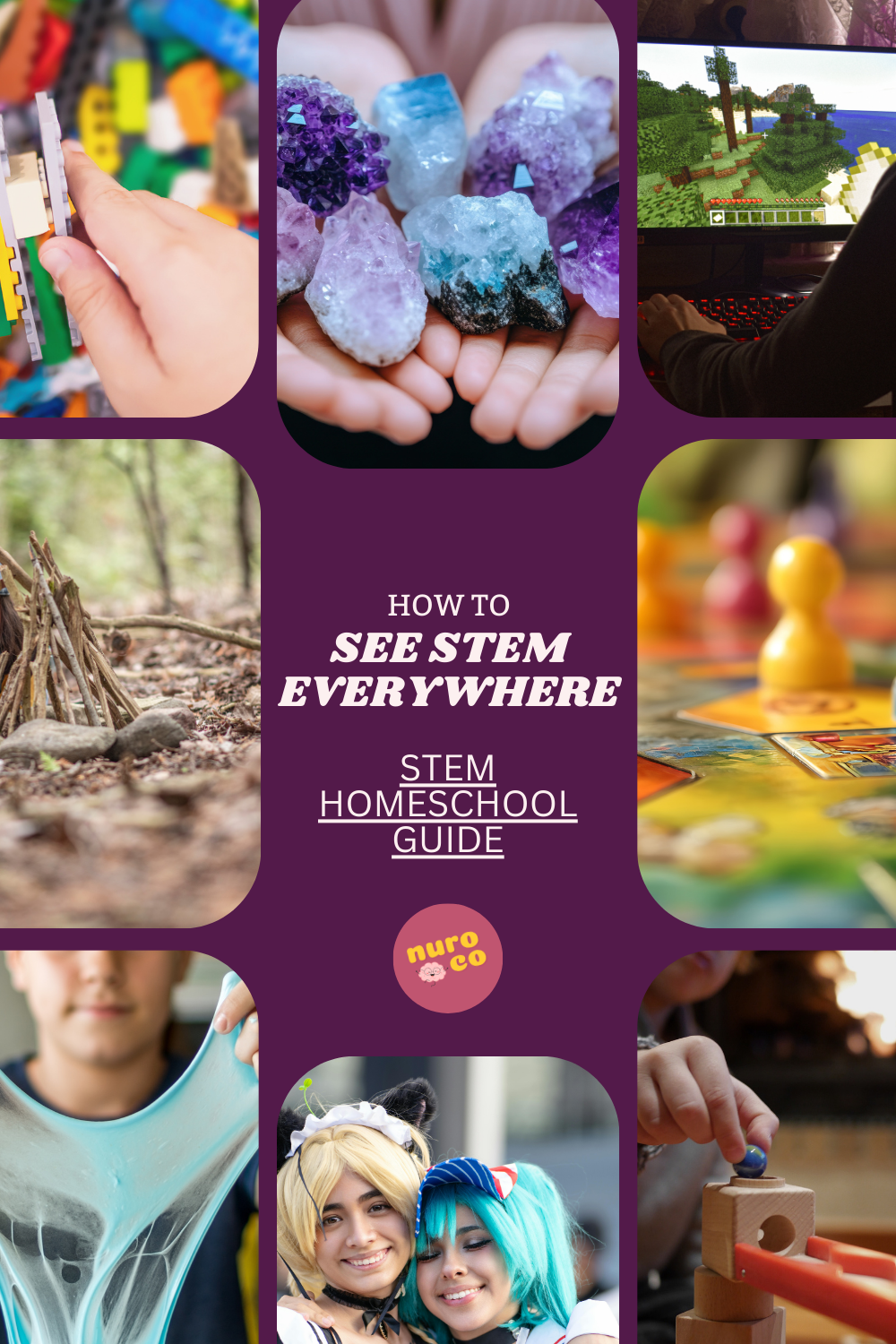
How To See STEM Everywhere
Discover how to notice the rich STEM learning your neurodivergent child is already doing through play, creativity, gaming, nature, building, and everyday curiosity. A warm, reassuring guide to recognising authentic STEM thinking at home — no worksheets required.
Gameschooling STEM for Neurodivergent Learners
Discover how digital and board games can gently support STEM learning for autistic and ADHD kids. This warm, low-pressure guide explores gameschooling as a neuro-affirming way to build logic, problem-solving, systems thinking, and curiosity through play.
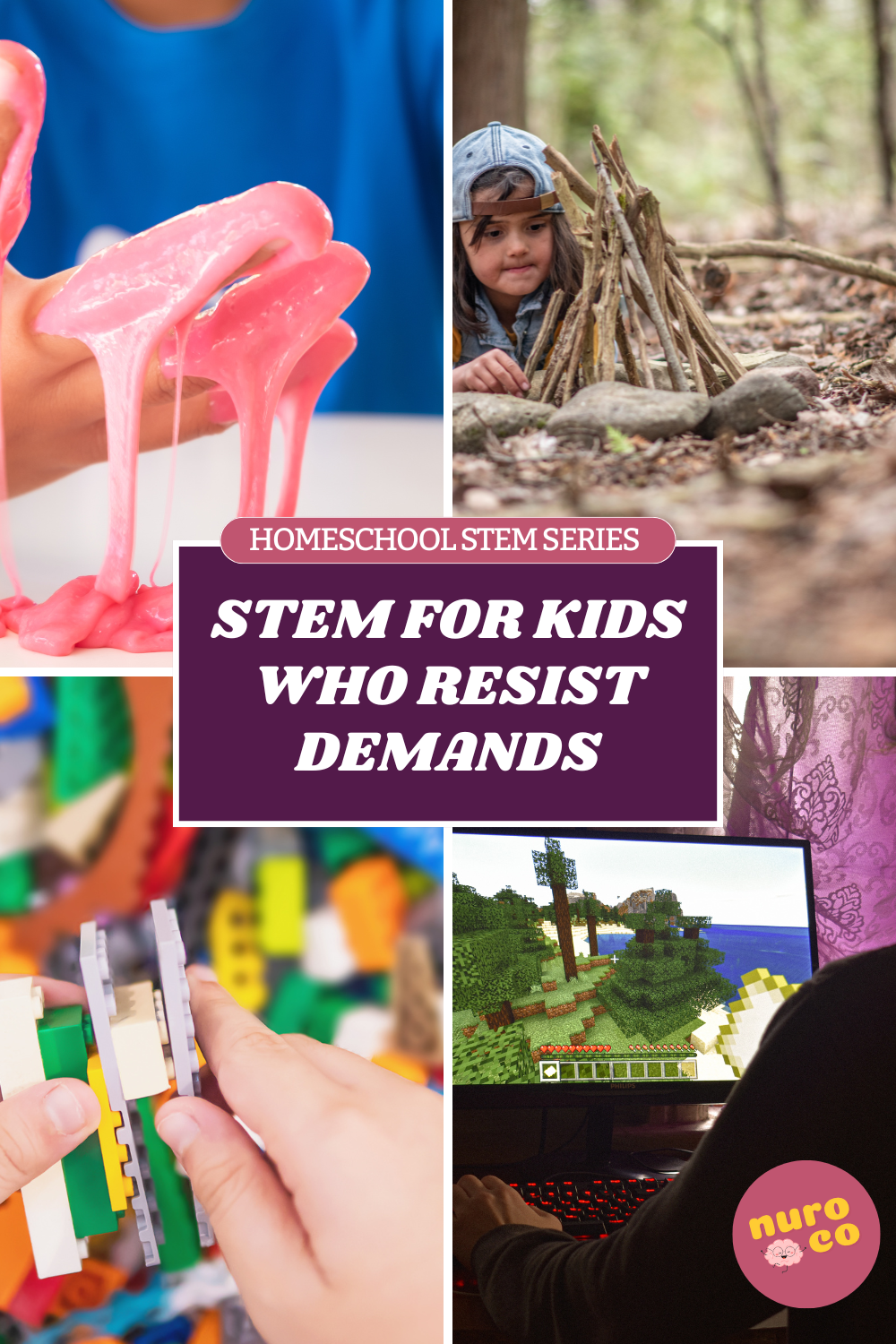
Gentle Inquiry for Anxious or Demand-Avoidant Learners
Explore soft, low-pressure ways to support anxious or demand-avoidant learners with gentle, interest-led STEM invitations. This warm, neuro-affirming guide helps parents create emotional safety, respect boundaries, and notice small moments of curiosity — without pressure or expectations.
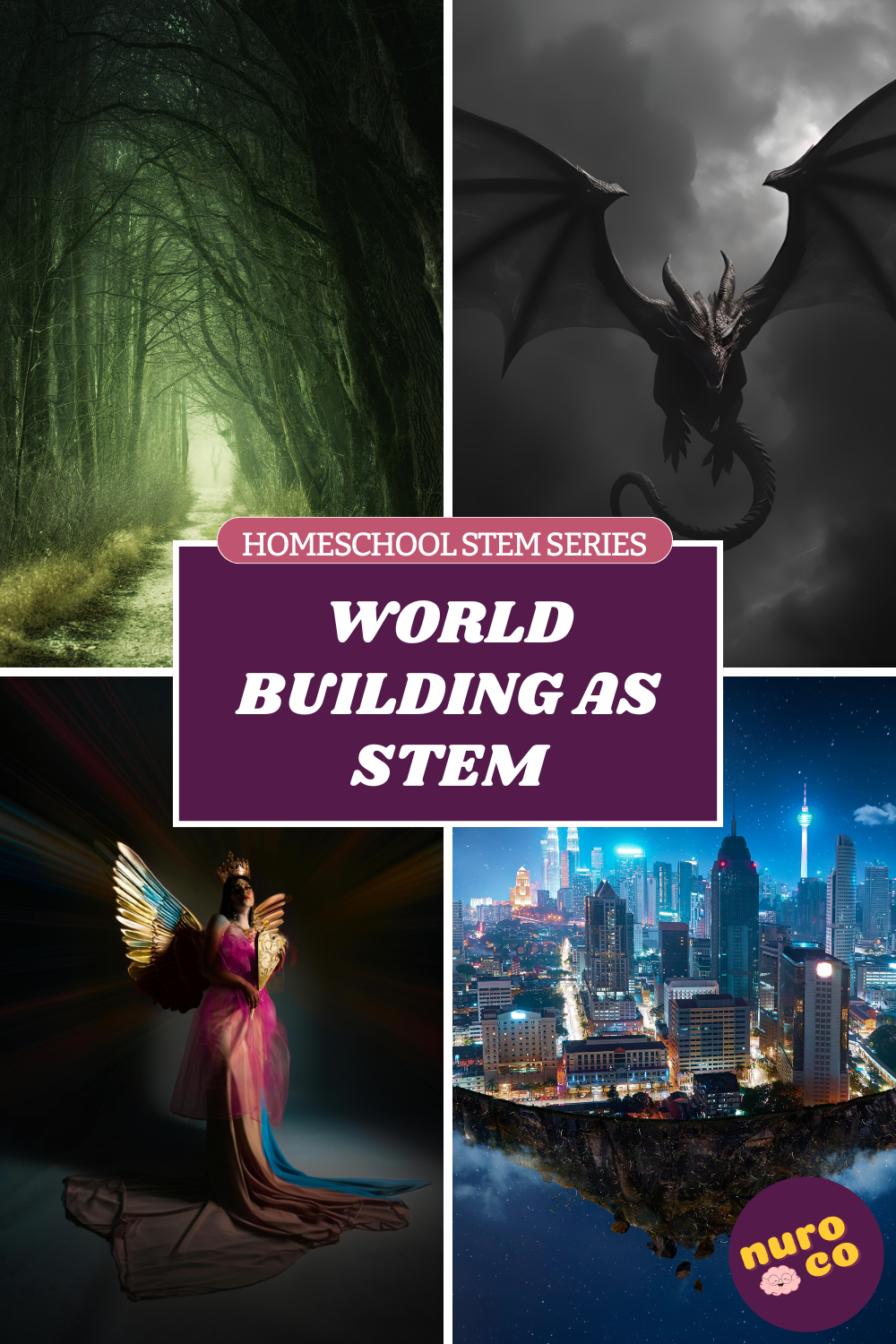
Story-Driven STEM for Creative Thinkers
Discover how imaginative, story-focused learners can explore STEM through world-building, creature design, cosplay, art, and fandoms. A gentle, neuro-affirming guide to helping autistic and ADHD kids connect with science, maths, and engineering through the stories they love.

Sensory-Friendly STEM Projects for Neurodivergent Learners
Discover calming, interest-led STEM activities designed for autistic and ADHD learners. This sensory-friendly guide explores gentle, low-pressure ways to make STEM meaningful — with ideas tailored to your child’s unique interests and sensory needs.
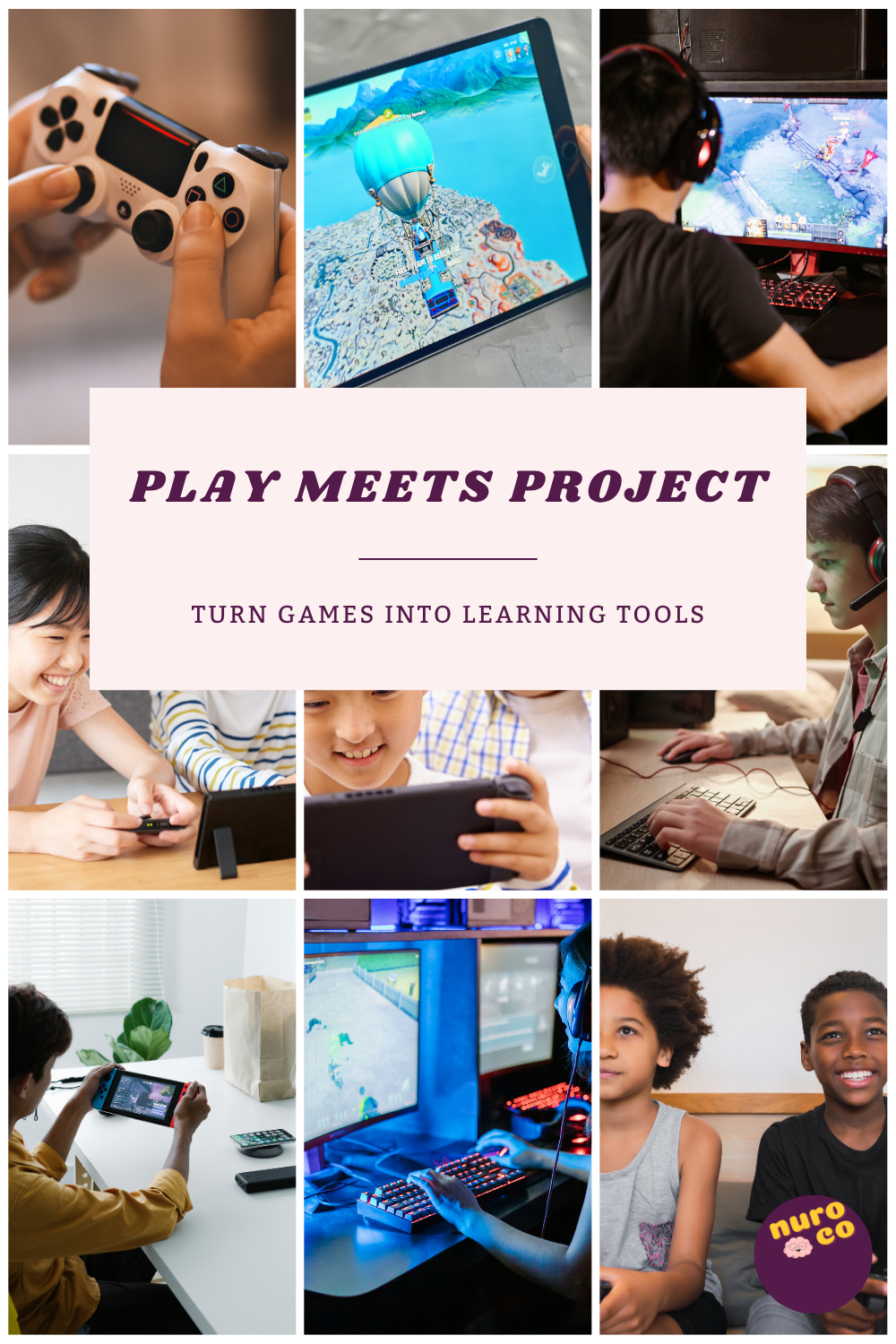
How to Use Video Games for Homeschool Learning (Gameschooling Ideas)
Discover how video games can spark creativity and design thinking in your homeschool. From building sensory spaces in The Sims 4 to crafting worlds in Minecraft, learn neuro-affirming ways to turn gaming into meaningful project-based learning

Pixel Power: What Video Games Teach Neurodivergent Kids
Video games are more than play — they teach design, maths, and critical thinking. Learn how games like Minecraft and Animal Crossing help neurodivergent kids develop confidence and real-world skills through immersive learning.
Level Up Learning: Gameschooling with Board Games
Discover how board games can support neurodivergent learners through structure, creativity, and connection. Explore gameschooling ideas that build maths, literacy, social, and problem-solving skills — while keeping learning joyful.
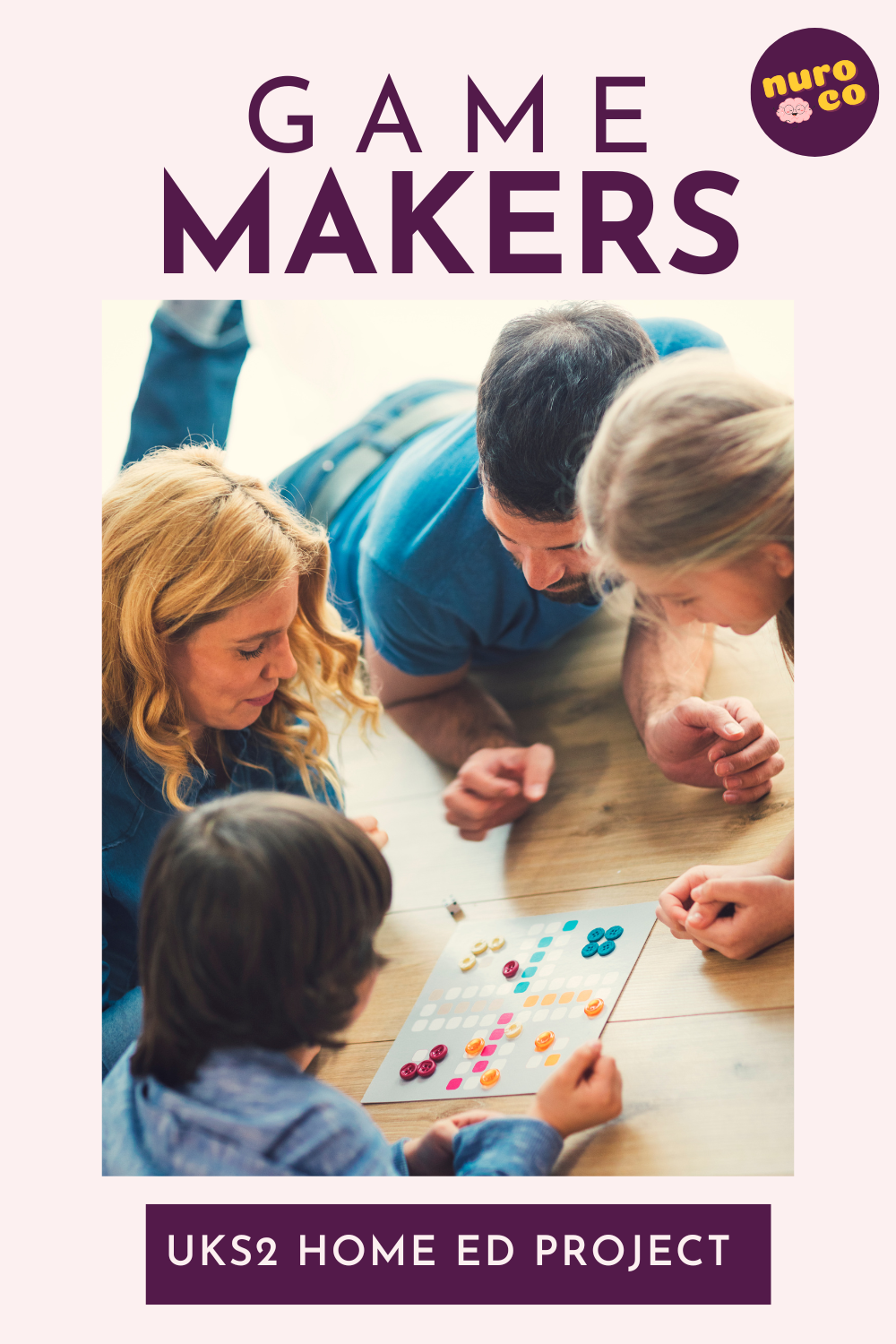
UKS2 Project Spotlight: Game Makers
Discover Game Makers, an 8-week home education project for Upper Key Stage 2. Learners design, test, and share their own game while building skills in English, maths, science, computing, arts, and more. Creative, flexible, and neuro-affirming.
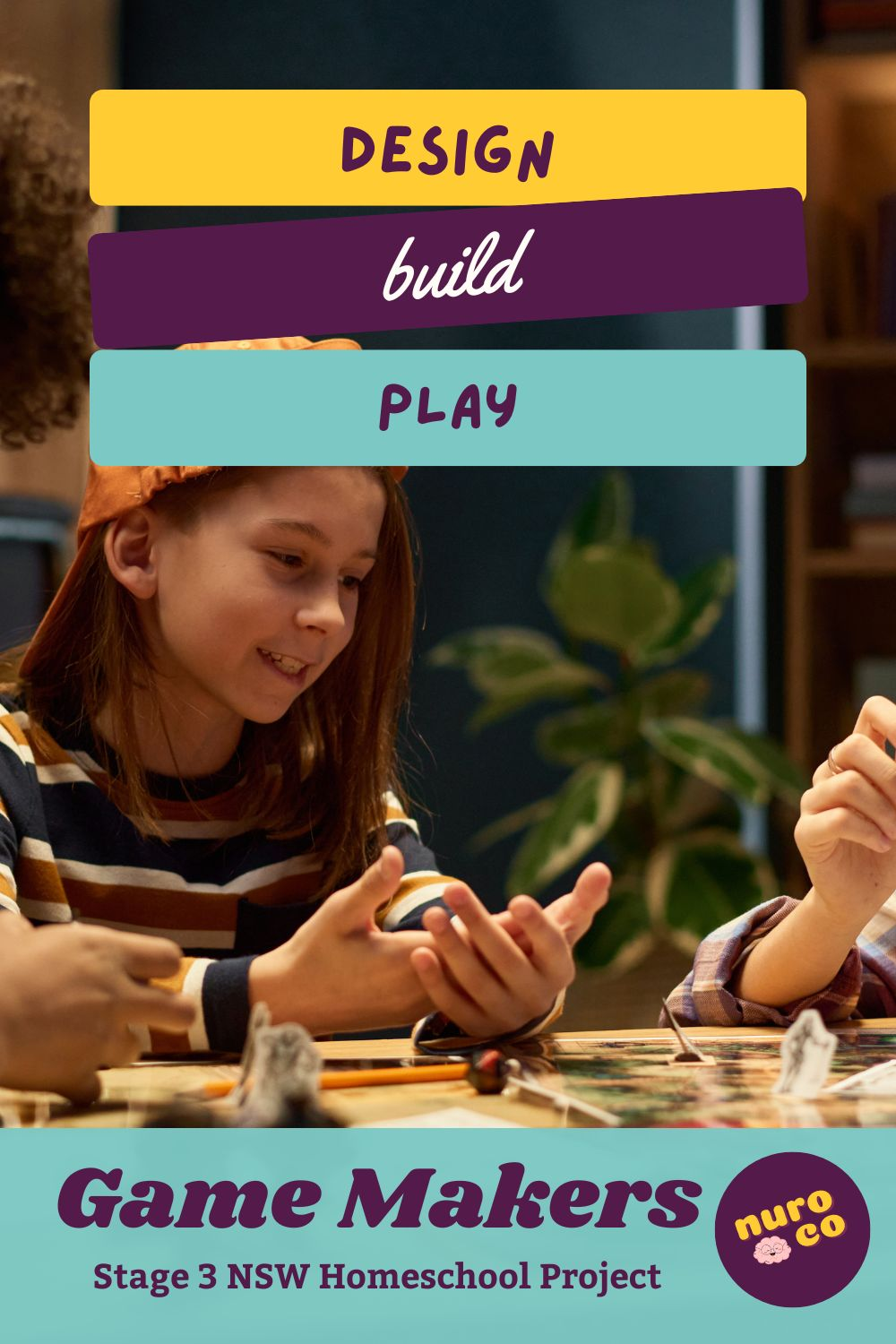
Project Spotlight: Game Makers
Turn play into learning with Game Makers, an 8-week homeschool project where kids in years 5-6 design, prototype, and share their own game. Flexible, creative, and curriculum-aligned.