The Designer’s Mindset: What Game Makers and Sensory Architects Have in Common
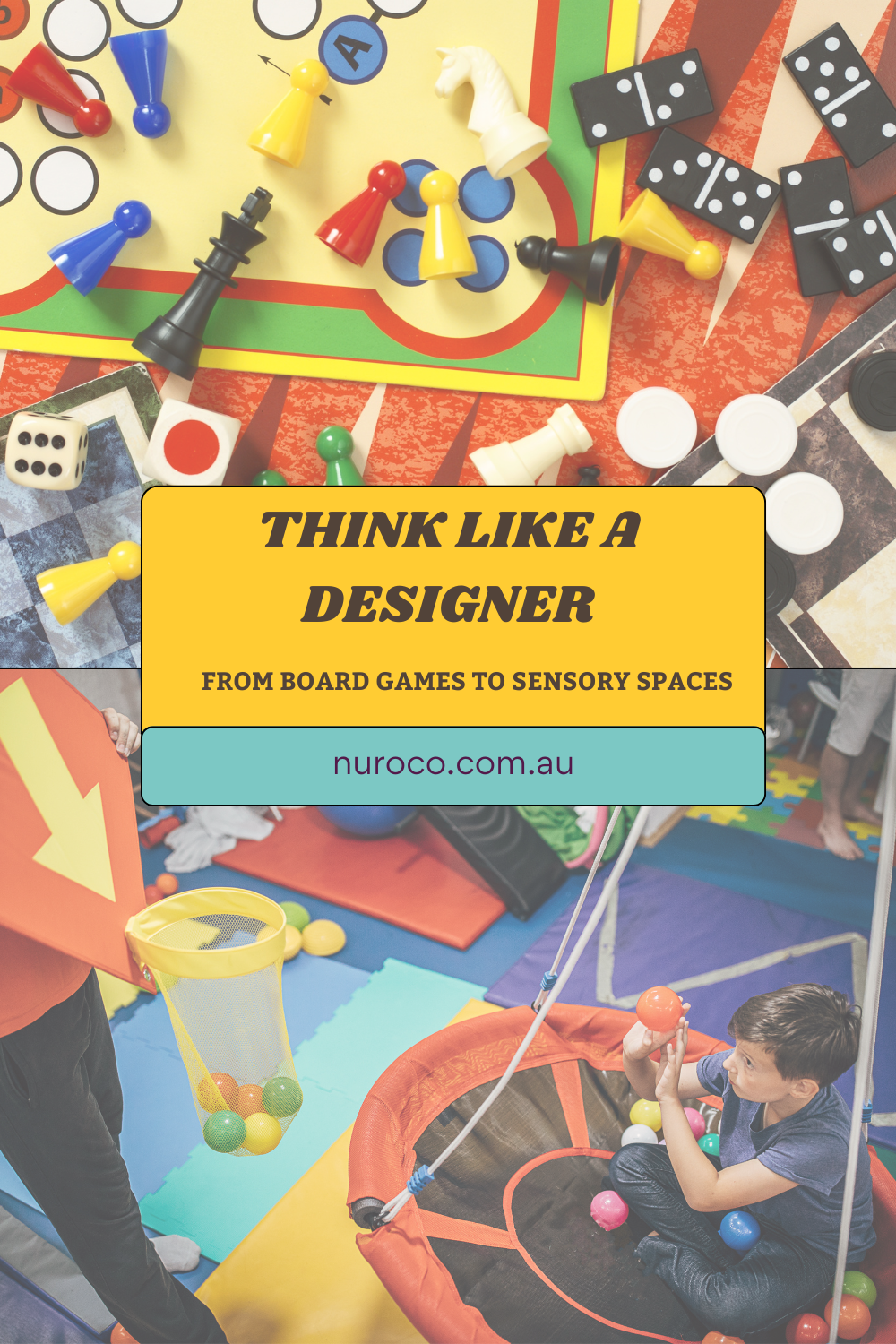
Think Like a Designer
Designers aren’t just people who make things look nice. They’re problem-solvers, thinkers, and experimenters who ask, how could this work better?
In nuro co’s Game Makers and Sensory Architects projects, learners step into that same mindset. They plan, create, test, and refine — learning to think like designers in worlds that are both imaginative and real. One project invites them to craft a game that others will love to play. The other helps them design a space that feels calm, focused, or inspiring. Both spark the kind of creative confidence that lasts long after the project ends.
Exploring Possibilities
At its heart, design thinking is about curiosity, empathy, and iteration — trying things out, learning from what doesn’t work, and making improvements along the way.
In Game Makers, this might look like adjusting the rules of a board game so it’s more balanced or fair. In Sensory Architects, it could mean experimenting with textures and lighting until a space feels just right. Both experiences teach learners that design is rarely about getting it “perfect” the first time — it’s about exploring possibilities and making thoughtful choices.
When kids learn to think this way, they’re not just creating things — they’re learning to approach challenges with creativity and curiosity. For neurodivergent learners, this approach often feels more natural than rigid, step-by-step learning. It invites them to explore at their own pace, follow their interests, and make sense of the world in a way that works for them.
Creativity Meets Problem-Solving
Design sits at the crossroads of art, science, and logic. A game designer might use maths to balance scoring systems or measure the timing of turns. A sensory designer might draw on science to understand how light and sound affect mood. Both rely on imagination to bring their ideas to life.
That blend of creativity and critical thinking is what makes design-based learning so powerful. It’s hands-on, meaningful, and flexible — allowing each learner to follow their own ideas while still developing key academic and personal skills.
Design is where creativity meets curiosity — and both projects invite kids to explore that intersection.
Confidence Through Iteration
Every designer knows that improvement comes from trying, testing, and refining. For many neurodivergent learners, this process is especially freeing. It takes away the pressure to “get it right” and replaces it with curiosity — making space for experimentation, sensory exploration, and self-expression.
In Game Makers, learners might discover that a rule doesn’t make sense until it’s tested in play. In Sensory Architects, they might find that a colour they loved on paper feels overwhelming in their final design. Each adjustment is a step toward confidence — proof that they can problem-solve, adapt, and improve through feedback.
This mindset — that learning is a process, not a performance — is at the heart of nuro co projects.
From Designer to Thinker
The designer’s mindset reaches far beyond any single project. It helps kids see the world as something they can shape — not just consume. They learn to notice how experiences, environments, and systems make people feel, and to imagine ways to make them better.
That kind of thinking builds empathy, flexibility, and innovation — skills that matter in every part of life. And for neurodivergent learners, it’s a gentle invitation to recognise their own strengths: deep thinking, sensory awareness, creativity, and the ability to see connections others might miss.
Whether they’re balancing a game board or designing a sensory-friendly space, kids who think like designers learn to look closer, imagine better, and keep improving — one idea at a time.
Find out more about Game Makers and Sensory Architects via our Projects page.