When a Collection Becomes an Expertise
If you've ever lived with a collector, you'll know it can be a serious business.
The two figurines you thought were the same? Completely different editions. And don't even think about putting the wrong LEGO minifigure accessory back with the wrong character.
Collectors notice things other people miss. They remember names, versions, release dates and tiny identifying details. They develop categories and systems. They know what's common, what's unusual and exactly which item they'd love to find next.
They don't just have a collection. They have expertise.
They're not all the same
One of the first things that happens when someone becomes deeply interested in a subject is that they start seeing distinctions that outsiders can't see.
To someone who knows very little about Pokémon, a folder might contain a lot of colourful cards. To the collector, there are different sets, types, rarities, artists, generations and versions, each with its own significance.
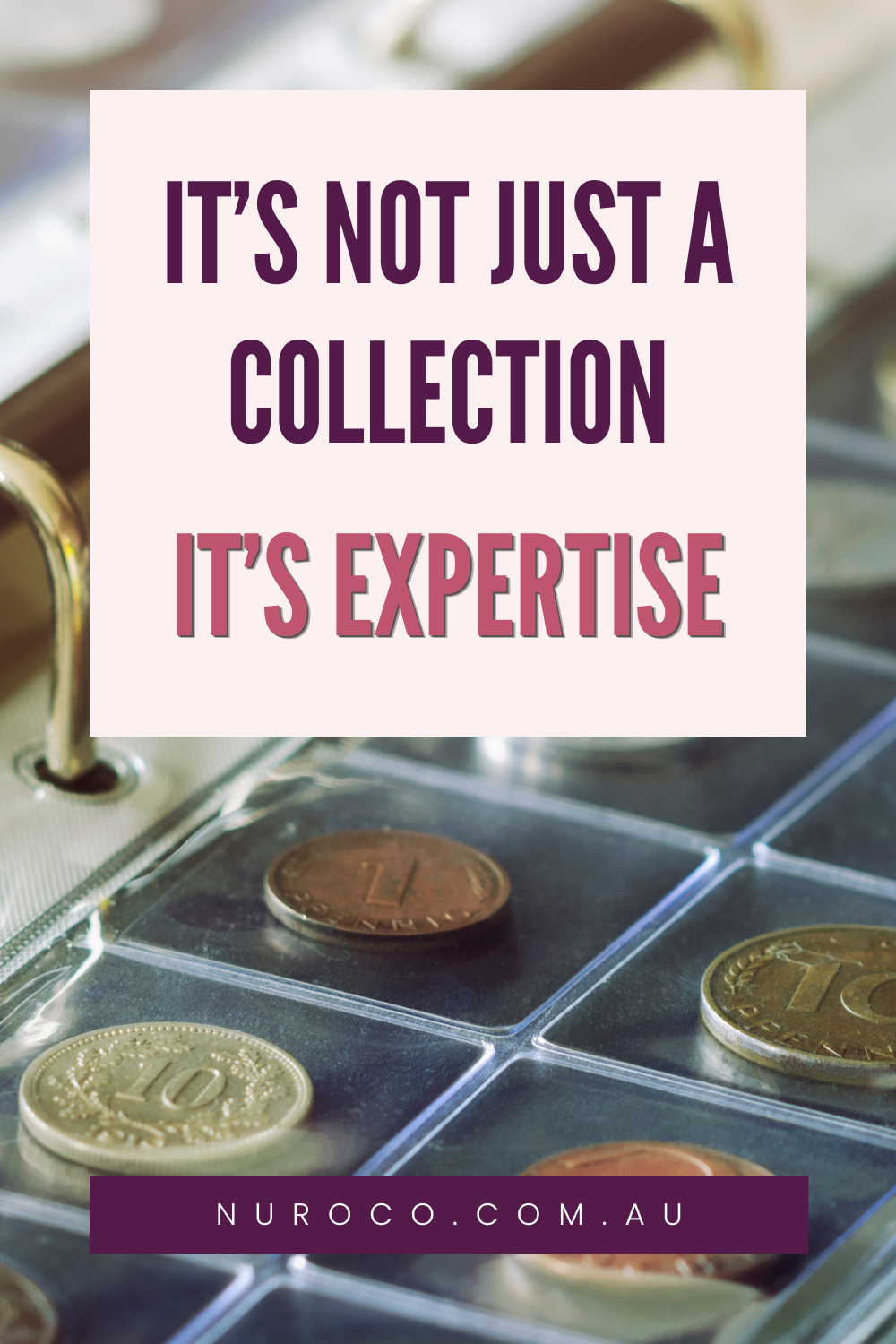
The same thing can happen with dolls, plushies, model trains, LEGO minifigures, football cards, anime figurines, coins or almost anything else a child decides is worth knowing about.
What looks repetitive from the outside can contain enormous complexity once you know how to look. And children can become remarkably good at looking.
Collectors build knowledge over time
Expertise accumulates. A name here. A fact there. Something mentioned in a video that connects with something they already knew.
Gradually, a child builds a web of knowledge around their interest.
They may know the history of a toy line, recognise the work of different artists, understand how particular items are manufactured or remember which characters appeared in which generation of a game.
They may also become very good at finding information when there's something they don't know.
Not because anyone has assigned them research, but because they genuinely want the answer.
Collections create systems
Then there's the collection itself.
Collectors often develop elaborate ways of organising what they have.
By series
By type
By colour
By rarity
By favourite
By value
Or by a system that makes perfect sense to them and absolutely no sense to anyone else.
They might keep lists of what they own and what they're looking for. They might rearrange a display until it feels right, catalogue items digitally or spend an afternoon deciding how things should be grouped.
These aren't necessarily systems an adult would have designed, and that's part of what makes them interesting. The child is deciding which characteristics matter, creating categories and refining their system as the collection changes.
Children's expertise deserves to be taken seriously
Adults have specific areas of expertise all the time. Someone can know everything there is to know about vintage cars or talk for hours about a football team. We generally accept that adults become knowledgeable about the things they care about.
Children do too.
Their expertise might happen to be My Little Pony or Squishmallows or trains or anime figurines. That doesn't make the process of becoming knowledgeable any less real.
A child who knows far more than the adults around them about something has experienced what it feels like to develop genuine expertise.
They know what it's like to notice details that a beginner misses. They know what it's like to keep learning because there's always something else to discover. And perhaps most importantly, they get to experience themselves as someone who knows things.
One interest can open unexpected doors
None of this means a collection needs to become a homeschool project.
There's no requirement to turn a shelf of figurines into a maths lesson or ask for a written report about an Ooshie collection. Sometimes collecting can simply be something a child loves doing.
But interests have a habit of making connections.
A collection of anime figurines might lead to curiosity about Japanese language or culture.
Football cards might spark an interest in statistics.
Vintage toys might raise questions about how childhood has changed over time.
A child who collects LEGO minifigures might become interested in photography or stop-motion animation.
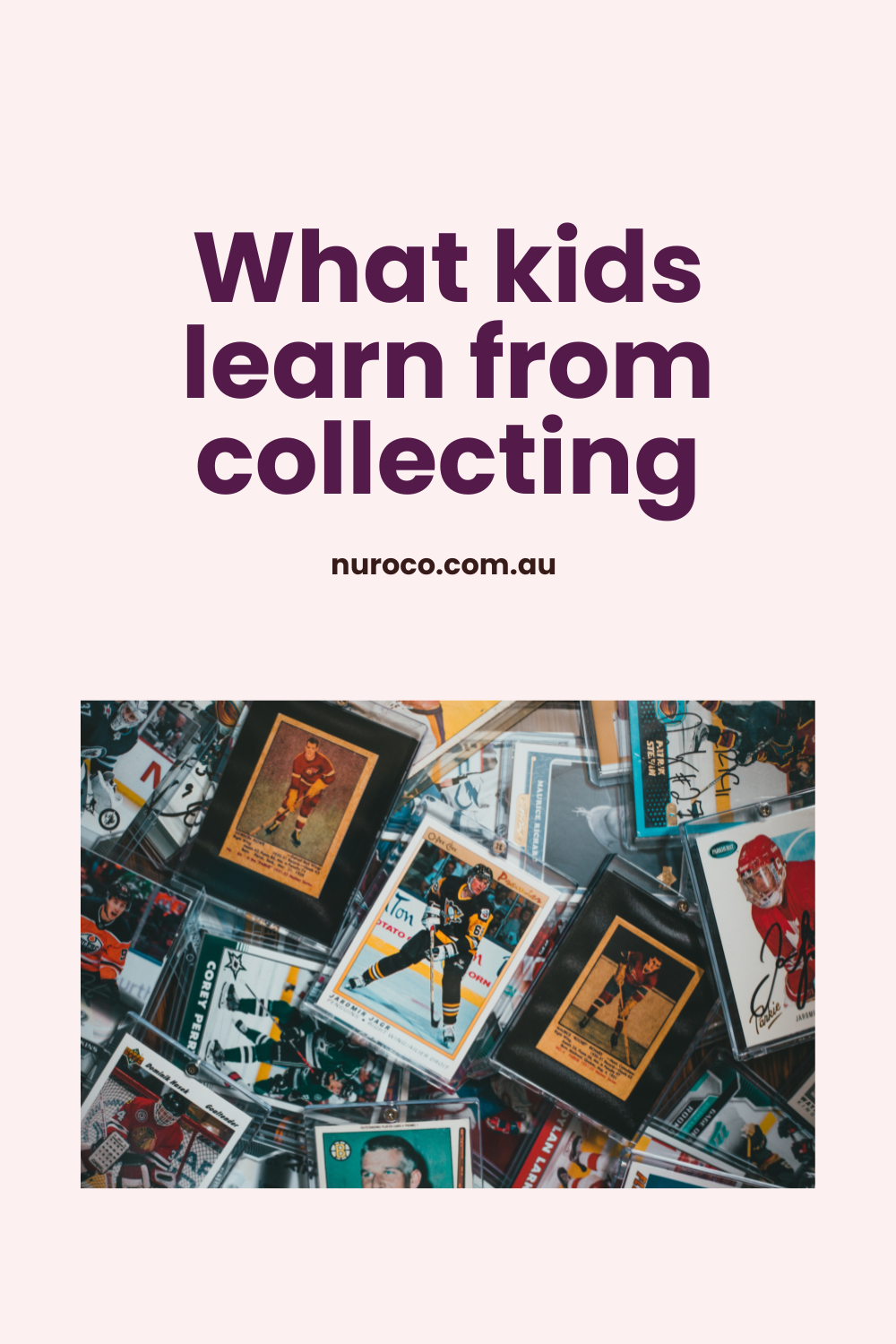
Someone fascinated by trading cards might begin thinking about illustration, graphic design, rarity, value or how a trading-card game actually works.
Those connections don't need to be planned in advance. Sometimes they happen and sometimes they don't. The collection is still worthwhile either way.
Sometimes it's enough to recognise what's already there
When we talk about interest-led homeschooling, it can be tempting to immediately ask how we can extend an interest.
What activity could we add? What could we make?
Those can be useful questions when the curiosity is there.
But I think there's another question worth asking first: What does my child already know?
It's there in the carefully organised binder, the shelf of figurines, the detailed explanation of why two apparently identical objects are absolutely not the same, and the facts our child can't quite believe we have somehow managed to forget again.
Sometimes our job is simply to notice the expertise that's been growing in front of us.