Why Project-Based Learning Works for Neurodivergent Kids
Learning isn’t one-size-fits-all.
But most education still expects children to adapt to rigid systems, even when those systems don’t work for them.
For neurodivergent kids, that often looks like:
resistance
burnout
or being misunderstood
Project-based learning offers a different path.
Instead of asking children to fit the system, it adapts to them..
Want to see what this looks like in real life?
You can try a gentle, ready-to-use project here:
→ The Monster Files (Years 3–4)
→ Zine Zone (Years 5–6)
They’re free, flexible, and designed to help you get started without pressure.
This approach can be especially helpful if your child:
resists worksheets or structured tasks
has strong interests they love to dive into
struggles with energy, focus, or burnout
needs flexibility rather than rigid expectations
Strengths-led learning: Harnessing special interests
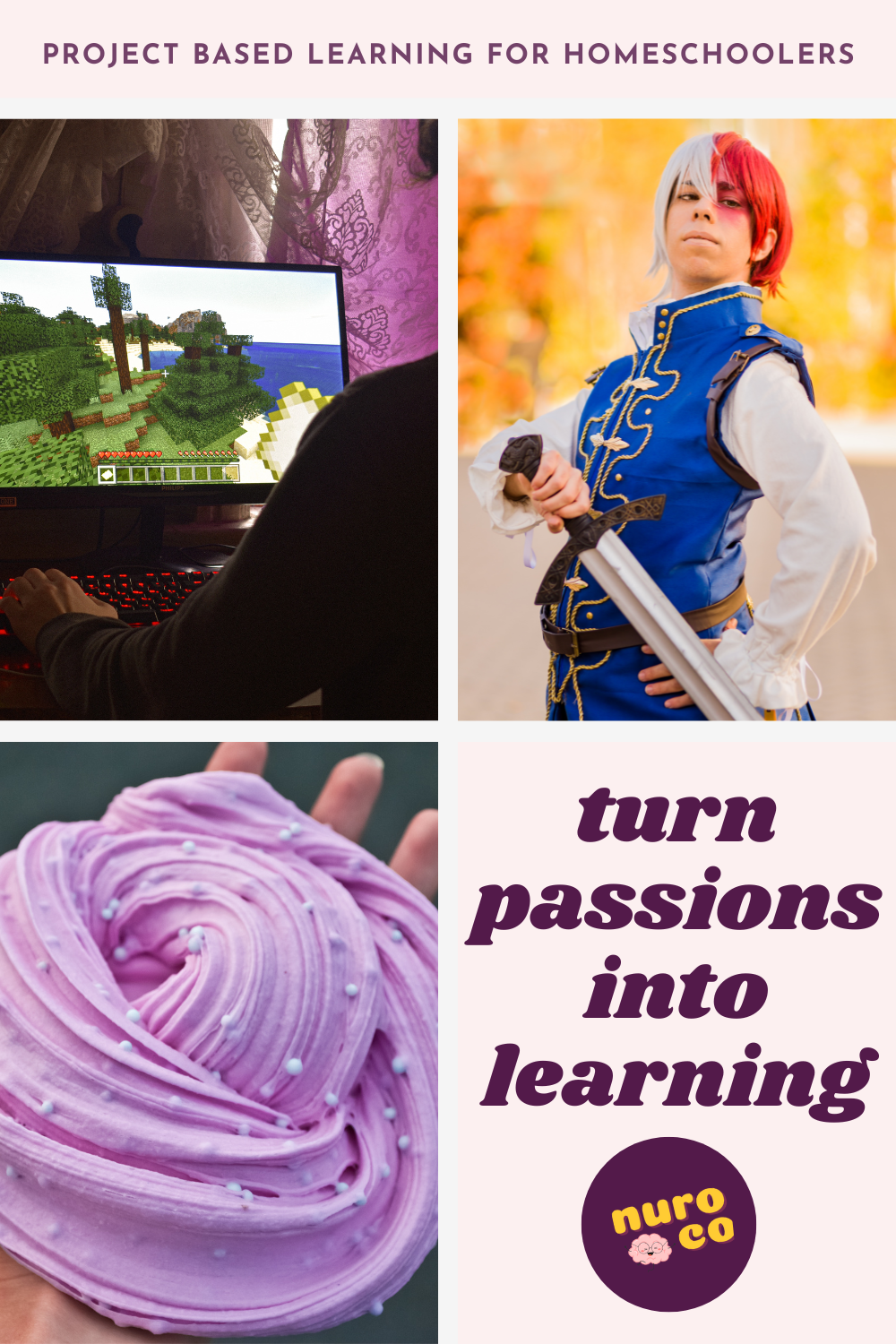
Neurodivergent kids often have passions they could talk about for hours - whether it’s Minecraft, marine life, or manga. In traditional settings, those interests might be treated as distractions. In project-based learning (PBL), they’re the fuel.
A project about a favourite animal can become a science investigation, a literacy activity, a maths challenge, and a creative arts piece all at once. Instead of pulling kids away from their passions, PBL builds learning around them.
Real-world relevance: Answering “why do I need this?”
Abstract worksheets can feel pointless, especially for kids who crave meaning and connection. Projects, on the other hand, link learning to real-life outcomes.
Writing a zine, designing a costume, or running a “mini rescue centre” all make the skills they’re learning visible and purposeful. Suddenly, fractions aren’t just numbers - they’re part of scaling a recipe or budgeting for materials.
Flexible pacing and entry points
Energy, focus, and motivation aren’t the same every day, and that’s okay. Project-based learning lets kids take the time they need, dive deeper into what excites them, or leave aside tasks that feel repetitive.
This flexibility means learners aren’t judged against a clock or forced to move at the same pace as everyone else. They’re free to show progress in a way that actually reflects how they learn best.
Multi-sensory and hands-on
Projects can include drawing, making, coding, building, talking, and moving. For neurodivergent learners who benefit from multi-sensory experiences, this is a game-changer.
Instead of hours spent sitting still, learning becomes active and embodied. A cosplay project might mean sketching designs, measuring fabric, budgeting materials, and weaving in storytelling - all while moving between different modes of thinking and doing.
Autonomy and choice: Reducing resistance
For kids who have a hard time with demands, choice is everything. PBL naturally builds in decision-making power:
Which activity do you want to start with?
How do you want to present what you’ve learned?
What materials would you like to use?
This autonomy can transform resistance into buy-in, because kids feel ownership of their learning rather than being pushed through someone else’s plan.
Deep focus and hyperfocus becomes a strength
In a classroom, a child who wants to spend three hours researching jellyfish would very likely be told to move on. In project-based learning, that focus is celebrated.
Hyperfocus turns into depth - a beautifully detailed fact book, a model, or a presentation that shows genuine expertise. Instead of being seen as too much, their intensity is reframed as a gift.
Creativity and divergent thinking are valued
Neurodivergent kids often connect ideas in unusual ways. In traditional education, that can look like “not following instructions.” In PBL, it looks like innovation.
Whether it’s a new angle on a problem, an unexpected design solution, or a creative story twist, divergent thinking is not just allowed, it’s the whole point.
Evidence of learning without worksheets
Parents often worry about “proof” for homeschool records. The beauty of projects is that they naturally produce evidence: zines, models, posters, photos, digital creations.
These become tangible work samples, showing both the process and the final product. And unlike worksheets, they actually feel meaningful to the learner.
But what about…? Addressing common parent worries
Will my child cover the curriculum?
Yes - projects map beautifully across multiple subjects. A single project can hit outcomes in English, maths, science, and creative arts.
What if they don’t finish?
That’s okay. The process is just as valuable as the product. Even half-finished projects show deep thinking and progress.
How do I know they’re learning?
Projects leave a visible trail of ideas, notes, drafts, and creations. It’s often easier to see the richness of learning in a project than in a pile of worksheets.
Examples to try at home
Cooking project → fractions, chemistry, procedural writing.
Cosplay project → design, measurement, budgeting, storytelling.
Environmental project → science, geography, persuasive writing, activism.
Zine project → literacy, digital skills, art, and self-expression.
Ready to try project-based learning?
If you’re curious how this looks in practice, you don’t need to start from scratch.
You can begin with a simple, low-pressure project:
For Years 3–4:
→ The Monster Files (free, 4-week mini project)
For Years 5–6:
→ Zine Zone (free, creative mini project)
Both are designed to be:
flexible
easy to start
and manageable alongside real life
You can use them as a starting point, a reset, or just something to try.