
Systems & Signals
An interest-led project for kids who want to know what’s really going on underneath.
Systems are everywhere.
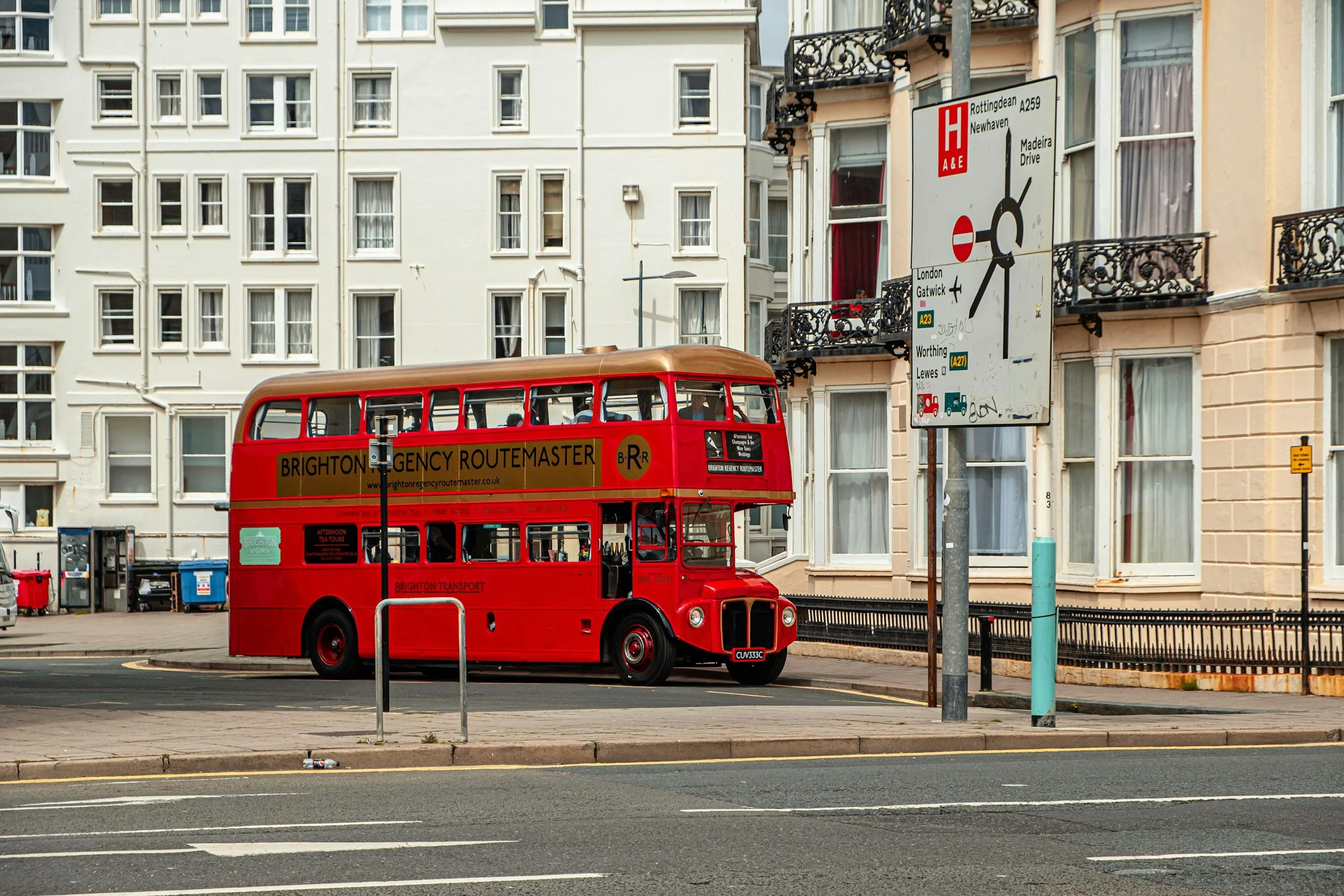
In a railway network. A beehive. A washing machine. A human body. A pedestrian crossing. An ecosystem.
But what makes something a system? How do all the parts work together? How does information travel through it? And what happens when something goes wrong?
Systems & Signals is an 8-week project for LKS2 (Years 3–4) that invites learners to investigate the hidden connections, signals and responses that make systems work.
About this project
Systems & Signals begins with a simple question:
What makes something a system?
From there, learners start looking underneath the things around them.
They might pull apart the connections inside a transport network, trace a signal through a machine, investigate how animals communicate, predict what happens when one part of a system fails, or compare two completely different systems to find the patterns they share.
Across the project, learners explore:
parts, connections and dependencies
inputs and outputs
signals and how information travels
responses and feedback
what happens when communication breaks down
how systems can work differently for different people
patterns shared by very different systems
how models can help us understand and test complex ideas
The project can follow whatever captures your learner's interest. They might investigate many different systems or spend weeks going deeply into one.
How the project works
Systems & Signals develops across eight connected investigations:
Week 1: Systems Are Everywhere
What makes something a system?
Week 2: Inside a System
What is connected to what, and what happens when one part changes?
Week 3: How Systems Communicate
How do signals carry information through a system?
Week 4: Signal → Response
What does a system do with the information it receives?
Week 5: When Systems Go Wrong
What happens when information is missing, confusing or difficult to detect?
Week 6: Patterns Across Systems
Can completely different systems work in surprisingly similar ways?
Week 7: Model a System
Can a model help you understand, test or redesign a system?
Week 8: Where Could This Go Next?
What question, problem or idea do you want to follow now?
Learners might research, talk, draw, observe, experiment, build, photograph, map connections, make models, test ideas or invent systems of their own.
There isn't one prescribed way to show what they know. The focus is on the thinking happening underneath.
Who this project is for
Kids who love figuring things out
Systems & Signals may be a particularly good fit for learners who are fascinated by:
machines and mechanisms
transport, trains and traffic
animals and ecosystems
the human body
technology and electronics
rules, patterns and processes
how things are organised
finding out why something went wrong
taking complicated things apart in their heads
It also gives learners plenty of room to bring their own expertise with them. A favourite game, sport, machine, animal, place or technology can become the system they investigate.
Learners who need flexibility around how they learn
The thinking in Systems & Signals can become surprisingly complex.
The way learners access it doesn't have to be.
A learner might explain an idea aloud, draw arrows on a page, build with Lego, photograph something they've noticed, research a question, create a detailed model or spend an afternoon talking about whether a sandwich counts as a system.
The project provides structure without requiring every learner to follow the same path or produce the same work.
That means an 8-year-old who is just beginning to think about systems can find an accessible way in, while a learner with deep knowledge or a strong special interest has plenty of room to take the ideas much further.
What’s included
Each Systems & Signals project includes:
Parent Guide
Eight weeks of investigation ideas, questions and possibilities, with guidance for supporting the learning without taking over the investigation.Student Guide
Learner-facing prompts, examples and Systems Detective challenges designed to spark investigation and deeper thinking.Resource List
A list of suggested resources to support exploration of systems and signals, if you’d like additional inspiration or reference points. This list is optional and can be used flexibly alongside your learner’s interests.Learning Log
Optional pages for noting observations, reflections, or learning moments if and when you choose to keep a record. The Learning Log can be used occasionally, regularly, or not at all, and works even when learning looks informal or quiet.
Areas of learning
Systems & Signals supports learning commonly explored in Lower Key Stage 2 (Years 3–4), including areas such as:
Science
English (talking, explaining, and reflecting)
These connections describe the kinds of learning that may arise through the project. There is no expectation to complete set tasks, meet outcomes, or follow a prescribed sequence.
Complex thinking. Low barriers to participation.
Systems & Signals isn't about memorising the names of systems or completing a set of worksheets.
It's about learning to look underneath.
What are the parts?
How are they connected?
What information is moving?
What happens next?
Where could it go wrong?
Could it work differently?
Those questions can be applied to a railway network, a beehive, a body system, a machine, a city or something nobody else would have thought to investigate.
The project gives learners a way into complex thinking without prescribing what their learning has to look like.
Become a Systems Detective
Download your Parent Guide, Student Guide, Resource List and Learning Log. Everything you need to begin today.