
Easy Science for Homeschool
Science is one of those subjects that sounds simple in theory… until you’re the one trying to make it happen at home.
You picture hands-on experiments, curiosity, and discovery, but what it often turns into is:
searching for supplies you don’t have
trying to follow complicated instructions
or defaulting to worksheets just to tick the box
And if your learner is already tired, overwhelmed, or disengaged? Even “fun” science can feel like too much.
So what does easy science actually look like in a homeschool setting?
It doesn’t need to be simplified or watered down, just… manageable.
If you’d like a simple starting point, you can download the Monster Files - a free, no-prep science project you can dip into whenever it feels manageable.
What “Easy Science” Really Means
Easy science isn’t about doing less learning. It’s about removing the friction that gets in the way of it.
That usually means:
No prep — nothing you need to organise in advance
No pressure — no “right way” to complete the task
No worksheets — learning happens through doing, noticing, and thinking
Flexible energy levels — it works on both good days and hard days
Because when those barriers are gone, learners start to engage again.
A Different Kind of Science Activity
Instead of experiments with strict steps and outcomes, easy science can look like:
observing something closely
asking questions (even small ones)
imagining possibilities
testing ideas in simple, low-stakes ways
It’s quieter, slower, and more open-ended.
And for many neurodivergent learners, that’s exactly what makes it work.
Try This: Become a “Monster Researcher”
If you’re looking for a place to start, this is one of the simplest ways in.
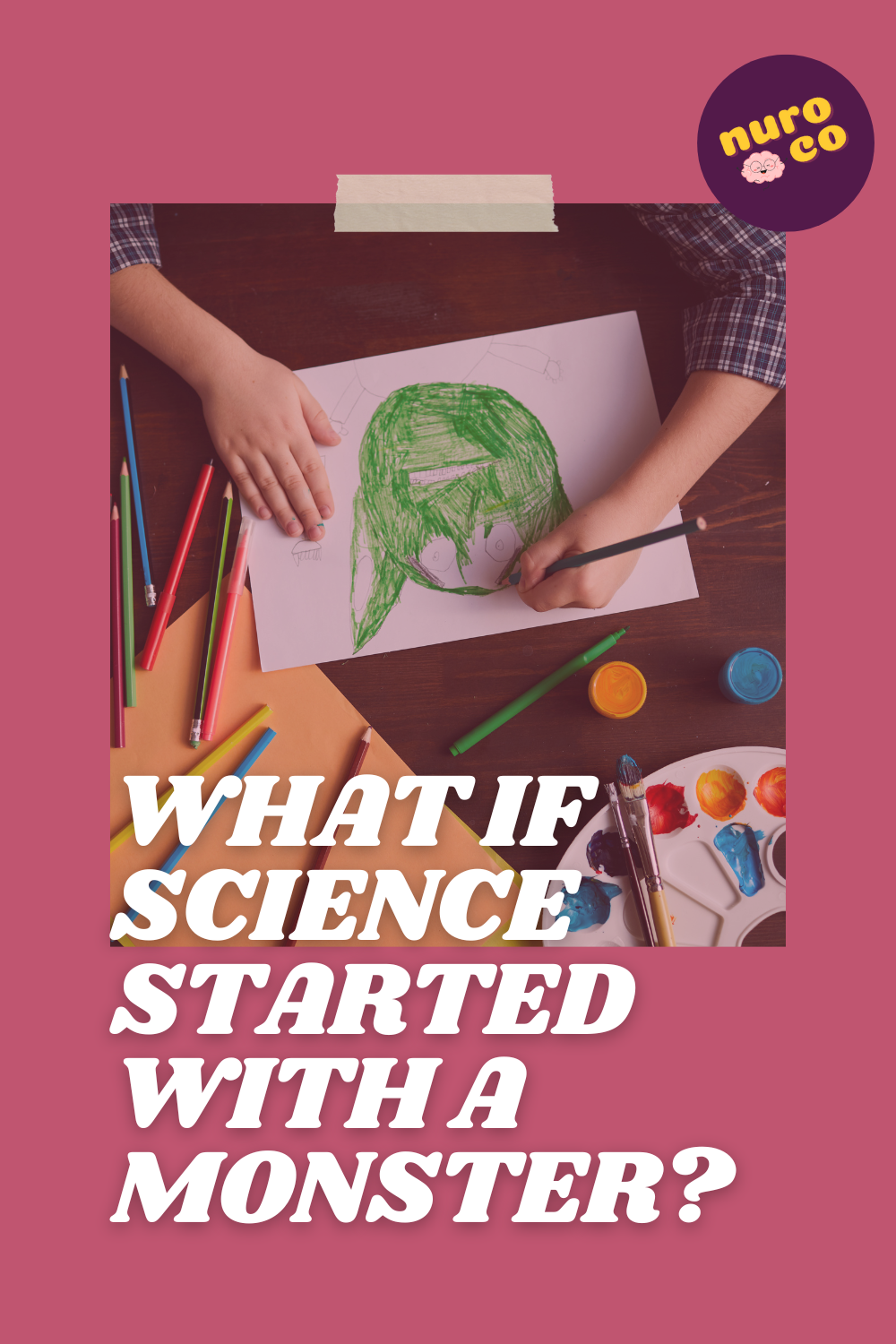
The Monster Files project invites your learner to take on the role of a Monster Researcher - studying an imagined creature as if it were real.
Instead of memorising facts or completing worksheets, they:
observe and describe their creature
think about how it moves, eats, and survives
make connections between features and environment
record their ideas in whatever way feels comfortable
It’s science - just approached through curiosity and imagination.
Why This Works (Even If Your Learner Usually Resists Science)
This kind of approach works because it removes the usual pressure points.
There’s no “getting it wrong.” No long instructions to follow. No expectation to produce a polished result.
Instead:
learners can start small
follow what interests them
and build understanding naturally over time
And importantly, it still counts.
You’re seeing observation, classification, adaptation, systems thinking… just without the stress.
What You’ll Get (Free)
The Monster Files is a short, low-prep project you can start straight away.
It includes:
a simple structure to guide your learner
open-ended prompts (no worksheets)
flexible options for recording ideas
gentle progression across the project
You don’t need to prepare anything in advance. You can just begin.
A Gentle Starting Point
If science has been feeling hard lately, this is a way to ease back in without pressure.
You don’t need to commit to a full program or do it “properly.” You can just try one small thing and see what happens.
Frequently Asked Questions
-
Yes. It supports key science skills like observation, classification, and understanding how living things interact with their environment. It just approaches them in a more flexible way.
-
It’s designed for Years 3–4 (Stage 2), but can be adapted up or down depending on your learner.
-
That’s completely fine. Ideas can be recorded through talking, building, audio, digital design, or anything else that works.
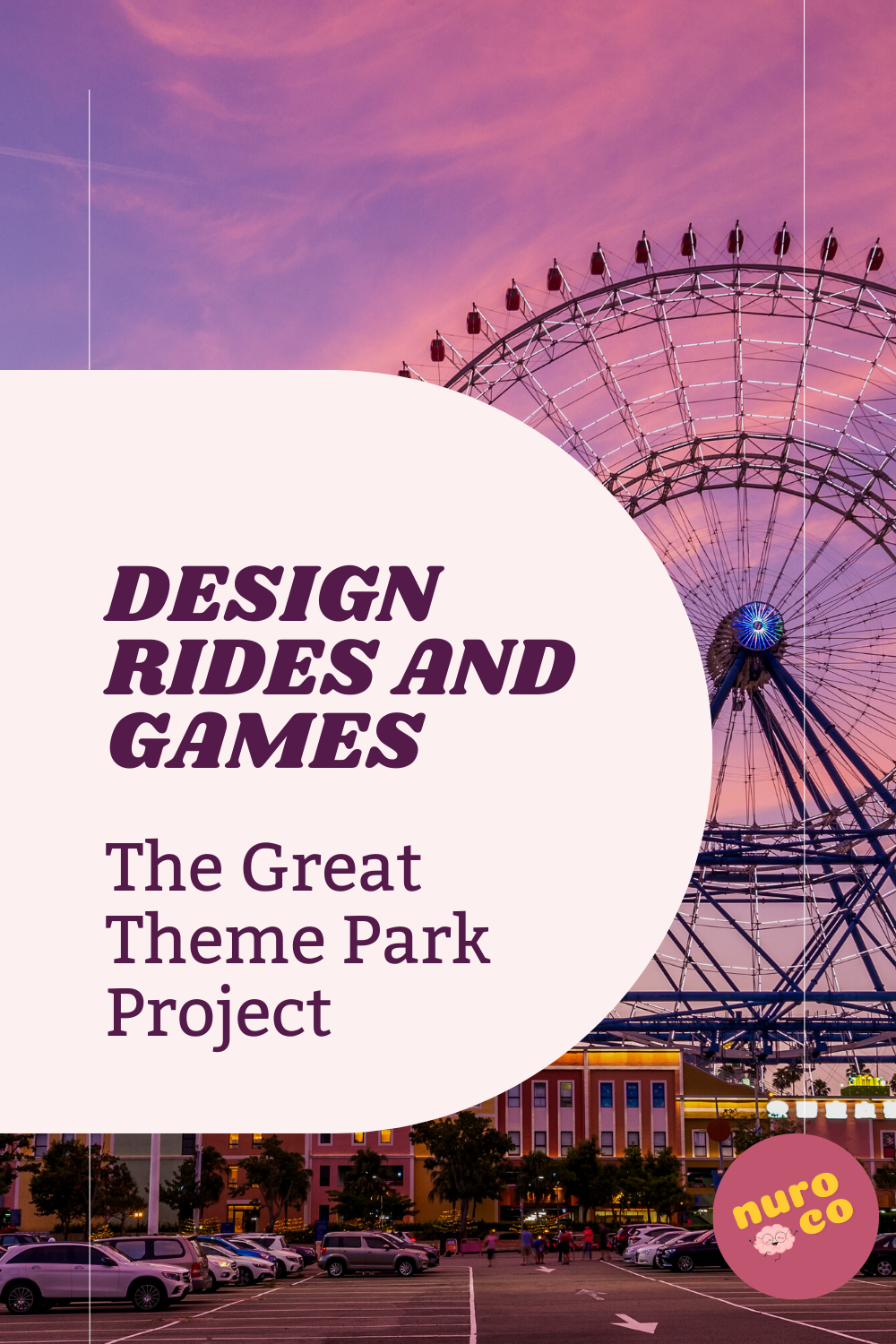

Design a theme park in this flexible, hands-on homeschool project for Years 3–4. Explore science, maths, design, and creativity without worksheets or pressure.