If Your Child Loves Games, Try This Next
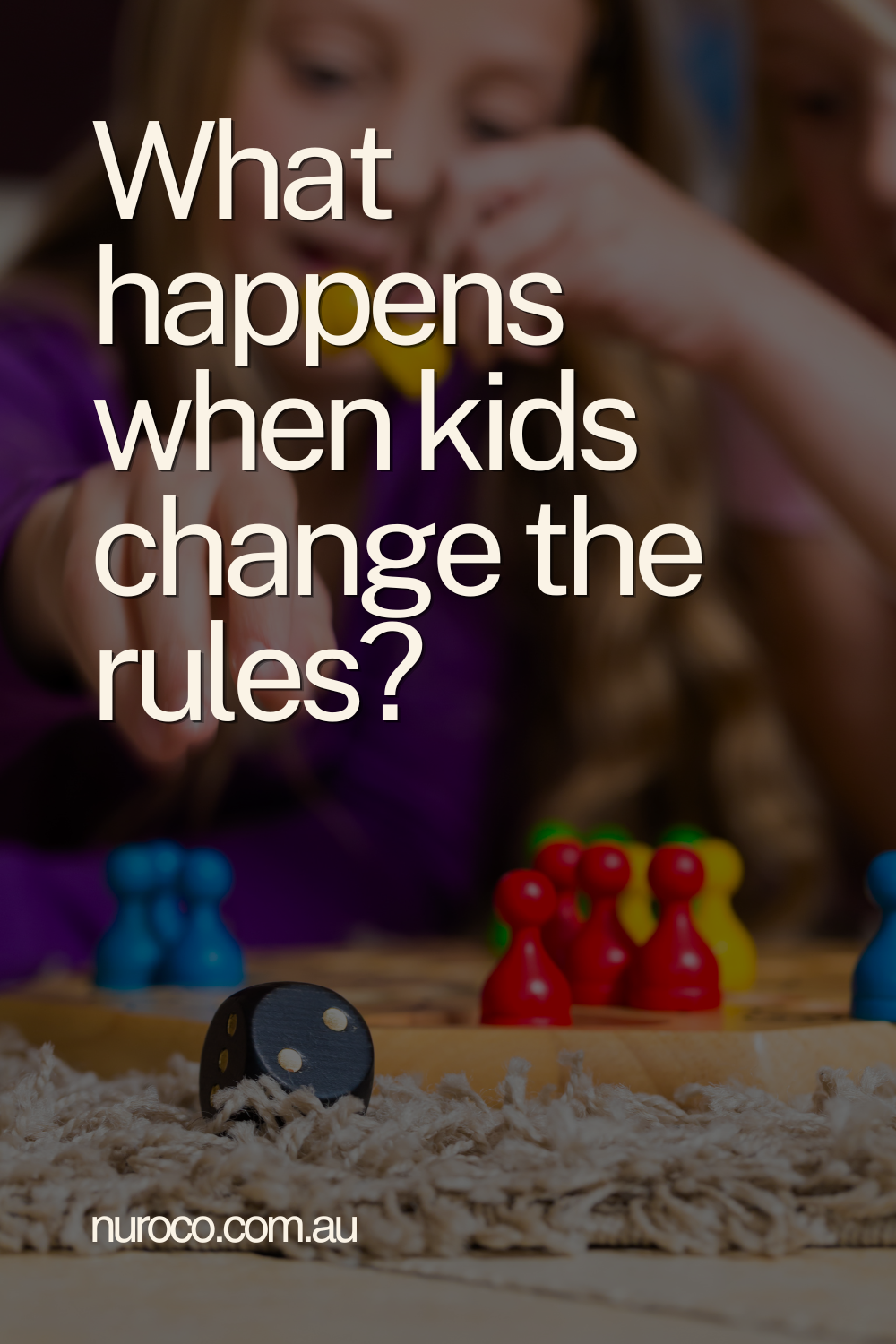
Some kids love games.
They learn the rules. They find shortcuts. They test what happens if they push things a little.
And sometimes, they start changing things.
This is a simple way to explore that further, without turning it into something structured or forced.
How to start
You don’t need a plan, a template, or a big idea.
Just start with a game they already know, play it, then change one small thing.
What this can look like
Your child plays a game — maybe something simple like tag, a board game, or a favourite video game.
After playing, ask something like:
“What if you had to move slowly?”
“What if the goal changed?”
“What if you had to work together instead?”
They try it.
Sometimes it works, sometimes it doesn’t. Important learning is happening either way.
What’s happening underneath
From the outside, it still looks like play.
But there’s a different kind of thinking starting to show up.
They’re:
noticing how the game works
making small changes
testing what happens
adjusting their ideas
They might tweak the rule, try again, or rethink what they were trying to do.
That cycle — noticing, testing, changing, and trying again — is the same kind of thinking used in scientific exploration.
It’s not being taught directly, but it’s there.
And because it’s coming from something they already enjoy, it tends to feel natural rather than forced.
If you want to try it
If your child is already starting to tweak games like this, you don’t need much.
But if you’d like a simple way to get started, I’ve put together a Game Makers Activity Pack.
It gently walks through the idea:
starting with a familiar game
changing one thing
seeing what happens
Download the activity pack here
If it clicks
Some learners will try this once and move on.
Others will keep going — changing more rules, testing new ideas, or starting to imagine their own games.
That’s usually a sign they’re ready for something more.
A note for parents
You don’t need to turn this into something formal.
Playing, talking, and experimenting is already enough.
This kind of activity just gives that play a little more space to grow, if your child wants it to.