An Animal Rescue Activity That Gets Kids Thinking
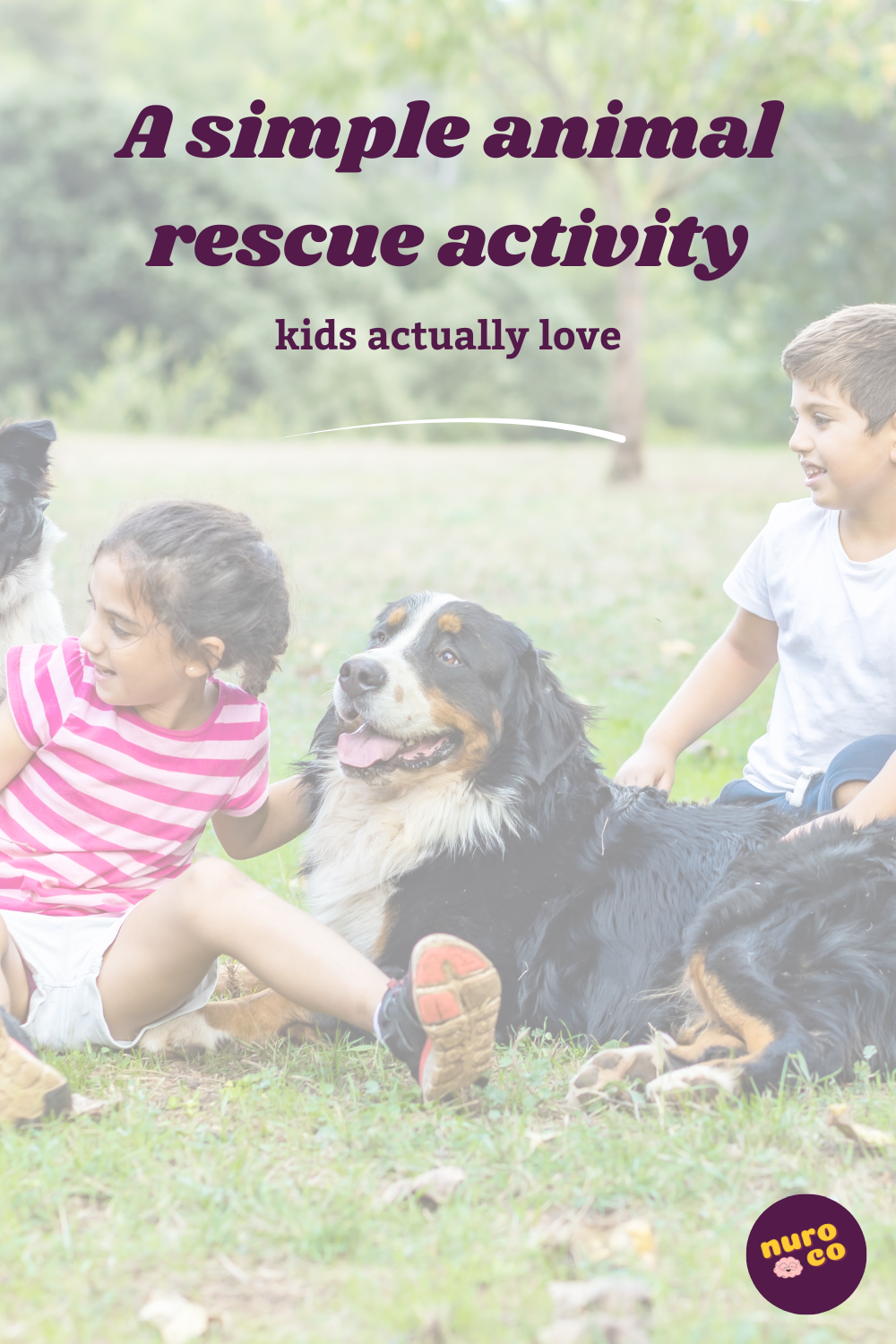
A low-pressure idea for animal-loving learners
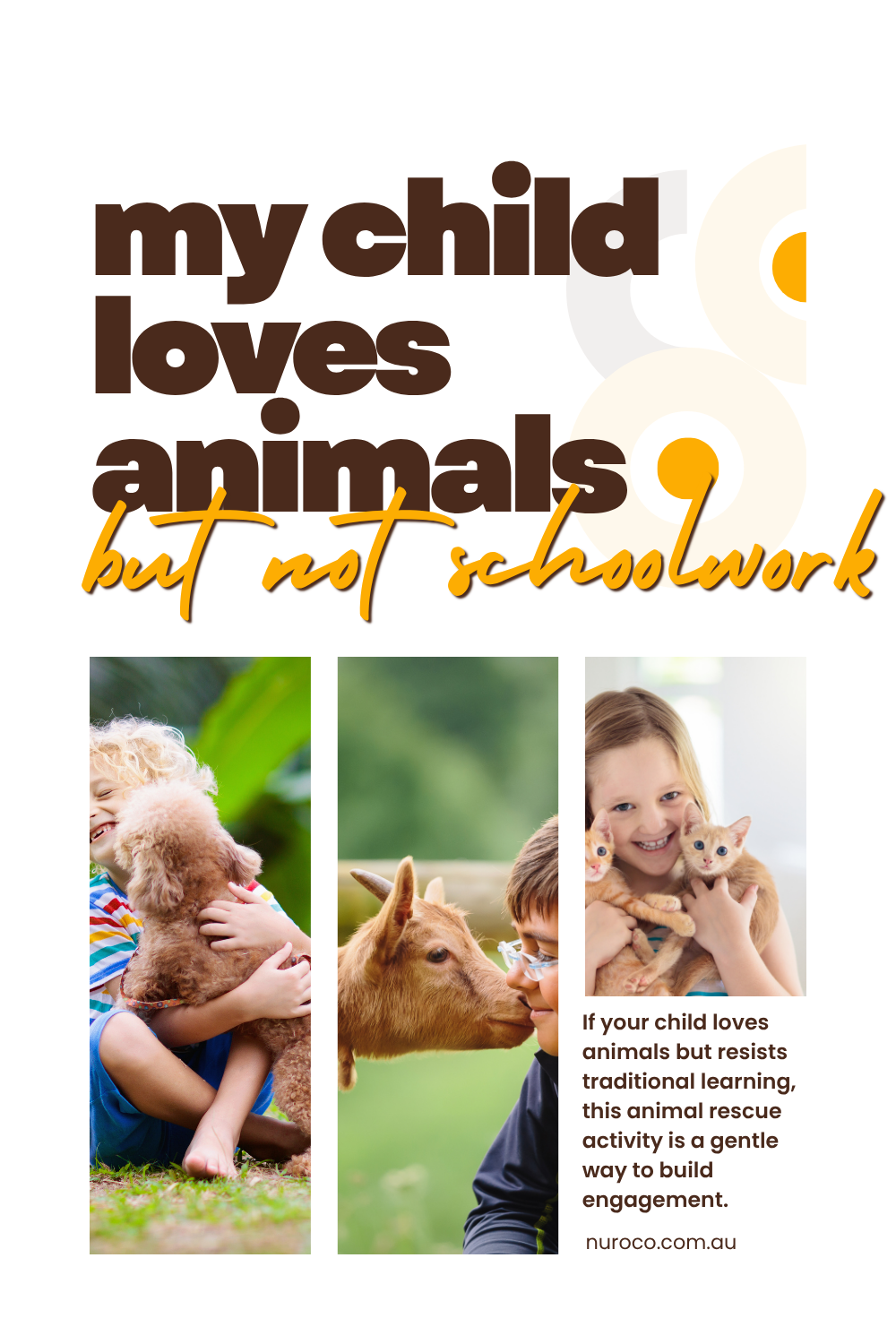
Some kids really connect with animals.
They notice things others miss. They care deeply. They have strong opinions about what animals need.
But those interests don’t always translate easily into learning activities.
This simple rescue idea gives them a way in.
Instead of being told what to learn, they step into a role — helping an animal that needs care — and start figuring things out from there.
The idea
Instead of researching animals in a traditional way, your child becomes part of a rescue centre.
A new animal arrives. They need to figure out how to care for it.
From there, the learning starts to build naturally.
How it works (at a glance)
This activity unfolds in a few simple steps:
choosing an animal to care for
thinking about what it needs to feel safe
creating a space where it can live
Each step can be done through drawing, building, talking, or imagining — whatever suits your learner best.
If you’d like this laid out for you, you can download the free activity pack today.
Why this works so well
Activities like this tend to “click” because they:
start with something familiar (animals)
give children a sense of purpose (caring for something)
allow flexible ways to respond (not just writing)
build thinking without forcing it
It often leads to deeper ideas than you’d expect — especially when children start considering things like safety, comfort, and environment.
A small glimpse
One part of the activity invites your child to design a safe space for their animal.
Some children draw detailed habitats. Others build something with Lego or create it digitally. Some prefer to describe it out loud.
There’s no single way to do it — and that’s part of why it works.
If you want to try it
You can absolutely start with this idea on your own.
But if you’d like something ready to use, I’ve put together a simple Animal Rescue mini project that walks you through it step by step.
It includes:
clear prompts to get started
flexible ways for your child to respond
a calm, low-pressure structure
So you don’t have to figure it all out yourself.
If your child enjoys it
This is just a starting point.
Some learners naturally want to keep going — expanding their ideas into a full rescue centre, creating care guides, or exploring real-world animal issues.
If that happens, it’s a sign you’ve found something that’s really working for them.
A note for parents
You don’t need to turn this into something formal.
Photos, quick conversations, or a short explanation of what your child created are more than enough to capture what’s happening.
What matters most is the thinking, the engagement, and the sense of ownership your child has.