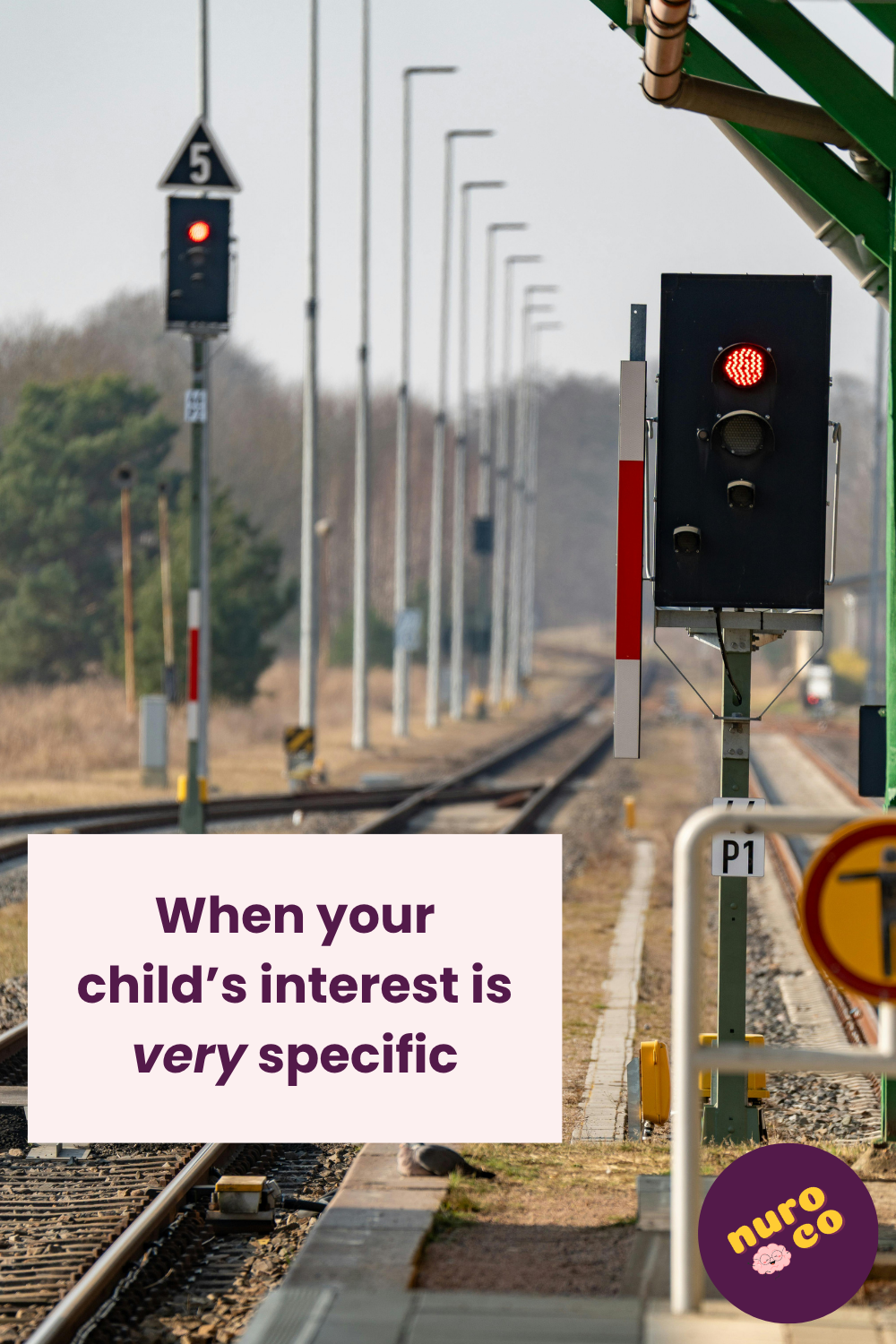
Where Learning Begins: Start with the Child, Not the Curriculum
One of the greatest gifts of homeschooling is that you don't have to begin in the same place as everyone else.
Schools are designed to teach groups of children. That often means starting with the same lesson, the same book or the same activity, then supporting learners in different ways along the journey.
Homeschooling offers something different.
It lets us begin with the child.
Curiosity gives learning somewhere to go
Children become fascinated by the most unexpected things. Birds, musicals, Minecraft…
Those interests can seem completely unrelated, but they all have something in common. They all give learning a purpose.
Reading has a purpose because there's something worth researching. Maths helps solve real problems.
Instead of trying to persuade children to engage with learning, we're building from a place where engagement already exists.
The interest isn't the destination
One of the biggest misconceptions about interest-led learning is that children only ever learn about their favourite topic.
An interest is simply the starting point.
A child fascinated by birds might begin noticing migration patterns, habitats and ecosystems. A fascination with baking might lead to chemistry, fractions, nutrition or food history.
You don't have to force it
One of the reassuring things about beginning with the child is that there's no pressure to manufacture an interest. You don't need to convince your learner to love ancient Egypt or space because somebody else says they should.
You don't need to turn every passing fascination into a term-long project either. Sometimes an interest lasts for years. Sometimes it's simply done.
When curiosity is still there, we can gently support it. When it has run its course, we can trust that something else will eventually take its place.
Looking a little more closely
Over the next few weeks I'm going to explore common places learning begins, because recognising where your child naturally comes alive can completely change the way you think about homeschooling.